Disclosure: This post may contain affiliate links. We may earn a small commission at no extra cost to you if you make a purchase through these links. Please read our full Disclaimer for more details.
Disclaimer: BeauUp’s content is purely for editorial and informational purposes. This guide is designed to help you manage the appearance of breakouts with over-the-counter (OTC) cosmetic products. Our site does not offer professional medical advice, diagnosis, or treatment. Always consult with a board-certified dermatologist regarding severe, painful, or persistent skin conditions.
It’s exhausting. You buy a new serum, cross your fingers, and wake up to a fresh cluster of congestion along your jawline. Navigating acne prone skin care often feels like an endless, frustrating cycle of trial and error. The reality? Achieving a visibly clearer, more radiant complexion doesn’t require a bathroom cabinet overflowing with harsh astringents. It requires strategy. If you want to know how to clear acne prone skin safely, you have to stop declaring war on your face. By shifting your focus from aggressively drying out your skin to gentle, consistent barrier management, you can completely transform how your complexion looks and feels. Here is exactly how to build the best skincare routine for acne-prone skin, step by step.
Understanding Breakouts: Why The Skin Barrier Matters
Before slapping on a treatment, you need to know what you are actually treating. Breakouts generally surface when pores become backed up with a perfect storm of excess sebum (oil), daily grime, and dead surface cells, which creates a breeding ground for acne-causing bacteria.
For decades, the beauty industry told us to scrub and strip that oil away. Big mistake. An impaired, dried-out skin barrier actually panics and produces more oil to compensate, worsening the cycle. Nourishing that barrier is your actual ticket to calmer-looking skin.
The Hero Ingredients for Managing Congestion
Not all active ingredients are created equal. When curating the best products for acne prone skin, you want OTC formulations that help clarify and manage the appearance of blemishes without triggering severe irritation.
- Hydrators (Hyaluronic Acid & Ceramides): Hydration is non-negotiable. Plump, hydrated skin simply heals and looks better.
- Salicylic Acid (BHA): The gold standard. Because it is oil-soluble, it can actually penetrate the pore lining to help dissolve trapped debris.
- Niacinamide: A multitasking powerhouse. It helps soothe visible redness and supports a more balanced look for oily complexions.
- Benzoyl Peroxide: A potent OTC drug ingredient. Excellent for targeting stubborn, angry-looking bumps by creating an oxygen-rich environment where bacteria struggle to survive.
The Morning (AM) Skincare Routine for Acne
Your morning skincare routine for acne should be entirely about defense. You want to prep your canvas and shield it from environmental stressors.
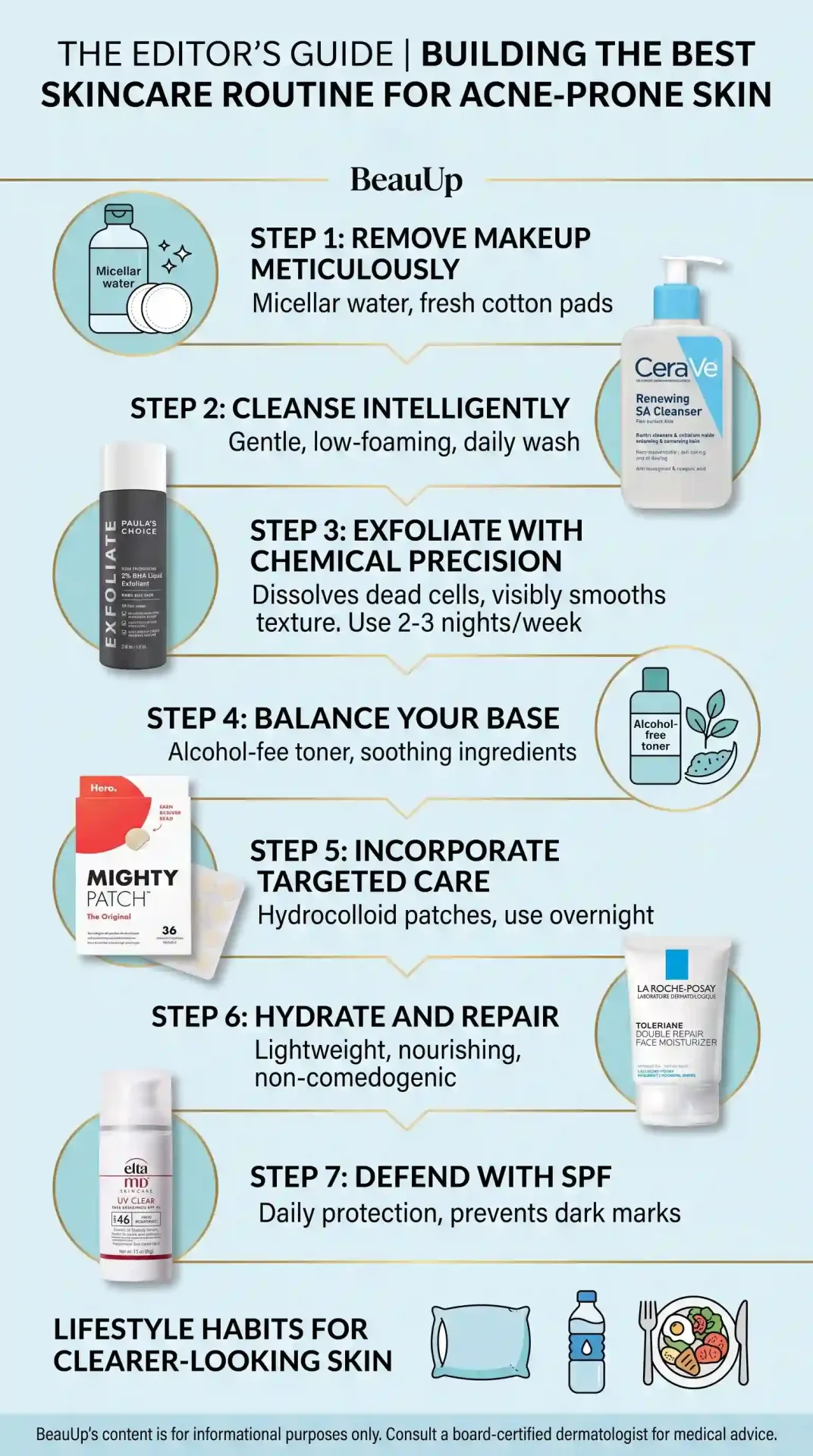
Step 1: Gentle Cleansing. Skip the tight, squeaky-clean finishes. They just signal a stripped barrier. Opt for a low-foaming, gentle wash to lightly remove overnight sweat and prep your face.
Step 2: Targeted Antioxidant Serum. Sweep on a soothing niacinamide or a gentle vitamin C serum. This helps defend against daily pollution while addressing the look of uneven skin tone.
Step 3: Hydration. Yes, oily skin needs moisture. Look for lightweight, non-comedogenic skincare that sinks in immediately.
Step 4: Broad-Spectrum SPF. UV exposure doesn’t “dry out” your breakouts. It actually damages the skin and causes post-blemish redness to darken into stubborn hyperpigmentation. Shielding your face daily with an oil-free, dedicated formula like the EltaMD UV Clear Face Sunscreen, SPF 46 helps protect the skin without contributing to new congestion. Reapply if you are spending the day outdoors.
The Evening (PM) Skincare Routine for Acne
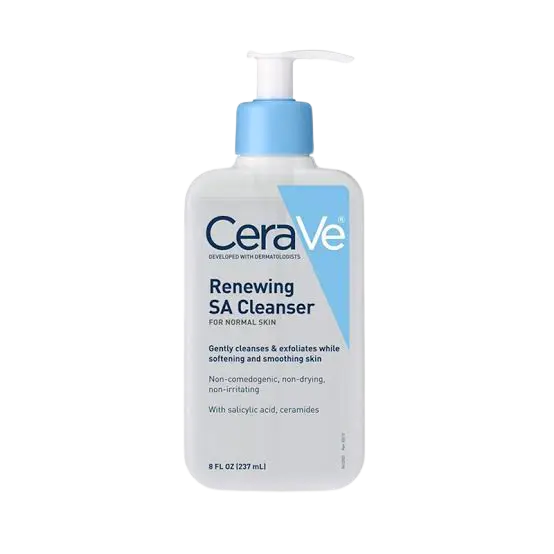
CeraVe Renewing SA Cleanser
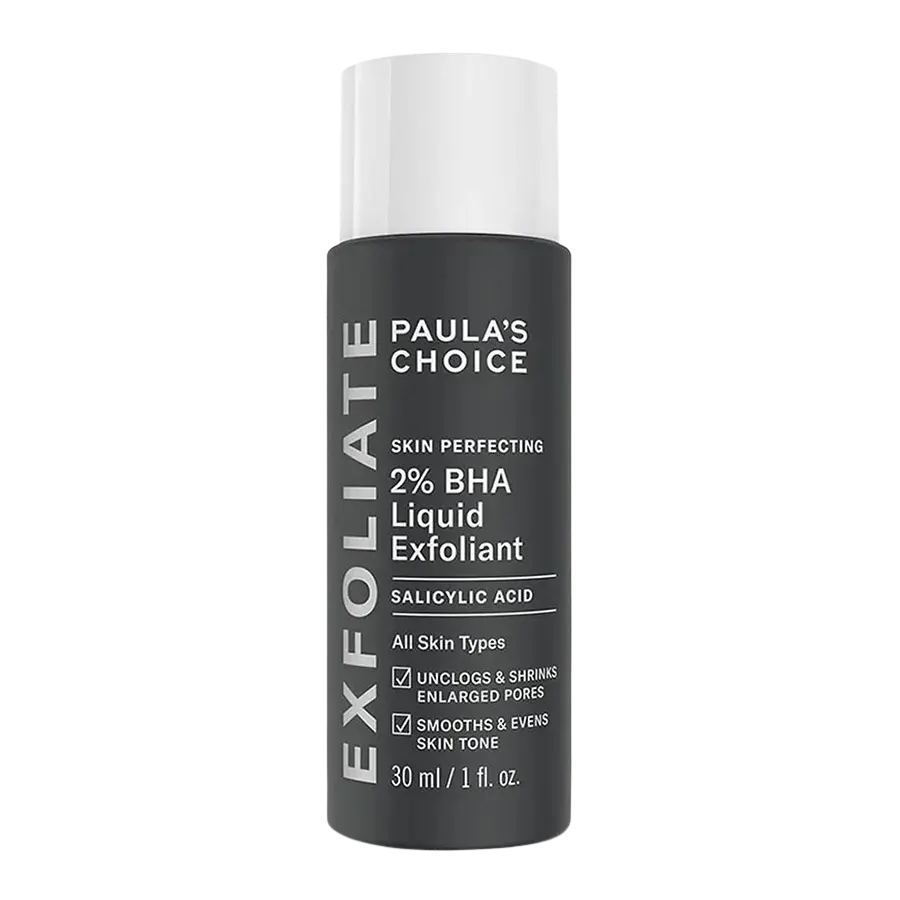
Paula’s Choice Skin Perfecting 2% BHA Liquid Exfoliant
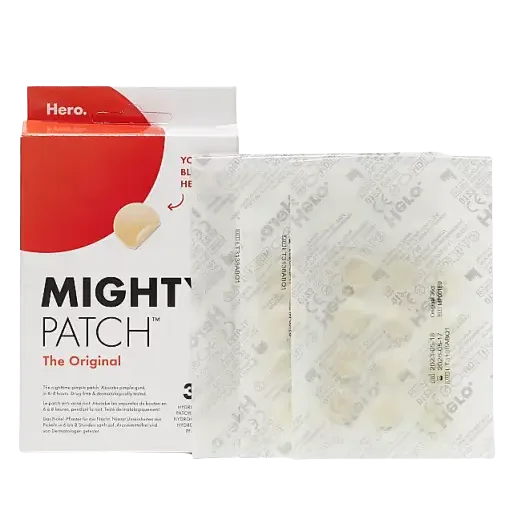
Hero Cosmetics Mighty Patch Original
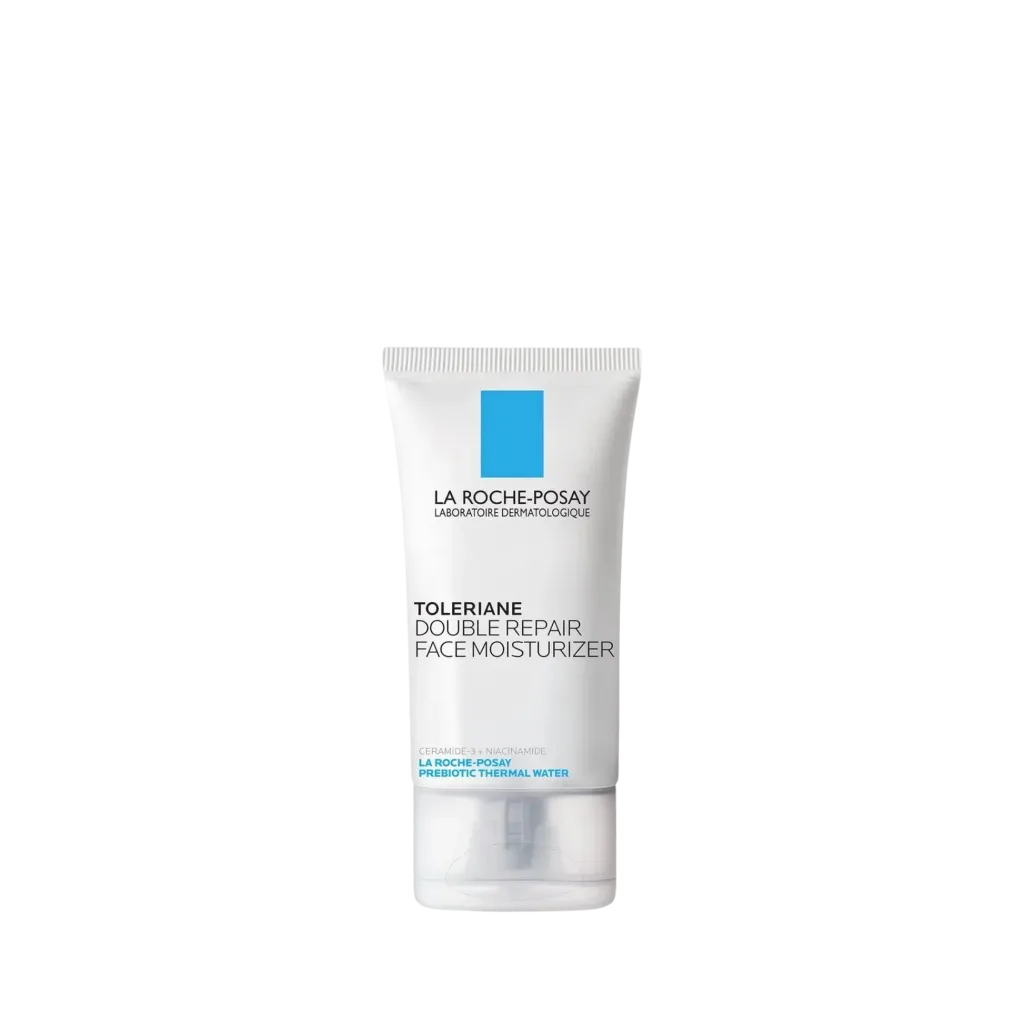
La Roche-Posay Toleriane Double Repair Face Moisturizer
The night skincare routine for acne is where the heavy lifting happens. This is your window for deep cleaning, targeted treatment, and serious barrier repair.
- Step 1: The Double Cleanse. Your routine means nothing if your canvas isn’t actually clean. Use a micellar water or a gentle cleansing balm to melt away your SPF and makeup.
- Step 2: The Second Cleanse. A proper wash is non-negotiable. To gently sweep away pore-clogging debris without stripping your moisture barrier, reaching for a gentle cleanser for acne like the CeraVe Renewing SA Cleanser can help visibly clarify your complexion daily. Massage a pea-sized amount over your face for sixty seconds before rinsing.
- Step 3: Chemical Exfoliation (Alternate Nights). Physical scrubs cause micro-tears. Instead, sweeping on the Paula’s Choice Skin Perfecting 2% BHA Liquid Exfoliant offers a highly sophisticated way to dissolve dead cells and visibly smooth texture. Aim for two to three nights a week. (Crucial Warning: Never use BHA/AHA exfoliants and Retinoids on the same night. Stagger them to avoid chemical burns).
- Step 4: Spot Treatment (As needed). Sometimes, an active blemish needs immediate attention. Rather than picking—which guarantees a scar—opt for hydrocolloid technology. Slapping a Hero Cosmetics Mighty Patch Original over an unexpected bump overnight often helps visibly shrink the spot by morning.
- Step 5: Barrier-Repairing Night Cream. Restoring your lipid barrier with a lightweight option like the La Roche-Posay Toleriane Double Repair Face Moisturizer provides the exact hydration necessary without feeling heavy or greasy, making it arguably the best moisturizer for acne prone skin on the drugstore market.
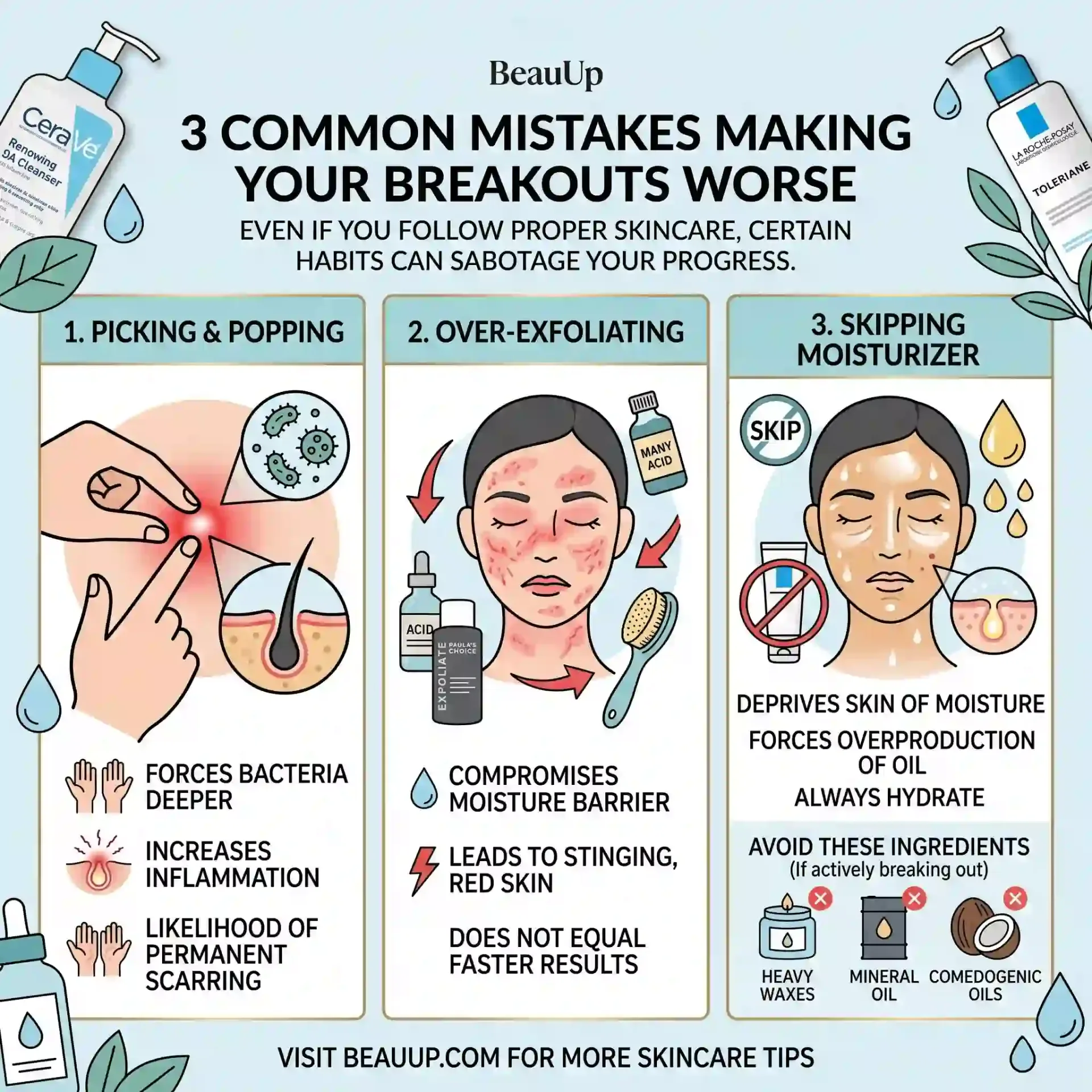
3 Common Mistakes Making Your Breakouts Worse
Even if you follow the proper steps for acne skincare, certain habits can sabotage your progress.
- Picking and Popping: Keep your hands off. Popping forces bacteria deeper into the follicle, increasing inflammation and the likelihood of permanent scarring.
- Over-Exfoliating: More acid does not equal faster results. It equals a compromised barrier and stinging, red skin.
- Skipping Moisturizer: Depriving your skin of moisture forces it to overproduce oil. Always hydrate. Wondering what ingredients to avoid for acne prone skin? Steer clear of heavy waxes, mineral oil, and highly comedogenic oils like coconut oil if you are actively breaking out.
Lifestyle Tweaks for a Visibly Clearer Complexion
Topical care is only half the battle. Your daily habits dictate how your skin behaves.
- Hygiene: Change your pillowcases weekly. Wipe down your smartphone screen daily. Stop resting your chin in your hands at your desk.
- Diet & Hydration: A balanced diet often reflects on your face. While sugar doesn’t spontaneously create a pimple, maintaining proper water intake and eating a balanced diet rich in antioxidants genuinely supports your skin’s overall health and elasticity.
When to See a Board-Certified Dermatologist
OTC cosmetics have their limits. If you are experiencing deep, painful, cystic bumps, noticing pitted scarring, or feeling severe emotional distress about your complexion, it is time to seek professional help. A doctor can prescribe targeted medications and design a dermatologist recommended acne routine tailored specifically to your biology. You will often find that dermatologist approved acne products work best when paired with professional guidance.
Frequently Asked Questions
How long does it take for an acne routine to work? Patience is key. The skin naturally renews itself every 28 days or so. Expect to wait a minimum of 4 to 8 weeks of consistent use before judging if a new routine is visibly improving your complexion.
Can I skip moisturizer if my skin is very oily? Absolutely not. Skipping hydration triggers your sebaceous glands to overproduce oil to compensate for the dryness, leading to an even greasier, more congested face by mid-day.
Is it normal to break out when starting a new routine? Yes. When you introduce active cell-communicating ingredients like BHAs or retinoids, your skin may experience “purging,” where hidden congestion surfaces quickly. This usually subsides within a few weeks.