Disclosure: This post may contain affiliate links. We may earn a small commission at no extra cost to you if you make a purchase through these links. Please read our full Disclaimer for more details.
It’s the ultimate skincare paradox. You buy a highly-rated hydrating serum, slather it on religiously, yet wake up with a complexion that feels visibly tighter and drier than before. If this frustrating scenario sounds familiar, you are likely experiencing hyaluronic acid reverse moisture loss. This famously popular ingredient is a genuine hydration powerhouse, but it demands very specific application rules to actually deliver those coveted, plumping benefits. In this guide, we break down exactly why your daily routine might be backfiring. You will learn the foolproof steps to properly prep, layer, and lock in your serums so you can finally achieve that deeply hydrated, dewy finish.
What Does Hyaluronic Acid Do for Your Complexion?
Ask any dermatologist what does hyaluronic acid do, and the answer is rooted in fundamental biology. In straightforward, FDA-compliant terms, it is a naturally occurring substance already present in your body that may help retain moisture and keep your complexion looking supple and hydrated.
Think of it as a microscopic sponge. In cosmetic chemistry, this ingredient acts as a powerful Humectant. That means its primary job is to grab onto water molecules and hold them tightly against the surface of your face. It doesn’t create moisture out of thin air; it simply binds to what is already available.
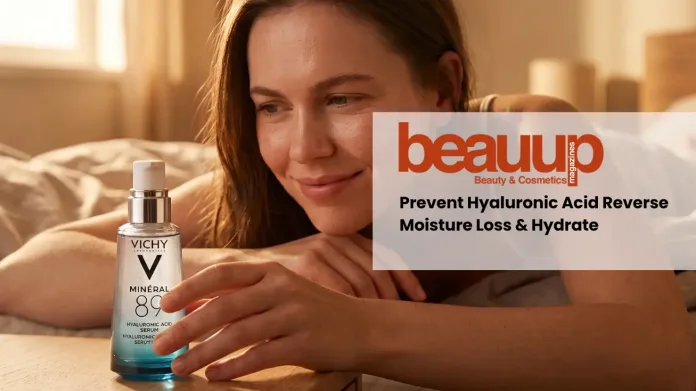
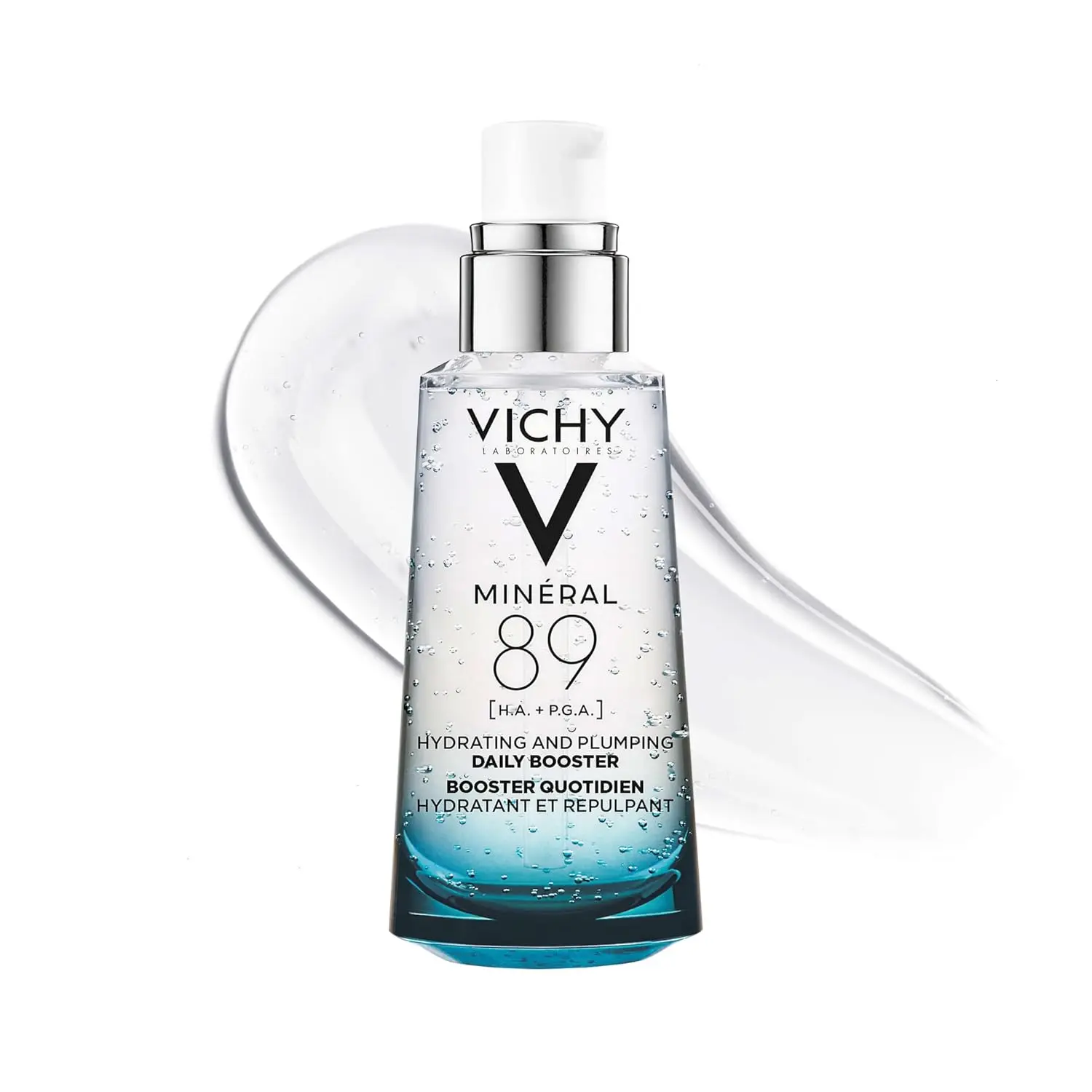
When you flip over your favorite bottle and scan the ingredient list, you might not see the exact words you are looking for. Brands frequently formulate their products with Sodium hyaluronate. This is the salt form of the molecule. Cosmetic chemists prefer it because it boasts a smaller molecular weight, allowing for better cosmetic elegance and a remarkably smooth application. If you are hunting for a beautifully streamlined formula that gets the job done without unnecessary fillers, pressing a few drops of Vichy Minéral 89 Hyaluronic Acid Serum into your face offers a clean, highly effective way to introduce this water-binding staple to your daily regimen.
Why Does Hyaluronic Acid Make My Skin Dry?
It sounds entirely counterintuitive. You are applying a liquid literally marketed as “moisture in a bottle.” So why does hyaluronic acid make my skin dry?
The answer lies in its very nature as a water magnet. Humectants are incredibly efficient, but they aren’t smart. They do not care where the water comes from; they simply look for the nearest available source of H2O. If you live in a low-humidity climate like the desert Southwest, or if you spend eight hours a day inside an artificially heated office, the air around you contains virtually zero moisture. Without a humid environment to pull water from, that microscopic sponge turns inward.
The Science of Transepidermal Water Loss
To really understand the mechanics at play here, we have to look briefly at how moisture evaporates. The technical term for water escaping from your face into the surrounding air is Transepidermal Water Loss / TEWL.
When the air is bone-dry, an unsealed humectant sitting on the surface of your face will frantically search for water. The direct result of transepidermal water loss hyaluronic acid style is that the serum begins drawing available hydration up to the very top layer of your complexion. Once it hits the surface? It rapidly evaporates into the dry room air. This process can leave your complexion looking visibly parched and feeling uncomfortably tight.
5 Common Hyaluronic Acid Mistakes You Might Be Making
Fixing a compromised routine starts with identifying the errors. Most people blame the product, but usually, user error is the real culprit. Let’s look at the most frequent hyaluronic acid mistakes that instantly derail a good regimen.
- Applying it to a bone-dry face. This is the ultimate cardinal sin of skincare. Putting a humectant on dry skin in a dry room is a guaranteed recipe for tightness.
- Skipping the final cream. Water-binders need a physical lid to trap them. Stopping your routine at the serum stage leaves that surface moisture completely vulnerable to the air.
- Ignoring your local climate. A minimalist routine that works beautifully in humid Miami will fail miserably in arid Denver. You have to adjust your application based on the weather outside and the heater inside.
- Applying it over facial oils. Layering matters. Water simply cannot penetrate oil. If you apply a watery serum over a heavy botanical oil, the humectant sits uselessly on top of the oil barrier and evaporates.
- Using way too much product. A few drops are entirely sufficient for the whole face. Slathering on a thick layer doesn’t equal more hydration; it just creates a sticky, peeling film that rolls off under makeup.
When you commit these errors, especially in tandem, you trigger the exact biological cascade we just discussed. The specific mechanics of this core issue lead directly to hyaluronic acid reverse moisture loss, effectively stripping your skin’s surface layers of the water they desperately need to remain visibly plump, bouncy, and radiant.
How to Prevent Hyaluronic Acid Reverse Moisture Loss
Let’s fix the problem. The overarching strategy to combat this frustrating phenomenon relies on three pillars: strategic layering, managing your immediate environment, and selecting the proper formulas.
Using hyaluronic acid for dehydrated skin is entirely possible—and highly effective—but these specific, intentional steps are essential to visibly improve those rough, parched textures.
First, control your immediate climate. If your indoor air is severely dry from aggressive winter heating systems or summer air conditioning, you need to put physical water back into your environment. Running a high-capacity, whisper-quiet device like the LEVOIT OasisMist Smart Humidifier in your bedroom overnight ensures there is ample ambient moisture in the air. This gives your skincare routine something external to pull from, rather than stealing available moisture from your own complexion while you sleep.
How to Apply Hyaluronic Acid the Right Way
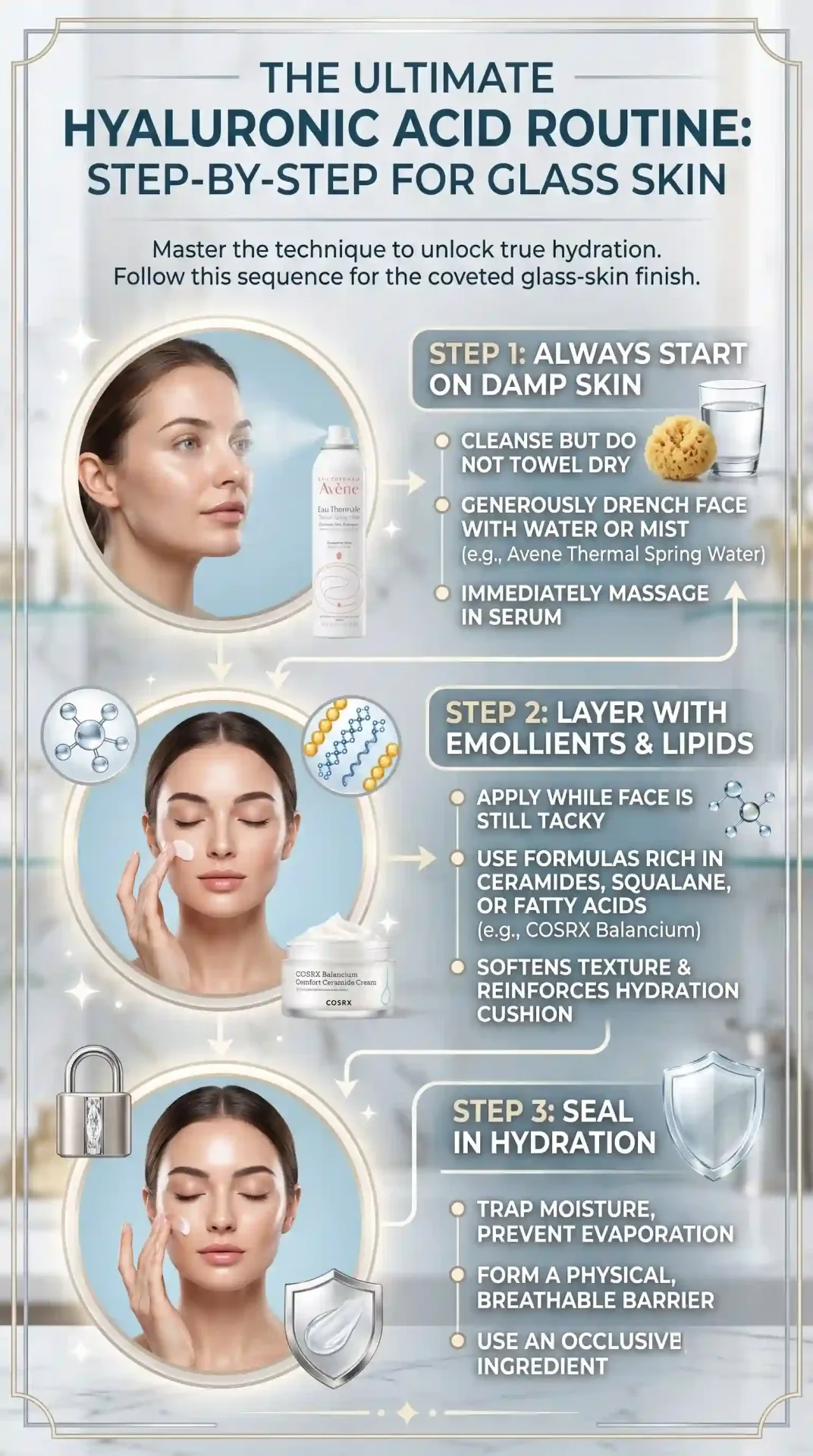
Technique is everything. Buying an expensive, beautifully formulated serum means very little if your application method is fundamentally flawed. If you want to know exactly how to apply hyaluronic acid to achieve that coveted, glass-skin finish, follow this sequence every single time you stand at your bathroom sink.
Step 1: Always Use Hyaluronic Acid on Damp Skin
This is the non-negotiable golden rule of modern aesthetics. You must put hyaluronic acid on damp skin.
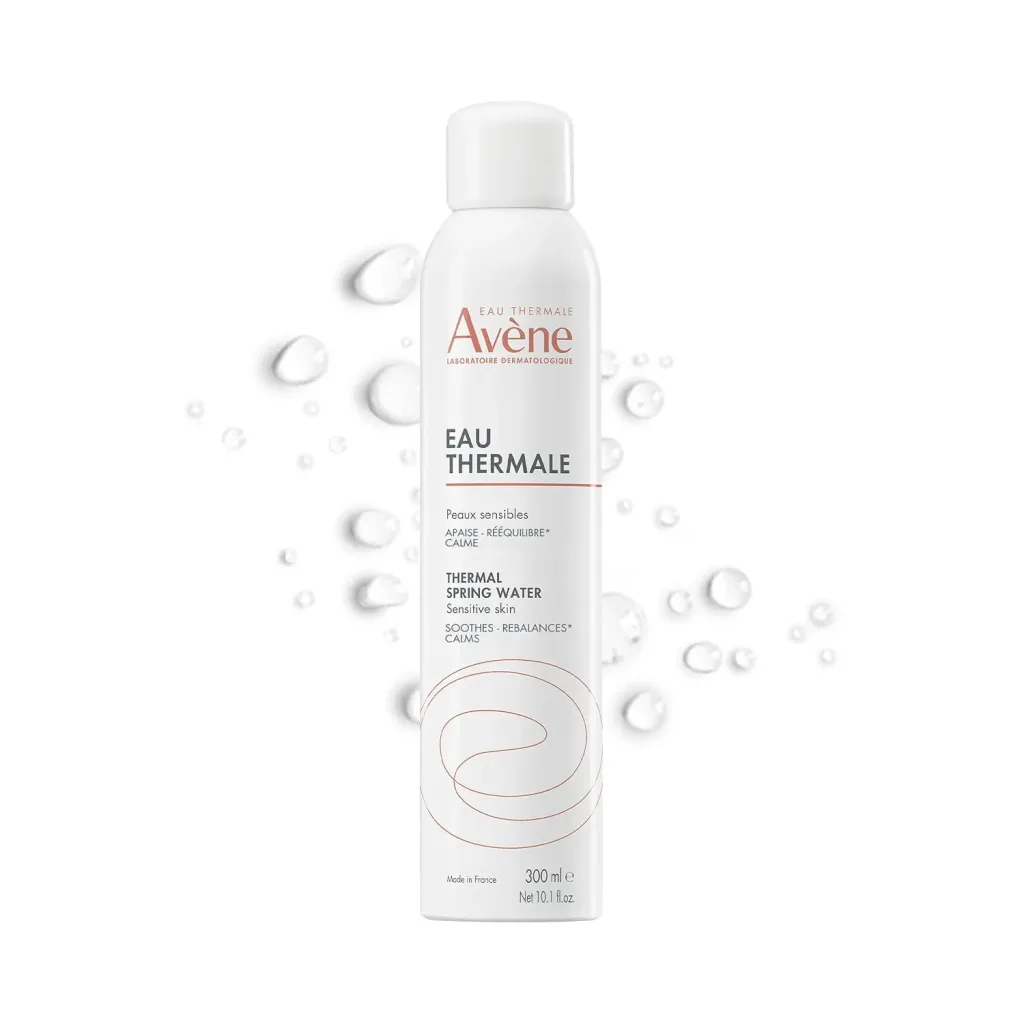
Remember the sponge analogy? You want to hand that thirsty sponge a glass of water right away. By providing a generous layer of surface moisture first, you give the active ingredient immediate water to grab onto. This instantly stops it from searching for hydration elsewhere. After cleansing, do not reach for a towel. Instead, generously drench your face with a mineral-rich option like Eau Thermale Avene Thermal Spring Water until your skin is visibly wet, and then immediately massage in your serum.
Eau Thermale Avene Thermal Spring Water
La Roche-Posay Toleriane Double Repair Face Moisturizer
COSRX Balancium Comfort Ceramide Cream
Step 2: What to Layer Over Hyaluronic Acid
Once the serum is patted in and your face is still slightly tacky, you need to move quickly. Deciding what to layer over hyaluronic acid dictates how well the rest of your routine will actually perform.
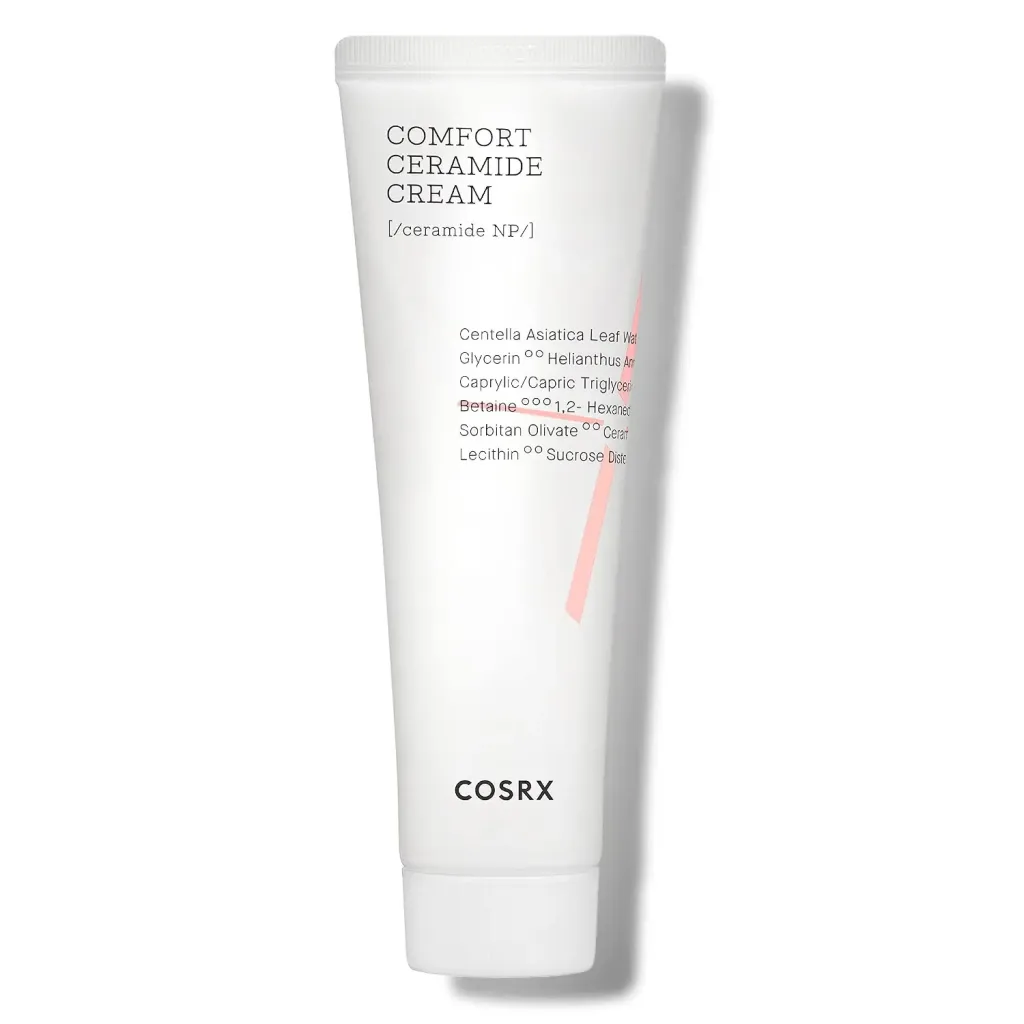
You want to reach for formulas rich in emollients and skin-identical lipids. Ingredients like ceramides, squalane, and fatty acids are absolutely perfect here. They soften the texture and reinforce the heavy lifting the serum just started. Adding a mid-weight hero product like COSRX Balancium Comfort Ceramide Cream offers brilliant compatibility. It provides a soothing, lipid-rich cushion that complements the watery hydration underneath perfectly.
Step 3: How to Seal in Hyaluronic Acid
The final puzzle piece is trapping that carefully curated hydration so it absolutely cannot evaporate into the surrounding air. Learning how to seal in hyaluronic acid is what separates a mediocre routine from a highly effective one.
You need an Occlusive ingredient. These are specific compounds formulated to form a physical, breathable barrier on the very top of your face. Think of it as throwing a heavy tarp over a wet sponge. The water is effectively blocked from escaping into the dry air above it.
Do You Use Moisturizer After Hyaluronic Acid?
Yes. Always, absolutely, without exception. If you are standing at your vanity asking yourself, do you use moisturizer after hyaluronic acid, the answer is a resounding, universal yes.
Your cream acts as the heavy lid to your serum’s sponge. Without that lid, the hydration is entirely fleeting. This precise combination of a watery humectant followed immediately by a richer cream is formulated to support and protect the outermost layer of your complexion.
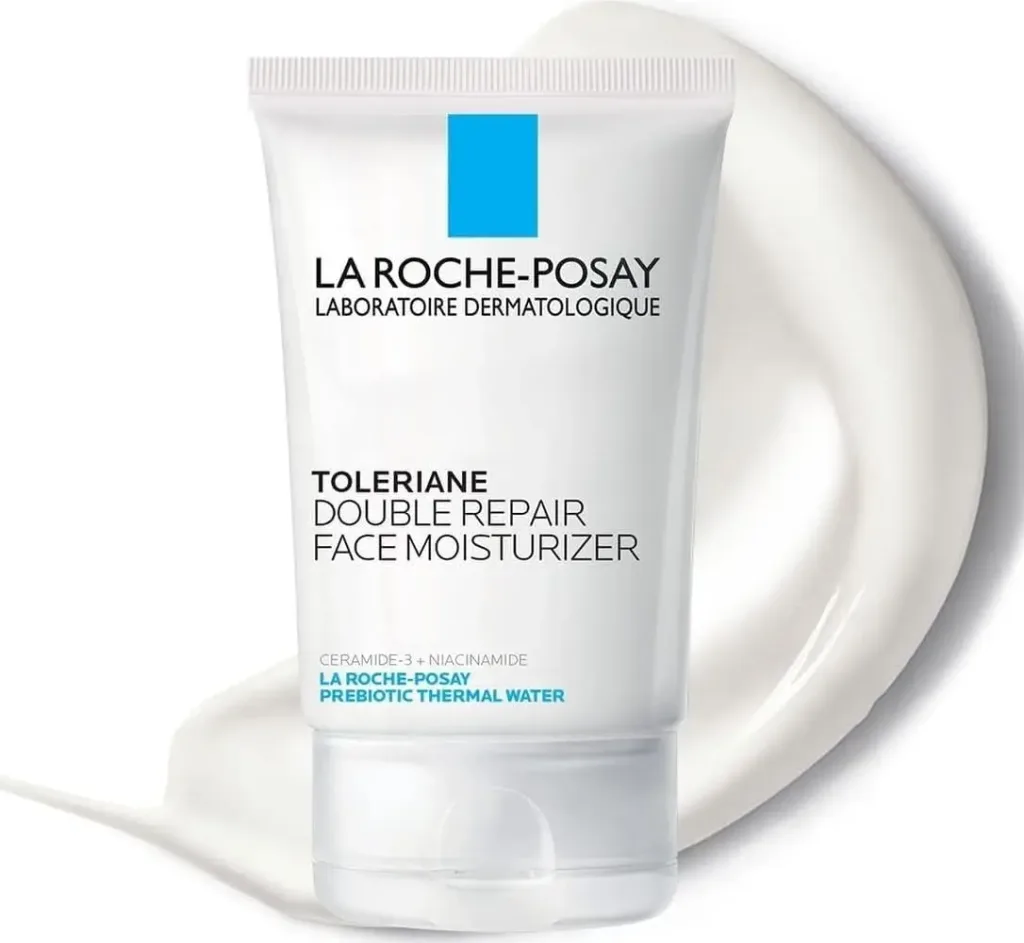
A strong, resilient Skin barrier is the ultimate goal of any hydrating routine. It keeps the good stuff in and the environmental aggressors out. Finishing your evening regimen with a trusted, deeply restorative formula like La Roche-Posay Toleriane Double Repair Face Moisturizer ensures that all the hydration your serums just gathered stays locked tightly in place for hours, leaving you with a beautifully smooth canvas by morning.
Conclusion
Achieving a plump, deeply hydrated complexion doesn’t require a degree in cosmetic chemistry. It just requires a solid, practical grasp of basic skincare mechanics. To recap the core takeaways: always apply your serums to a damp face, immediately seal them in with a robust moisturizer, and stay highly aware of your environmental humidity. By following these simple but incredibly strict protocols, you can effectively stop hyaluronic acid reverse moisture loss in its tracks. You hold the power to dictate how your products behave on your face. Now it’s your turn to audit your routine. Drop a comment below and tell us about your absolute favorite hydrating products, or share this guide with a friend who might be struggling with unexpected winter dryness.