Disclosure: This post may contain affiliate links. We may earn a small commission at no extra cost to you if you make a purchase through these links. Please read our full Disclaimer for more details.
Starting a potent active ingredient often comes with a silent worry: dry, peeling skin. Nobody wants a compromised barrier just in pursuit of a glow. But the truth is, you do not have to trade comfort for results. Figuring out how to use retinol and hyaluronic acid together completely changes how nighttime routines work. Enter the sandwich method. This smart layering trick cushions the skin against harshness while pushing active ingredients to perform better. It remains the smartest way to tap into high-performance skincare without the dreaded adjustment downtime.
Why Using Retinol and Hyaluronic Acid Together Works
People ask constantly: can you mix retinol and hyaluronic acid? The short answer is yes. To see why this pairing works so well, look at what each component brings to the table.
Retinol pushes cell turnover forward, clearing away surface dullness to reveal a fresher skin texture. That active renewal process, however, tends to pull moisture away from the upper layers, which sparks temporary flaking or tightness. That is exactly where the humectant steps in. Hyaluronic acid pulls water straight into the skin, acting as a deep reservoir of hydration.
When skincare fans ask, can you mix retinol with hyaluronic acid, they usually worry about the formulas fighting each other. They actually balance one another out. A proper hyaluronic acid mix with retinol builds a moisture buffer. Mastering how to use retinol and hyaluronic acid together means you get the smoothing power of Vitamin A without sacrificing your skin barrier’s comfort.
Step-by-Step: How to Use Hyaluronic Acid and Retinol Together
The secret to the sandwich method lives entirely in the order of operations. If you are wondering: can i use retinol and hyaluronic acid together in one routine? Absolutely. Follow this exact sequence.
Step 1: Cleanse and Prep for Hydration
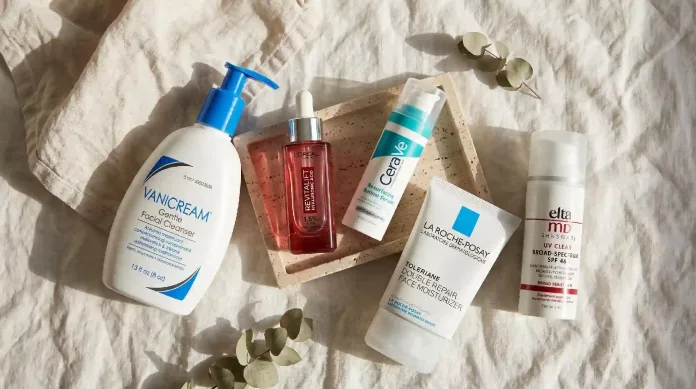
Every solid evening routine starts with a clean slate. Washing with a stripping cleanser ruins the skin’s defense before active products even touch your face. Gentle prep matters. Melt away daily buildup using a pH-balanced wash like the Vanicream Gentle Facial Cleanser to keep essential lipids intact. Pat your face dry with a soft towel, leaving it damp.
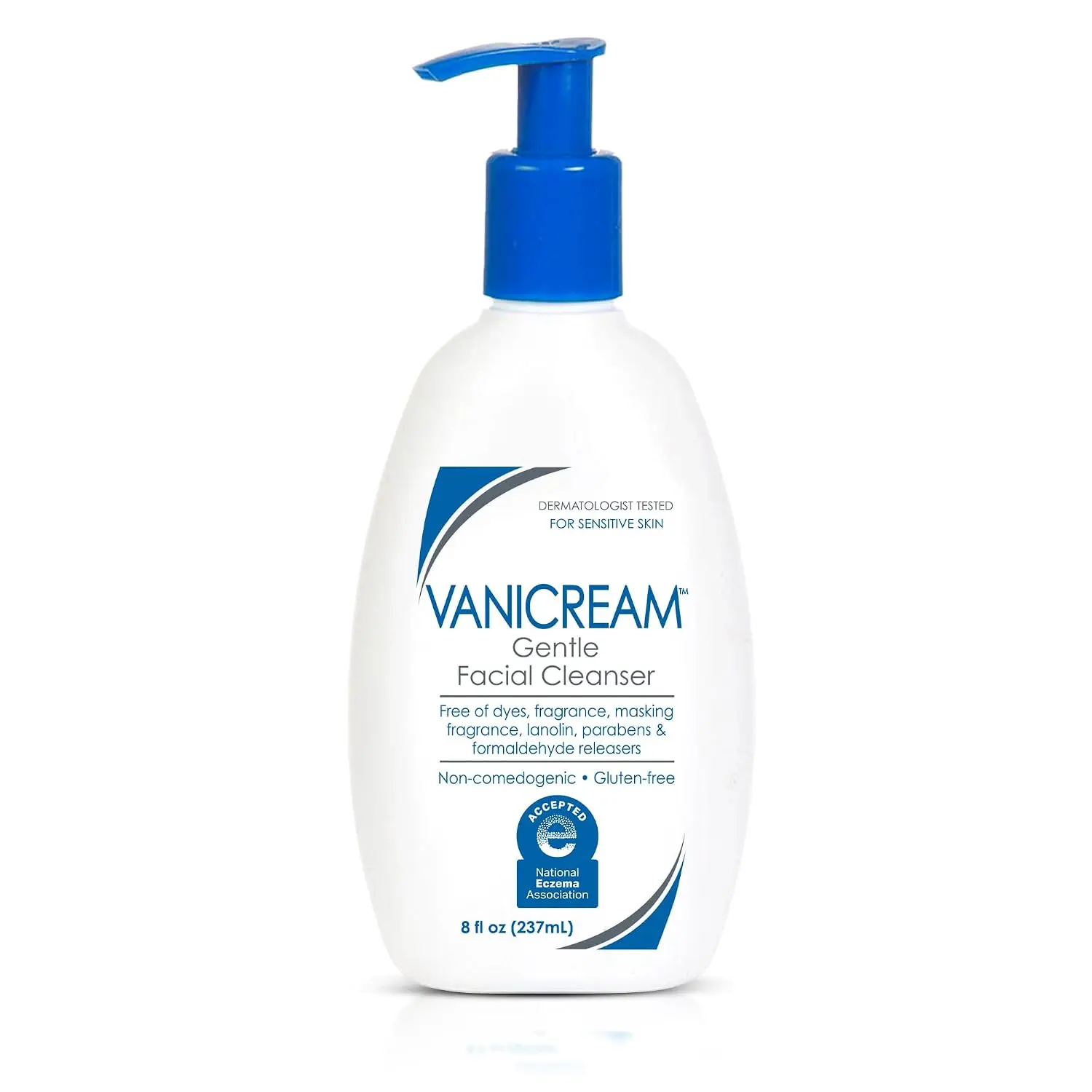
Vanicream Gentle Facial Cleanser
A pH-balanced wash that melts away daily buildup while keeping essential lipids and skin defenses intact.
Step 2: The First Hydration Layer (Hyaluronic Acid)
Timing dictates everything here. Put your humectant on while the skin stays damp. This locks lingering water molecules right into the surface, priming your skin barrier for what comes next. Anyone asking can i use hyaluronic acid and retinol together will find this initial moisture layer is what makes the whole technique work. Smooth a lightweight formula like the L’Oreal Paris Revitalift 1.5% Pure Hyaluronic Acid Serum across the face for an instant plumping effect. Let it dry completely.
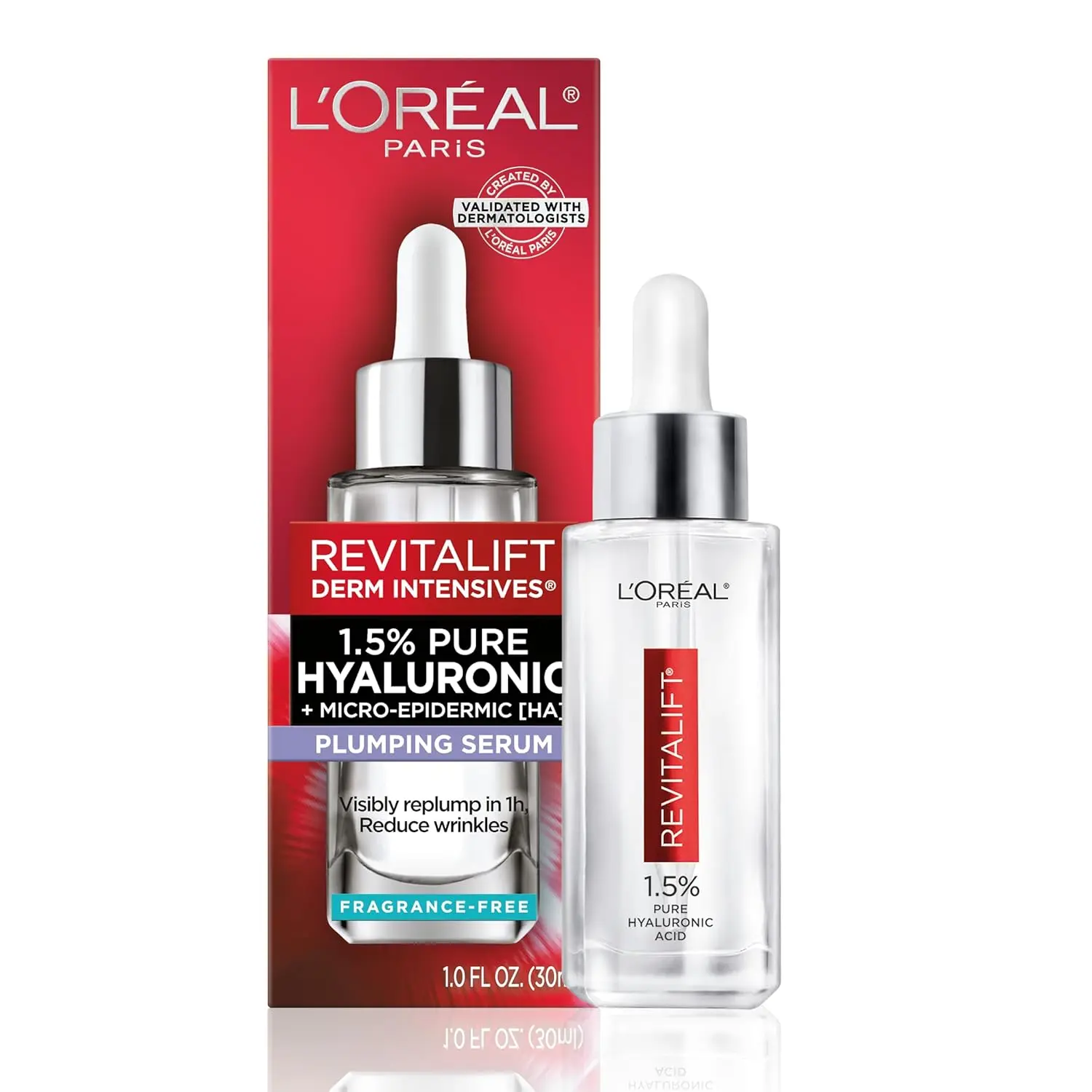
L’Oreal Paris Revitalift 1.5% Pure Hyaluronic Acid Serum
A lightweight formula that locks in moisture on damp skin, primes the skin barrier, and delivers an instant plumping effect.
Step 3: Apply Your Retinol Product
Patience pays off in this phase. Wait for that initial hydration layer to dry down fully. Slapping active Vitamin A onto wet skin speeds up penetration too aggressively, triggering avoidable irritation. Once dry, dispense a pea-sized amount. Using retinol and hyaluronic acid together in this precise order creates a safe environment for active renewal. Beginners do well starting with a buffered option like the CeraVe Resurfacing Retinol Serum to encourage surface turnover gently. Keep it away from the thin skin right around the eyes and corners of the mouth.
Step 4: The Final Moisture Seal
The sandwich is nearly done. You laid down your hydration base, applied the active center, and now you need a top seal to lock it all in. Figuring out how to layer retinol and hyaluronic acid wraps up with an occlusive finish. This final step traps everything underneath, stopping overnight moisture loss. Smooth a comforting cream like the La Roche-Posay Toleriane Double Repair Face Moisturizer over the skin to reinforce your lipid barrier.

CeraVe Resurfacing Retinol Serum
A buffered option designed to encourage surface turnover gently while supporting skin comfort.
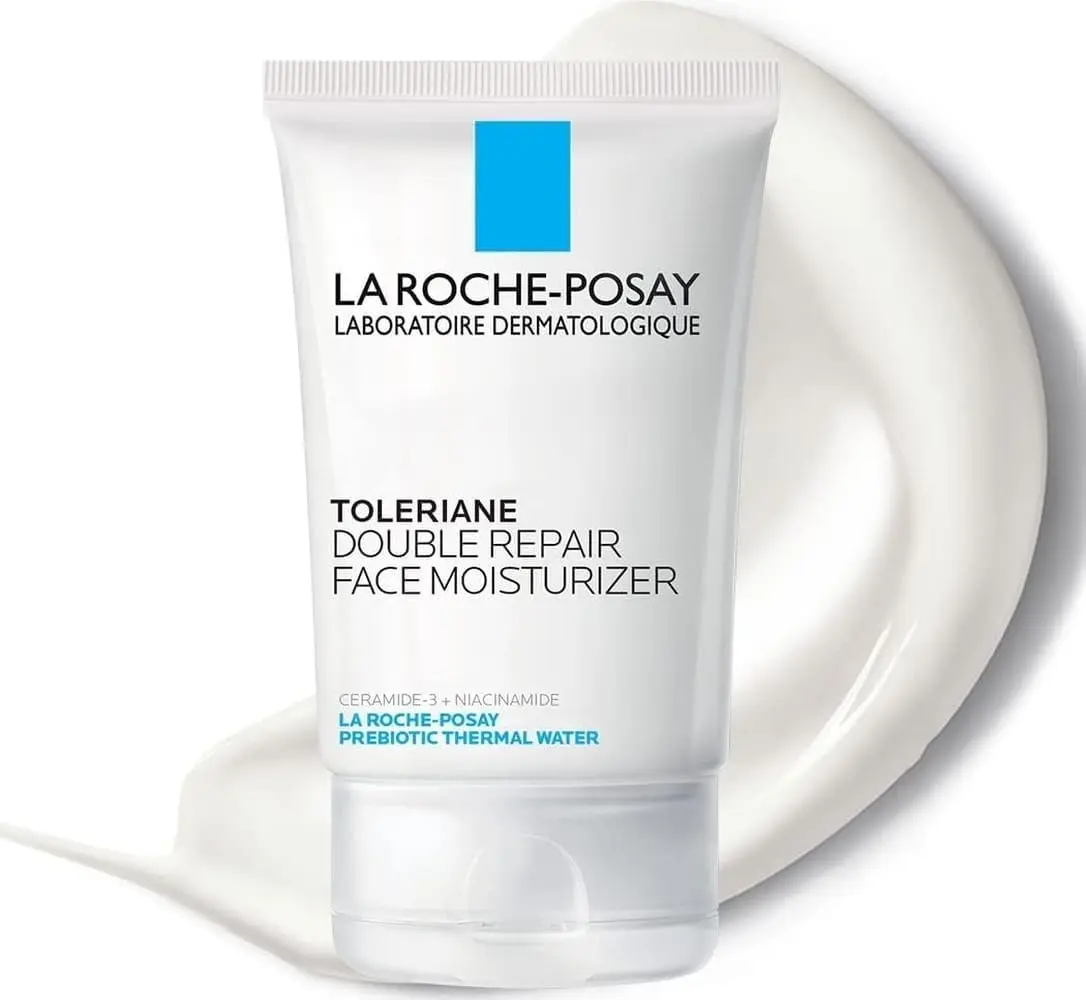
La Roche-Posay Toleriane Double Repair Face Moisturizer
A comforting cream that locks in hydration, stops overnight moisture loss, and reinforces the lipid barrier.
Frequently Asked Questions on Mixing Retinol and Hyaluronic Acid
Active ingredients always raise practical questions. Let’s clear up the confusion around this specific pairing.
Can I mix hyaluronic acid with retinol in the palm of my hand?
Clients often ask, can you mix retinol and hyaluronic acid right in your hand to save a step? Or, can i mix hyaluronic acid with retinol into one single application? While fast, physical mixing doesn’t work as well as sequential layering. Skincare formulas are engineered for specific pH levels and absorption rates. Blending them into a single puddle alters how each ingredient behaves. Applying hyaluronic and retinol together through distinct layers guarantees each product performs correctly.
Can hyaluronic acid be used with retinol every night?
Can you use hyaluronic acid and retinol together safely every single evening? The humectant handles daily use effortlessly, but the active retinoid needs a slow introduction. Can you mix hyaluronic acid and retinol together daily right out of the gate? Probably not. Skin cycling offers a safer route. Try the sandwich method two nights a week first. Watch how your skin reacts. Increasing frequency slowly builds up tolerance for a radiant finish. Asking can i mix retinol and hyaluronic acid every night is normal, but respecting your skin’s limits yields better skin.
Conclusion: Perfecting Your Nighttime Skincare Routine
Getting a smoother, more radiant look doesn’t mean enduring raw flakes or irritation. The magic of this layering trick is its built-in safety net. Having retinol mixed with hyaluronic acid—applied in the correct, buffered sequence—delivers high performance without the stress.
Patience drives progress when introducing active formulas to your routine. Take it slow, stick to the sequence, and protect your skin the next morning with a reliable SPF like the EltaMD UV Clear Face Sunscreen, SPF 46. Mastering how to use retinol and hyaluronic acid together gives you a smarter, sustainable path to clearer skin.
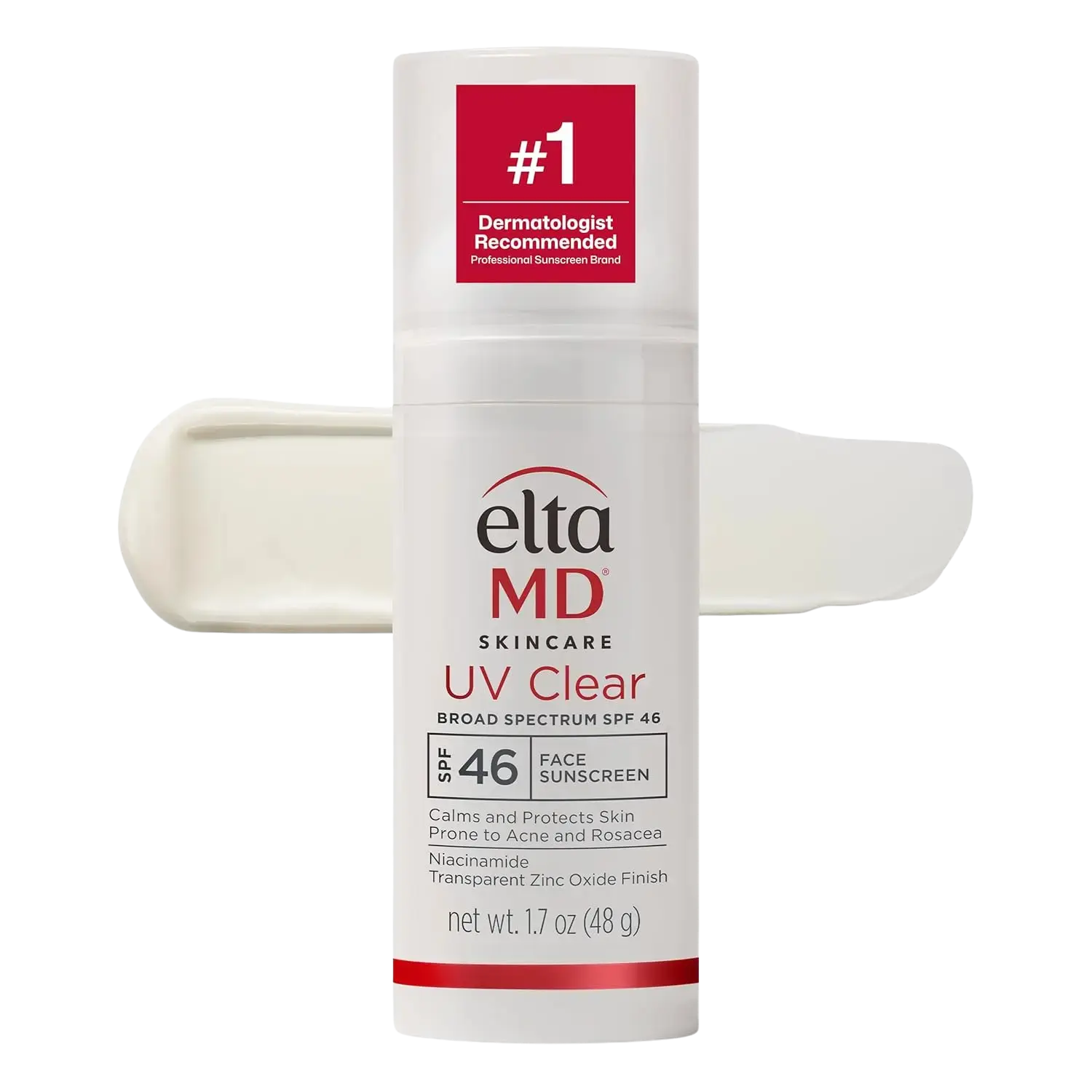
EltaMD UV Clear Face Sunscreen, SPF 46
A reliable, oil-free SPF formula designed to protect sensitive skin the morning after active treatments without leaving a heavy feel.