Disclosure: This post may contain affiliate links. We may earn a small commission at no extra cost to you if you make a purchase through these links. Please read our full Disclaimer for more details.
Can i use vitamin c and retinol together without irritation? Most people can, as long as they keep the two ingredients on opposite sides of the day. Vitamin C works best as a morning antioxidant that supports brighter-looking skin. Retinol belongs at night, where it can help refine texture while skin rests. Combine them in one application and sensitivity risk rises for many users. Split them by time of day and the routine usually stays manageable. Start with lower frequency and adjust based on how your skin responds.
Can You Mix Retinol and Vitamin C? Key Facts You Should Know
Can you mix retinol and vitamin c in one routine? Yes when you apply them hours apart. Vitamin C prefers a lower pH and daytime conditions. Retinol formulas typically sit at a higher pH and perform better overnight. Individual responses differ—some skin tolerates both daily while other skin needs recovery nights. Can you combine vitamin c and retinol effectively? The majority of users see better results and fewer complaints once they stop forcing the ingredients into the same step.
The two act differently. Vitamin C is an antioxidant that works best on clean, slightly acidic skin in daylight hours. Retinol is a vitamin A derivative that supports cell turnover and is typically applied at night. Individual skin responses may vary—some tolerate both daily, others need extra recovery days. For a broader view of which actives clash and which pair well, check our skincare ingredient conflict chart.
Understanding Vitamin C and Its Typical Role in a Routine
Vitamin C delivers antioxidant support and may help skin look brighter and more even with consistent use. Most people apply it in the morning so it can work alongside sunscreen. Can you mix vitamin c with retinol in the same sitting? The different pH levels often make that combination less stable and more likely to irritate. Keep vitamin C in the daytime window for cleaner results.
Understanding Retinol and How It Is Commonly Used
Retinol supports the appearance of smoother texture and is almost always an evening product. Many users experience a short adjustment period of dryness or mild flaking while skin adapts. That is why evening application works better—no sunlight interference and natural repair processes are already active. Mix retinol and vitamin c at the same time and that adjustment phase can become more noticeable. Separating them keeps the process gentler for most people.
The Morning vs. Night Rule for Better Compatibility
The practical approach is straightforward: vitamin C after your morning cleanse, retinol in the evening routine. This separation may lower irritation risk by preventing direct contact and letting each ingredient function under better conditions. Can you mix retinol with vitamin c if a product already combines low percentages? A few well-formulated options exist, yet the classic split remains the most predictable method for the average user.
Why Many Prefer Vitamin C in the Morning
Morning application lets vitamin C act as an antioxidant layer before environmental exposure begins. Consistent use may support a brighter-looking complexion when paired with broad-spectrum sunscreen. Can you mix vitamin c and retinol first thing in the day? Skip that step. Apply the serum to clean skin, allow it to absorb, then follow with moisturizer and SPF.
Why Retinol Is Often Reserved for Nighttime
Nighttime use avoids photosensitivity concerns. Retinol is formulated to support the appearance of skin renewal over weeks and months; evening application simply matches the skin’s natural rhythm. Mix retinol with vitamin c right before bed and absorption can become uneven or dryness can increase. A focused night routine produces cleaner results for most people.
How to Use Vitamin C and Retinol Together in One Routine
Use vitamin c and retinol together by assigning each ingredient its own half of the day and building frequency gradually. Can i mix vitamin c with retinol on the same night? Only if the product was specifically designed for combined use; otherwise stick to the split. Begin with vitamin C every morning and retinol two or three nights per week. Increase only after skin shows clear tolerance.
A widely reviewed morning option that many find easy to layer is TruSkin Vitamin C Serum, which combines vitamin C with hyaluronic acid for quick absorption and a brighter appearance without heaviness. For a dermatologist-developed formula that includes ceramides to support the barrier, CeraVe Skin Renewing Vitamin C Serum sits cleanly under sunscreen and works well for daily use.
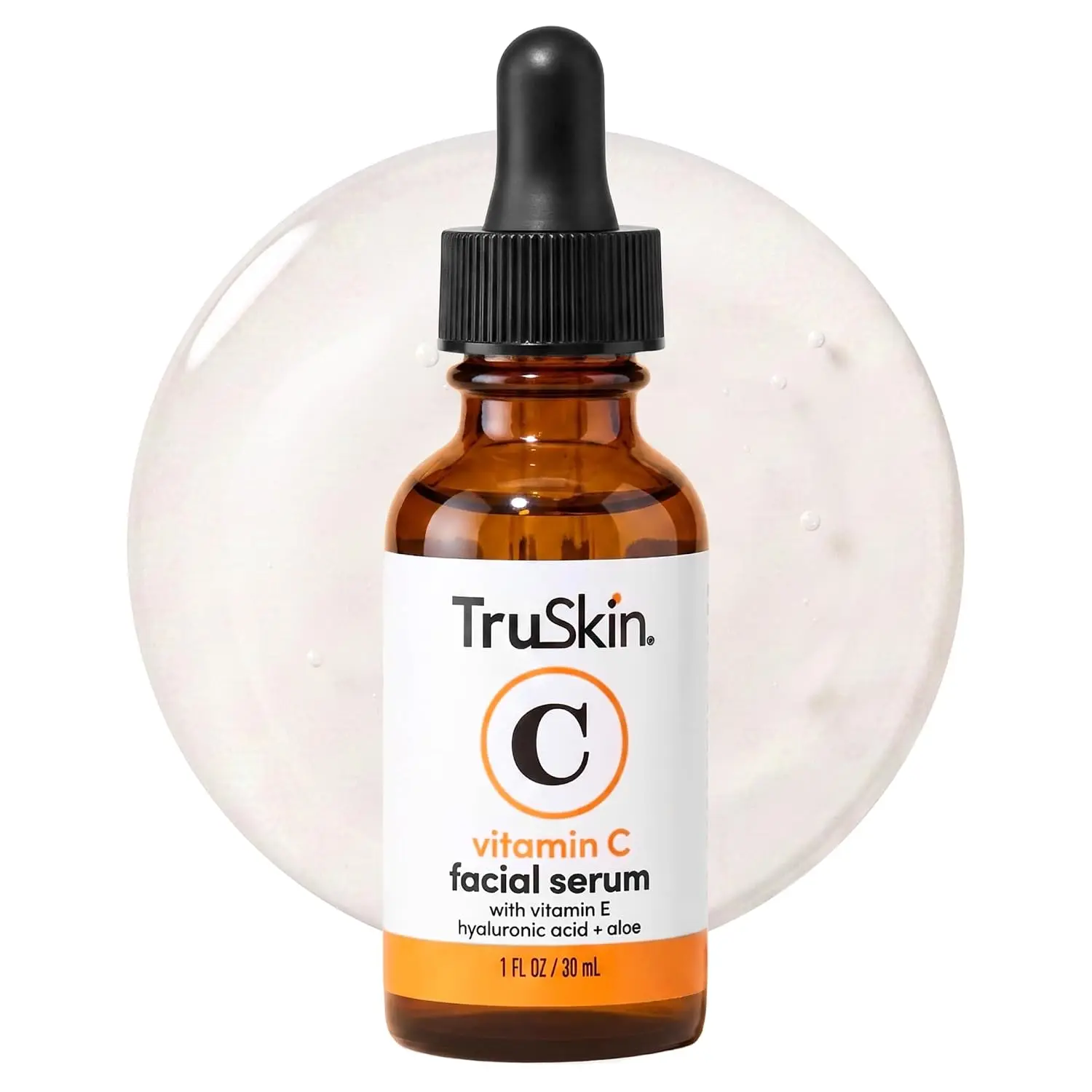
TruSkin Vitamin C Serum
Combines vitamin C with hyaluronic acid for quick absorption and a brighter appearance without heaviness.
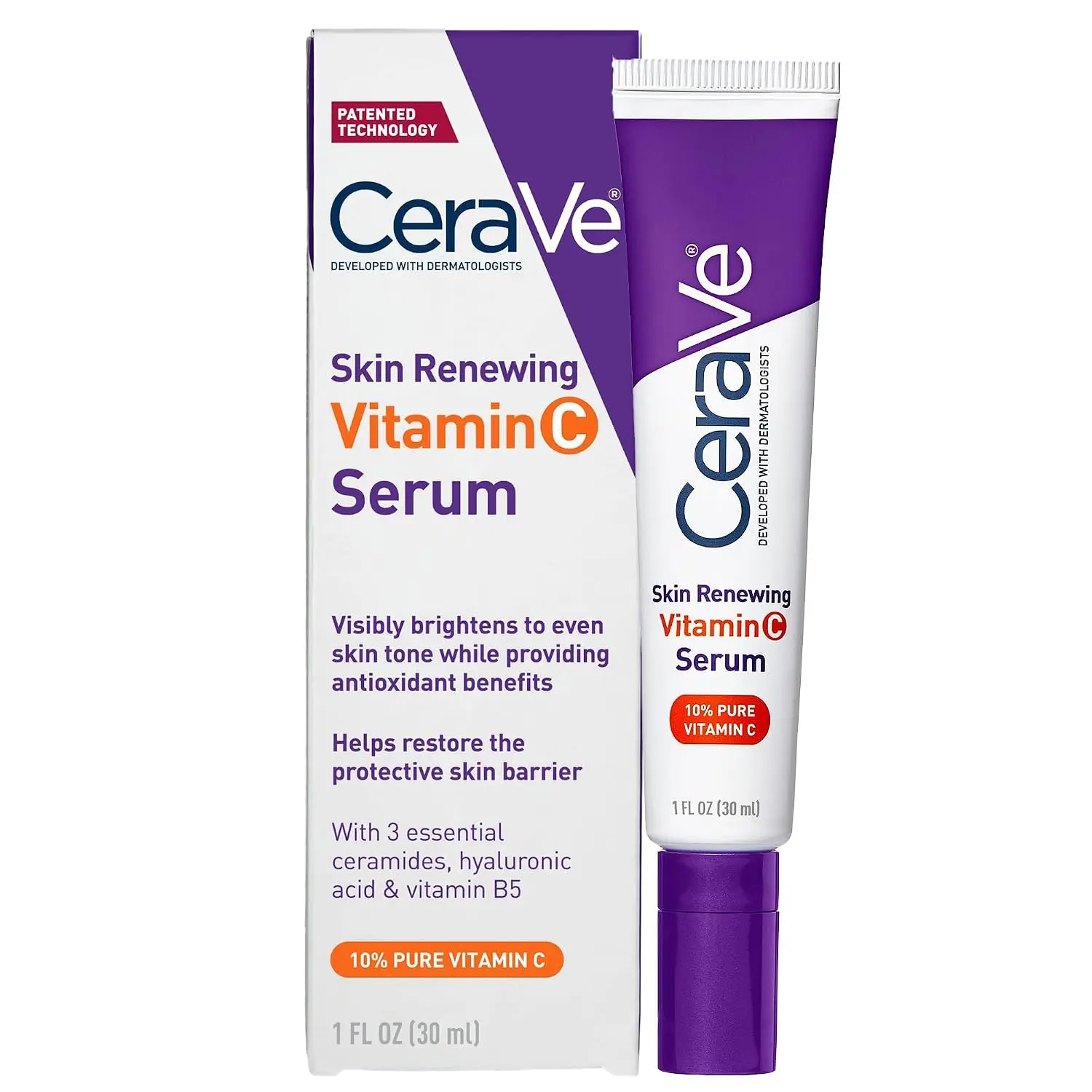
CeraVe Skin Renewing Vitamin C Serum
Dermatologist-developed formula including ceramides to support the barrier; sits cleanly under sunscreen.
Suggested Morning Steps
Cleanse, apply vitamin C serum to dry skin, follow with moisturizer if needed, then finish with sunscreen. Vitamin c and retinol mix has no place in this sequence. The full morning stack stays short once it becomes routine.
Suggested Evening Steps
Cleanse, apply retinol, then seal with moisturizer. Can you use retinol and vitamin c together here? No need. Keep the night routine simple so the retinol can work without competing ingredients.
Potential Sensitivity and Ways to Minimize Discomfort
Temporary dryness or mild redness appears for many people when either ingredient is new. Buffer retinol with moisturizer, drop frequency, or apply it over a light layer of lotion to ease the transition. Tolerance and visible changes vary widely. Vitamin c and retinol mixed together in one application tends to stress sensitive skin more than the staggered approach. Using vitamin c and retinol together on separate schedules keeps most users more comfortable.
When to Pause or Adjust
Stop both products if stinging, lasting redness, or heavy flaking develops. Focus on barrier support for several days. Consult a dermatologist if irritation persists. Can you use vitamin c serum and retinol together again after skin calms? Yes—reintroduce one product at a time at reduced frequency.
What to Look for When Choosing Products
Stable vitamin C serums commonly contain 10–20% L-ascorbic acid or gentler derivatives and come in opaque or airless packaging. Retinol products range from 0.1% to 1%; lower strengths suit beginners. Retinol and vitamin c mix performs best when each formula remains stable on its own and the two are applied hours apart. Retinol mixed with vitamin c inside a single bottle can work in carefully engineered products, yet most users still prefer separate application for better control.
A gentle encapsulated retinol many people tolerate well is CeraVe Resurfacing Retinol Serum, which includes niacinamide and ceramides to help skin stay comfortable while texture improves. Those who want a simple higher-strength option often choose The Ordinary Retinol 1% in Squalane because the squalane base makes it easy to adjust how often you use it.

CeraVe Resurfacing Retinol Serum
A gentle encapsulated retinol featuring niacinamide and ceramides to help skin stay comfortable while texture improves.
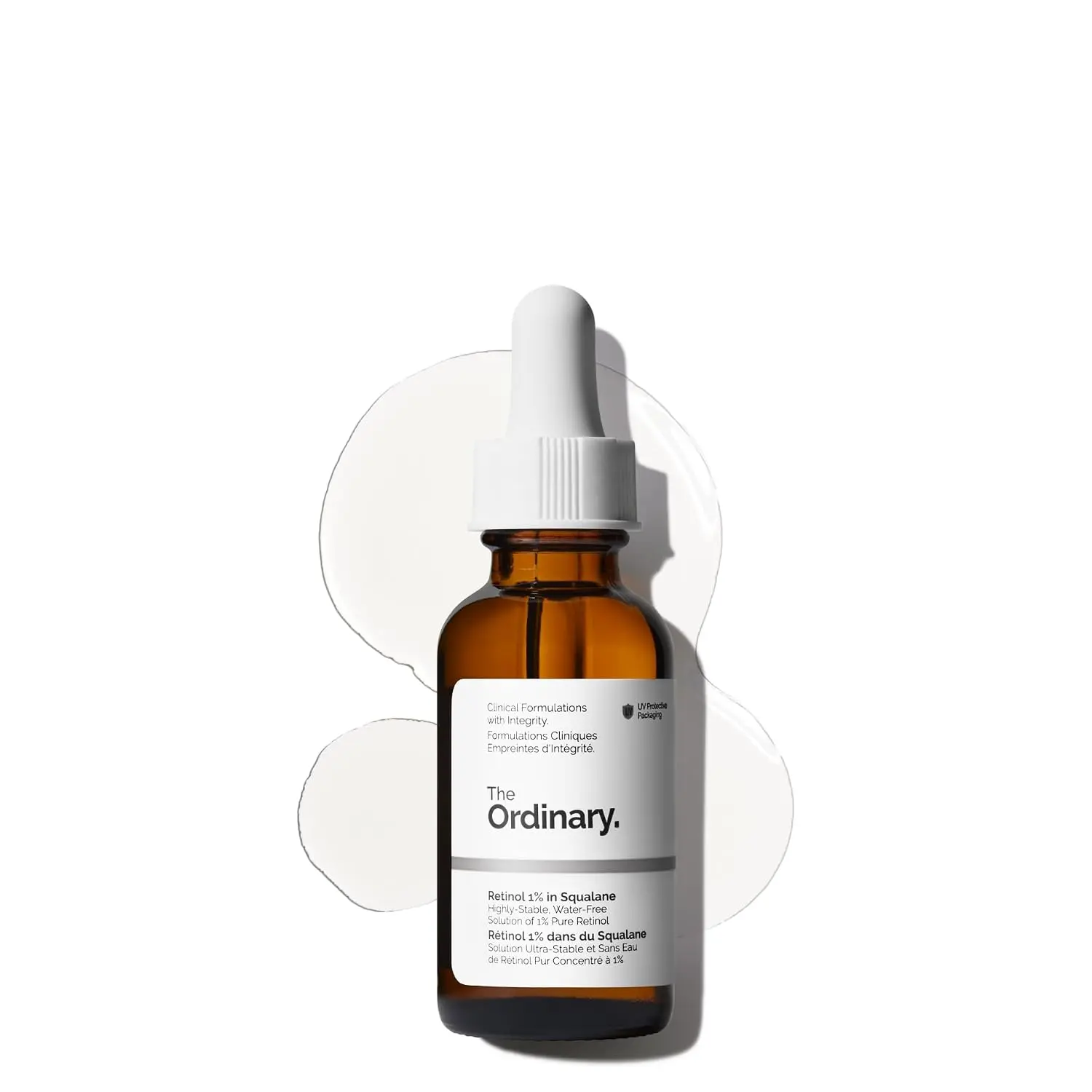
The Ordinary Retinol 1% in Squalane
A simple higher-strength option utilizing a squalane base that makes it easy to adjust application frequency.
Additional Supporting Ingredients
Hyaluronic acid, ceramides, niacinamide, and calming extracts frequently appear alongside both actives. These ingredients help maintain moisture and may reduce dryness. Can u mix vitamin c and retinol if you also add these supporting products? The time-of-day separation still matters more than the extras.
Sample Weekly Routine Combining Both
A practical beginner schedule uses vitamin C every morning and retinol on Monday, Wednesday, and Friday nights, with moisturizer every evening. Introduce one new product at a time so you can track how skin responds. Can i use vitamin c serum and retinol together under this plan? Yes—just never in the same application.
A lightweight evening moisturizer such as CeraVe PM Facial Moisturizing Lotion layers well over retinol and helps prevent tightness. For daytime protection, Neutrogena Ultra Sheer Dry-Touch Sunscreen Broad Spectrum SPF 55 applies cleanly over vitamin C and delivers reliable broad-spectrum coverage without a heavy feel.
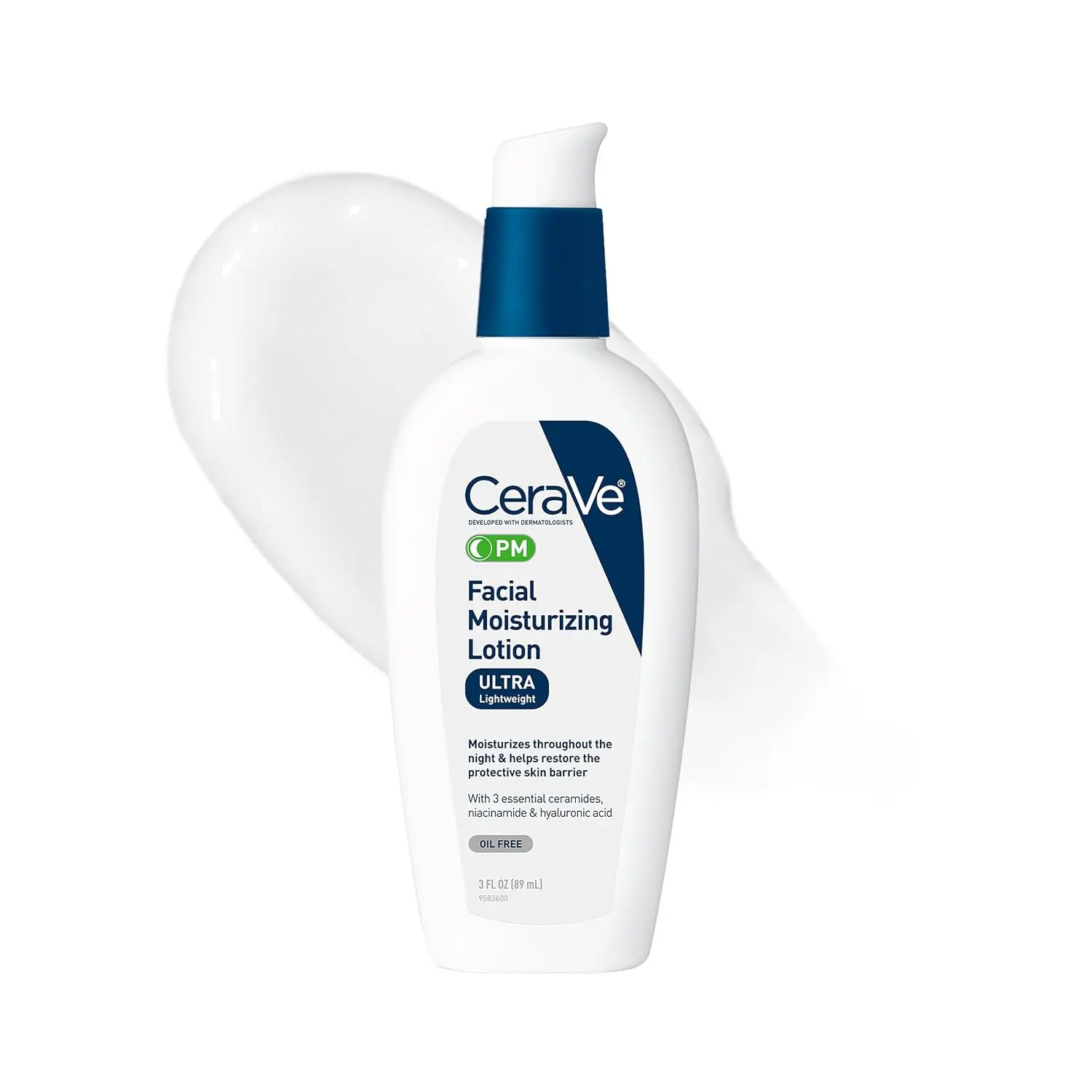
CeraVe PM Facial Moisturizing Lotion
A lightweight evening moisturizer that layers well over retinol and helps prevent tightness.
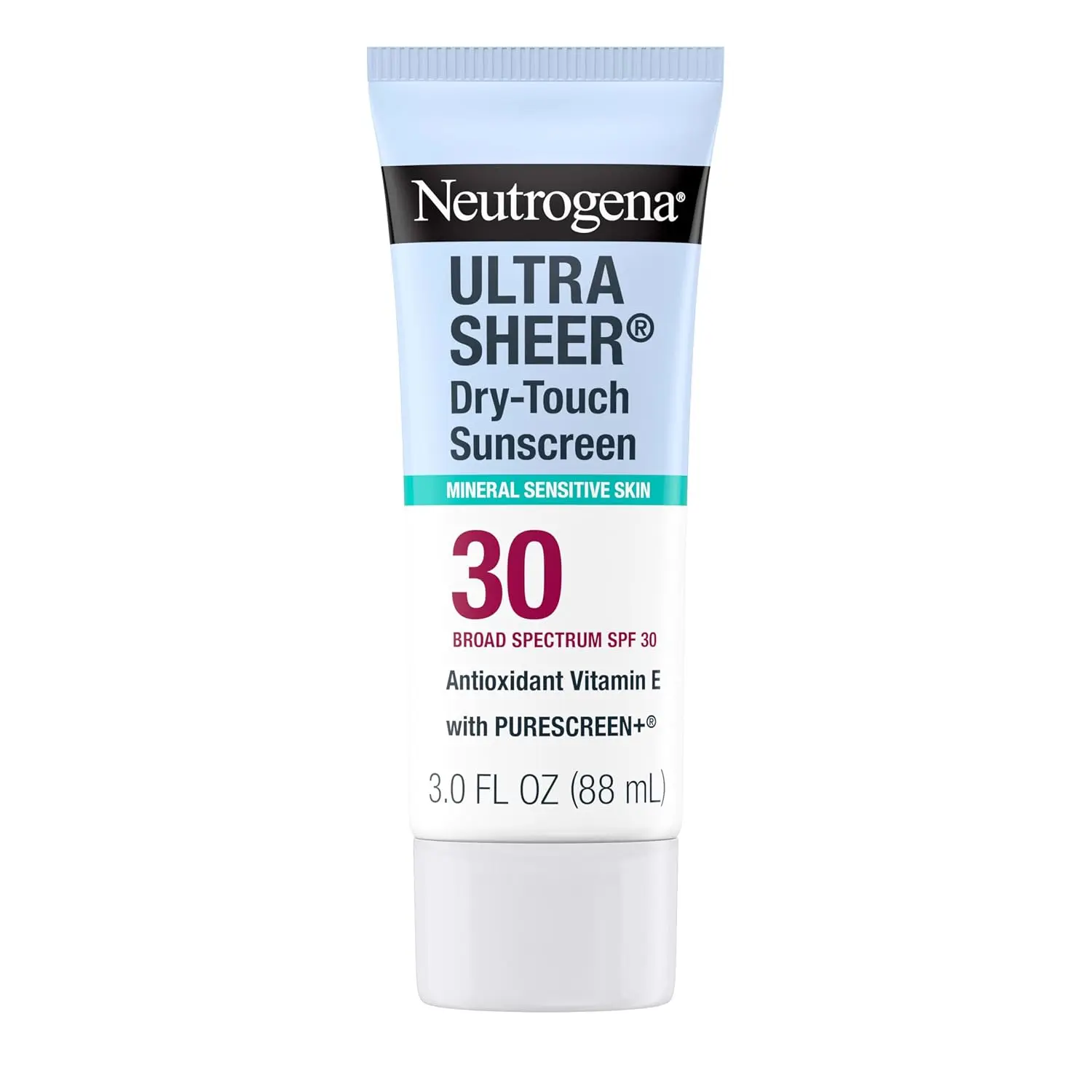
Neutrogena Ultra Sheer Dry-Touch Sunscreen SPF 55
Applies cleanly over vitamin C and delivers reliable broad-spectrum coverage without a heavy feel.
Adjustments for Different Skin Types
Drier or more reactive skin often needs extra rest nights between retinol use and a richer moisturizer. Oilier skin may handle higher frequency sooner. Can i use retinol with vitamin c on consecutive days once tolerance builds? Many people can, provided the morning-night split stays in place and daily sunscreen remains consistent.
Can I Use Vitamin C and Retinol Together? Final Takeaways
Many people use both ingredients successfully when they follow the morning-versus-night approach. Start slowly, wear sunscreen every day, and adjust frequency according to how your skin actually feels. Consistent use may support visible improvements in brightness and texture over time. Can i use vitamin c and retinol together long term? For most users, yes—as long as the separation rule holds and any irritation is handled promptly. Choose well-rated serums that match your skin type and budget, or check with a dermatologist if you have specific concerns, then build the routine at a pace that feels sustainable.