Disclosure: This post may contain affiliate links. We may earn a small commission at no extra cost to you if you make a purchase through these links. Please read our full Disclaimer for more details.
Can you mix AHA and BHA? Yes, many people can—once they understand the risks of over-exfoliation and introduce the combination carefully. AHAs such as glycolic or lactic acid mainly loosen dead cells on the surface so skin can look smoother and more even. BHAs, chiefly salicylic acid, are oil-soluble and can move into pores. The appeal of using both is clear, yet rushing the process often leads to tightness, redness, or a compromised barrier. This guide covers the practical limits, specific pairings, safer methods, and the precautions that keep results comfortable.
Understanding AHA and BHA Basics
Alpha hydroxy acids (glycolic, lactic) are water-soluble. They typically help release surface cells so texture can appear smoother. Beta hydroxy acids, most often salicylic acid, dissolve in oil and reach into pores. That difference explains why an aha bha mix interests people dealing with both roughness and congestion. Strength is not automatic; concentration, formula pH, and individual tolerance decide the outcome.
Can You Mix AHA and BHA? What to Know First
Can you mix aha and bha? Cosmetic educators and formulators generally say many users can, provided they start with lower strengths and give skin time to adjust. Skin type, existing tolerance, product concentration, and the rest of the routine all matter. Results differ. Some people notice smoother texture and fewer visible bumps after several weeks of careful use. Others find the combination too active. Can you use aha and bha together? Yes for a large number of users after each ingredient has been tested alone. Can you mix aha and bha together in the same routine? Often possible, yet alternating nights remains the safer entry point for most.
Before combining acids, it helps to review a clear guide on skincare ingredients not to mix so you avoid stacking too many strong actives at once.
Can You Mix Specific AHA and BHA Combinations?
Certain pairings appear constantly. Gradual introduction and close attention to how skin feels remain the consistent advice.
Can You Mix Salicylic Acid with Glycolic Acid?
Can you mix salicylic acid with glycolic acid? This pairing is asked about frequently. Glycolic is the smallest AHA molecule and can feel more active on the surface. Can you mix glycolic acid and salicylic acid? Many people do, usually by alternating or keeping percentages moderate. Can you mix salicylic acid and glycolic acid the same night? Possible for tolerant skin, but beginners should separate them first. A straightforward 2% option many use is The Ordinary Salicylic Acid 2% Solution. Pair it with a moderate glycolic product and pause if tightness develops.
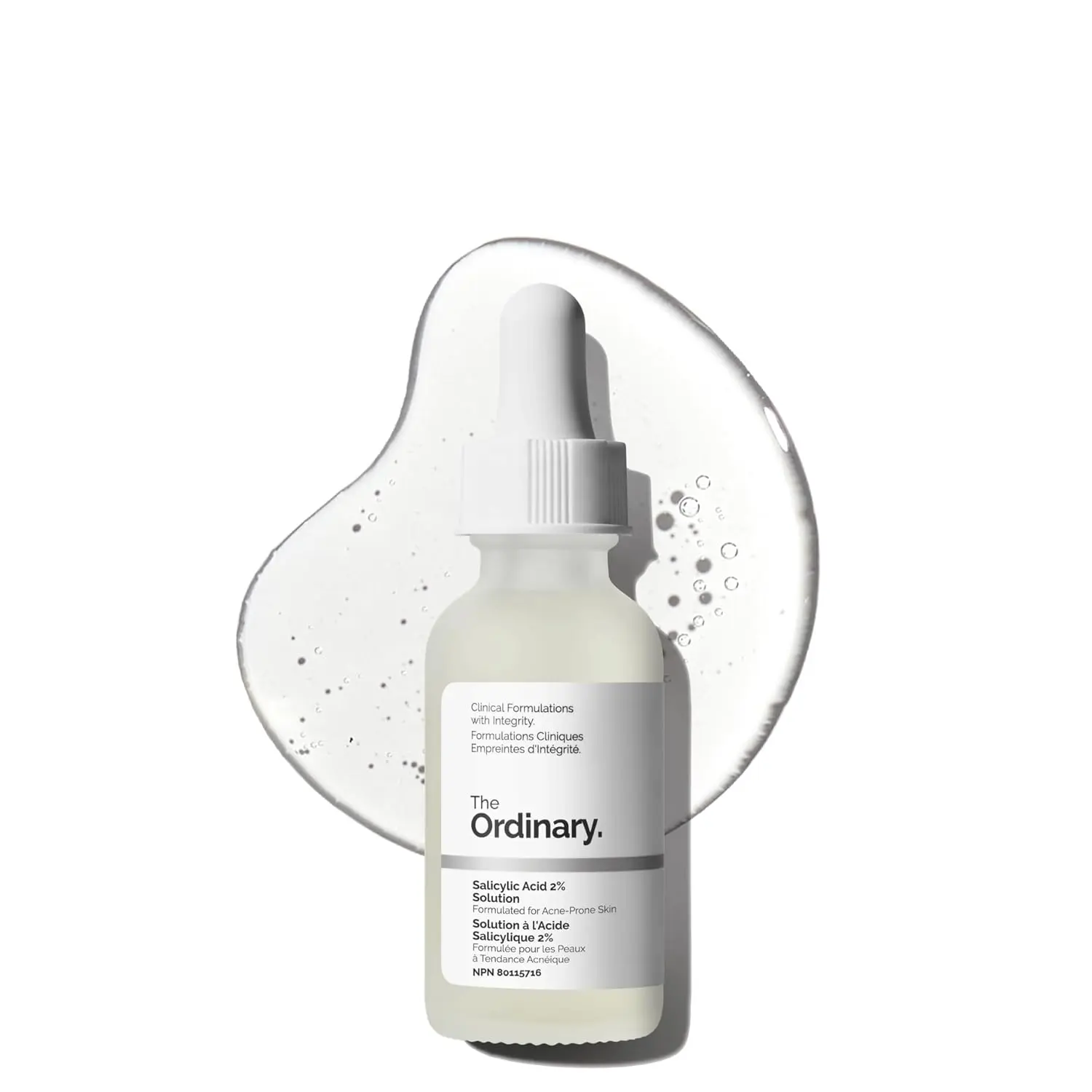
The Ordinary Salicylic Acid 2% Solution
A straightforward 2% BHA option that helps clarify pores and pairs well with a moderate glycolic acid product when introduced carefully.
Can You Mix Salicylic Acid and Lactic Acid?
Lactic acid is often better tolerated than glycolic by many users. Can you mix salicylic acid and lactic acid? Yes, this combination is frequently easier to manage. Can you mix lactic and salicylic acid on alternate nights? That approach lets you test without overload. Can you mix lactic acid with salicylic acid at lower strengths? Most people who introduce them slowly report fewer issues. Can you mix lactic acid and salicylic acid over the longer term? It depends on barrier condition. Can i use salicylic acid and lactic acid together? Begin with one or two nights a week and increase only if skin stays comfortable.
Can You Mix Salicylic Acid and AHA BHA?
Wording varies, but the question is the same. Can you mix salicylic acid and aha bha? Treat it like any multi-acid combination: lower strengths and spaced use first. Can you mix salicylic acid and aha in general? Yes for many once individual tolerance is confirmed. A popular leave-on BHA that layers cleanly for a lot of users is Paula’s Choice Skin Perfecting 2% BHA Liquid Exfoliant. Use it alone several times before adding any AHA.
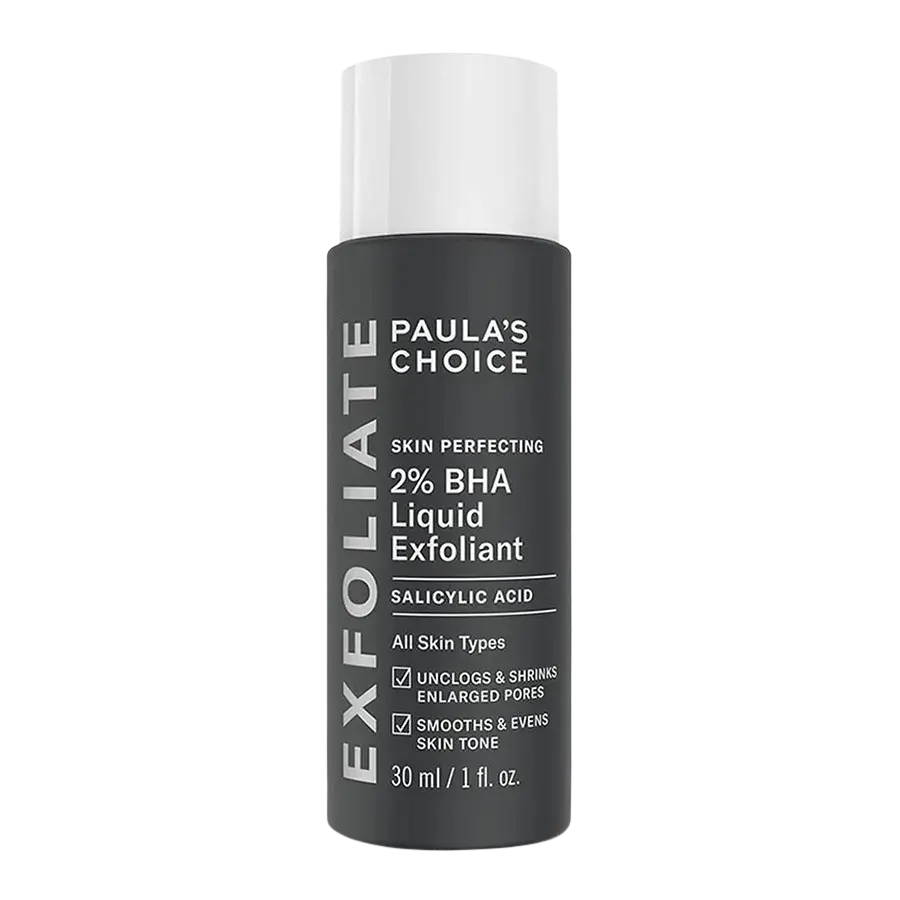
Paula’s Choice Skin Perfecting 2% BHA Liquid Exfoliant
A popular leave-on BHA that layers cleanly. Ideal to use alone several times to establish tolerance before pairing with any AHA.
Can You Mix Vitamin C with AHA BHA?
Can you mix vitamin c with aha bha? This raises sensitivity because both pure vitamin C and acids lower pH. Can you mix vitamin c and aha bha in the same routine? Some people succeed by placing vitamin C in the morning and acids at night, or by waiting until skin is fully adjusted to the exfoliants. Start separately. Extra stinging or redness means pause. A lightweight option many beginners try after or alongside acids is TruSkin Vitamin C Serum. Allow the acids time to settle, then always finish the morning with sunscreen.
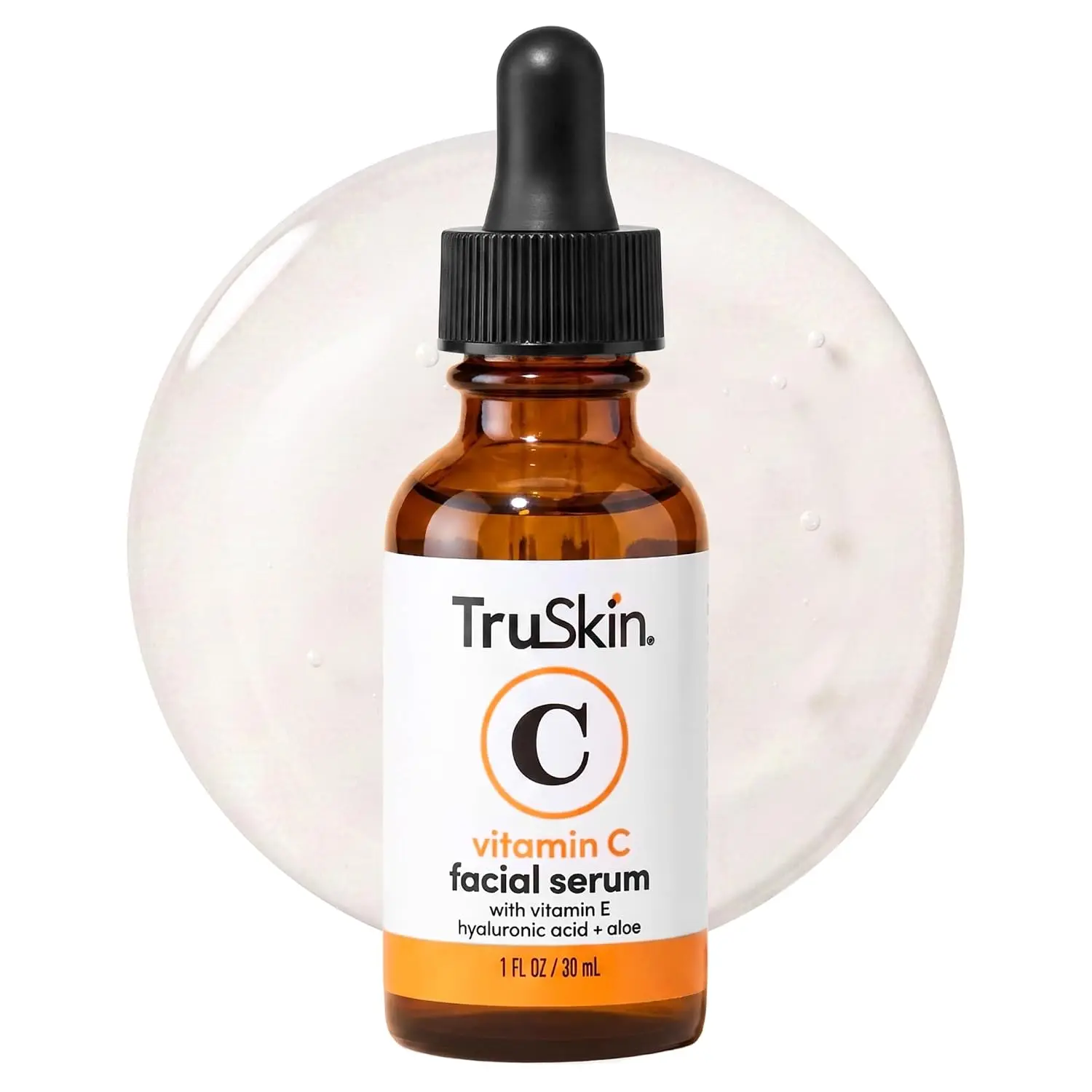
TruSkin Vitamin C Serum
A lightweight option many beginners try alongside acids. Ideal for morning use after allowing exfoliants time to settle.
Many people turn to salicylic acid for its ability to work inside pores; learning the main salicylic acid benefits can help you decide whether to pair it with an AHA.
Mixing AHA and BHA: Practical Approaches
Safer methods reduce risk. Alternate nights: AHA one evening, BHA the next, then a recovery night. Or limit a lower-strength formula to two or three times a week. Evening use is generally easier because sun exposure is avoided right after application. Sunscreen every morning stays essential. Mixing aha and bha does not require daily use. Can you use bha and aha together every day? Only after skin has handled less frequent use without issue. Can i mix aha and bha as a beginner? Start with one product and one or two nights weekly. Can u mix aha and bha without irritation? Many do, but not everyone.
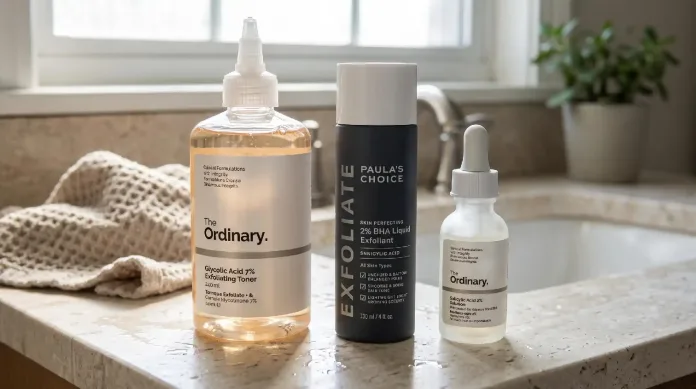
Many people successfully mix AHA and BHA when they introduce the combination slowly and watch for signs of over-exfoliation. A gentle starting AHA that a lot of users tolerate is The Ordinary Glycolic Acid 7% Exfoliating Toner. Apply it on a cotton pad a couple of nights a week and follow with moisturizer.
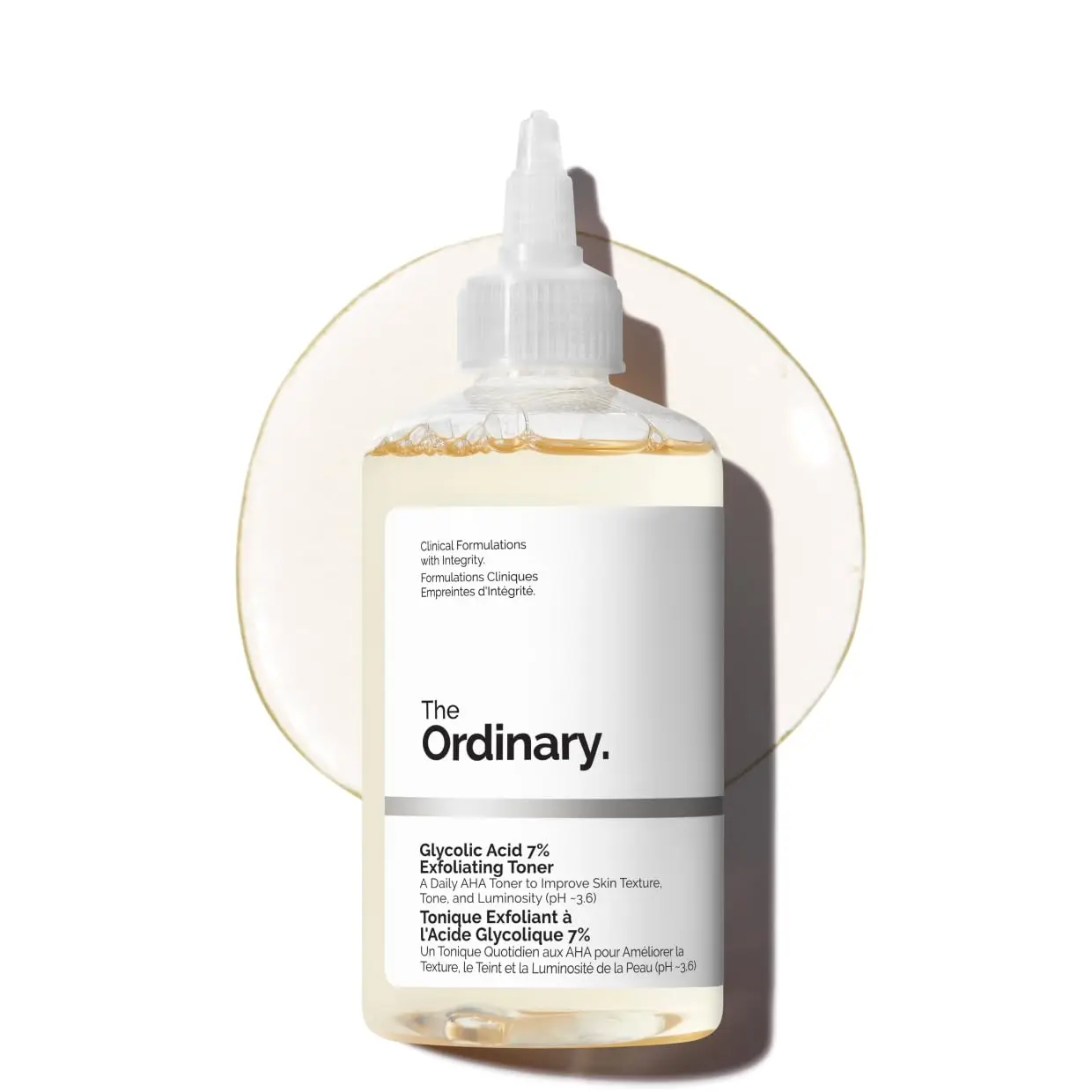
The Ordinary Glycolic Acid 7% Exfoliating Toner
A gentle starting AHA that many tolerate well. Apply with a cotton pad a couple of nights a week and follow with moisturizer.
Signs You May Be Over-Exfoliating
Temporary tightness, redness, flaking, or heightened sensitivity can appear. These signals mean pause the acids and focus on moisturizing for several days. Persistent discomfort calls for stopping and considering professional advice.
Precautions and Who Should Be Cautious
Begin with one exfoliant alone. Patch test. Consult a dermatologist if you have ongoing concerns or already use other strong actives. This is general information only. It is not a diagnosis, treatment, cure, or prevention of any condition. Sensitive skin or a stressed barrier needs extra care. After acids, a barrier-supporting cream such as CeraVe Moisturizing Cream helps many people feel more comfortable and lowers the chance of dryness.
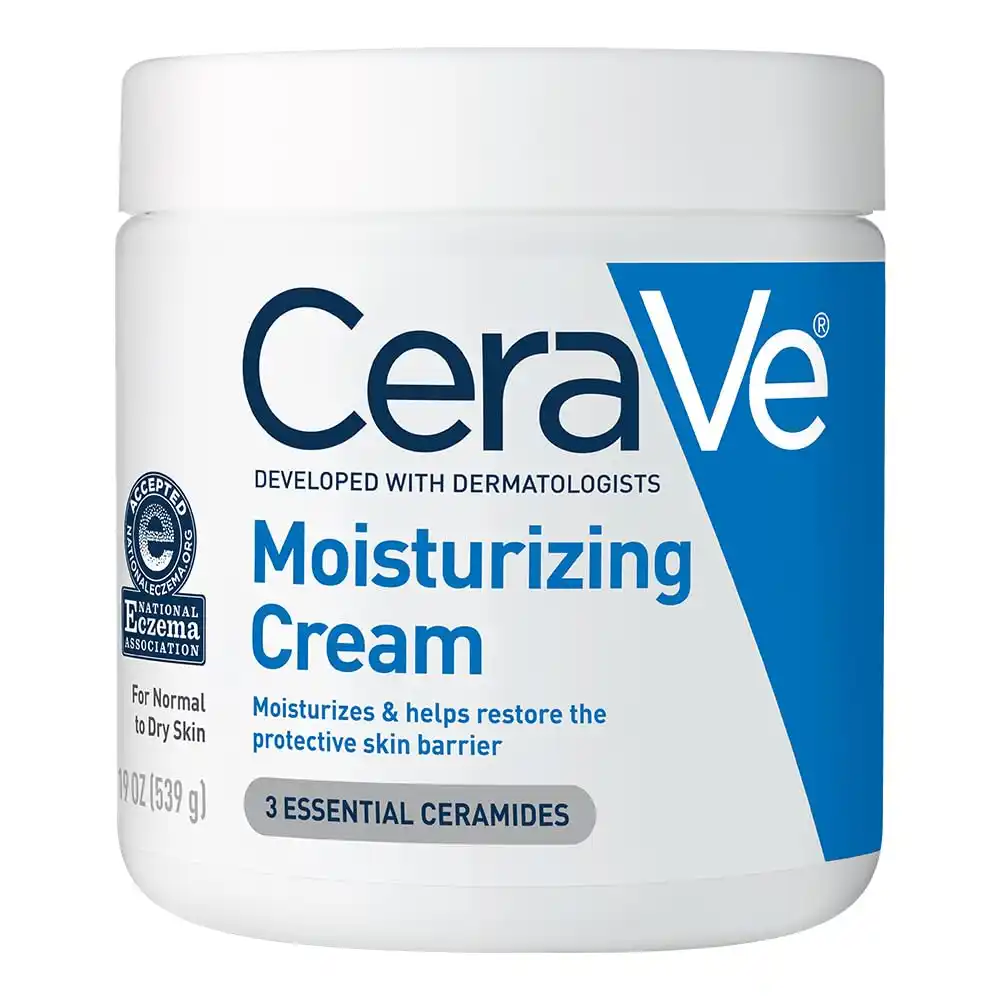
CeraVe Moisturizing Cream
Helps seal your active serum steps and support the skin barrier without clogging pores.
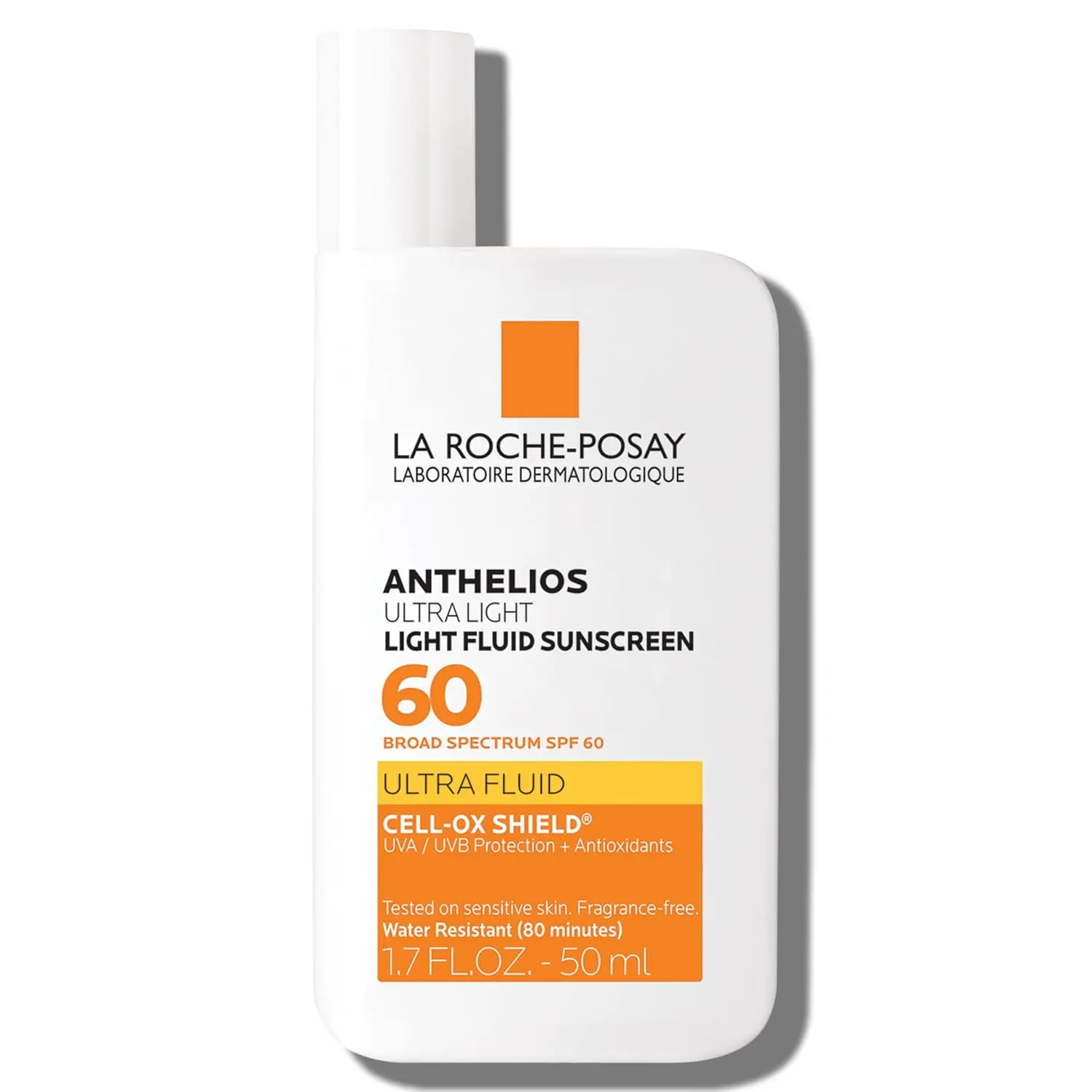
La Roche-Posay Anthelios Ultra Light Fluid Sunscreen SPF 60
A lightweight daytime finish to ensure the brightening support from your Vitamin C serum is fully protected.
Building a Simple Routine with AHA and BHA
One workable schedule: Monday and Thursday AHA, Tuesday and Friday BHA, other nights recovery. Or use a single low-strength product that contains both, two or three times a week. Moisturize every night. Apply broad-spectrum SPF every morning. A lightweight option that sits well after evening acids is La Roche-Posay Anthelios Ultra Light Fluid Sunscreen SPF 60. Adjust frequency according to how skin looks and feels after two to four weeks.
Conclusion: The Safest Way Forward
Combining AHA and BHA can suit some people when introduction is gradual and products are chosen carefully. Listen to your skin and seek professional advice if anything feels off. Can you mix aha and bha? For many, the answer is yes with patience. Choose lower-strength options that match your tolerance, build slowly, and keep the barrier supported.