Disclosure: This post may contain affiliate links. We may earn a small commission at no extra cost to you if you make a purchase through these links. Please read our full Disclaimer for more details.
You want glass skin. Everyone does. But playing cosmetic chemist in your bathroom usually ends in a frustrating cycle of irritation. Blindly mixing skincare ingredients without understanding the underlying chemistry is a guaranteed fast track to a highly reactive, compromised skin barrier. Customizing your exact lineup certainly offers visible improvements over time, but knowing precisely what to pair up prevents accidental daily flare-ups. We developed this definitive skincare cheat sheet to completely eliminate the guesswork from your evening regimen. Follow these strict foundational rules to maximize your cosmetic results while keeping your complexion visibly calm, balanced, and highly resilient.
Why You Need to Care About Mixing Skincare Ingredients
Think of your skin barrier—the stratum corneum—as a microscopic brick wall. Your dead skin cells act as the bricks. A delicate lipid matrix made of natural ceramides, cholesterol, and fatty acids forms the mortar holding everything together. This wall has a massive, non-negotiable job: trap essential moisture inside while locking environmental aggressors and daily pollution out.
Force bad skincare combinations together, and you act like a wrecking ball against that fragile lipid matrix. Clashing pH levels and aggressive chemical exfoliant pile-ups physically strip away your natural defenses. The immediate fallout? A highly compromised barrier that may lead to visible redness, intense stinging, or a dry, sandpaper-like texture. Beyond the sheer physical discomfort, layering the wrong serums literally neutralizes their active compounds. You are simply washing expensive serums down the sink.
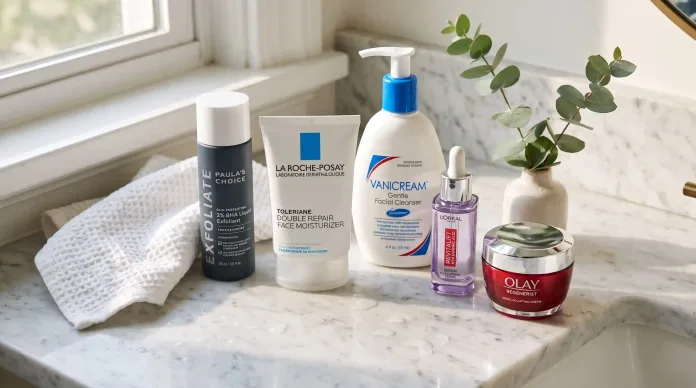
Before you experiment with high-potency serums, you need a pristine, non-reactive canvas. Prepping your face with a stripped-back, sulfate-free basic like the Vanicream Gentle Facial Cleanser ensures you wash away daily grime without accidentally introducing hidden, conflicting exfoliants. Formulated to support your natural acid mantle, a completely neutral cleanser sets the stage. Thoughtful layering routines may help maintain that vital barrier function, resulting in a visible improvement in your skin’s overall bounce and long-term clarity.
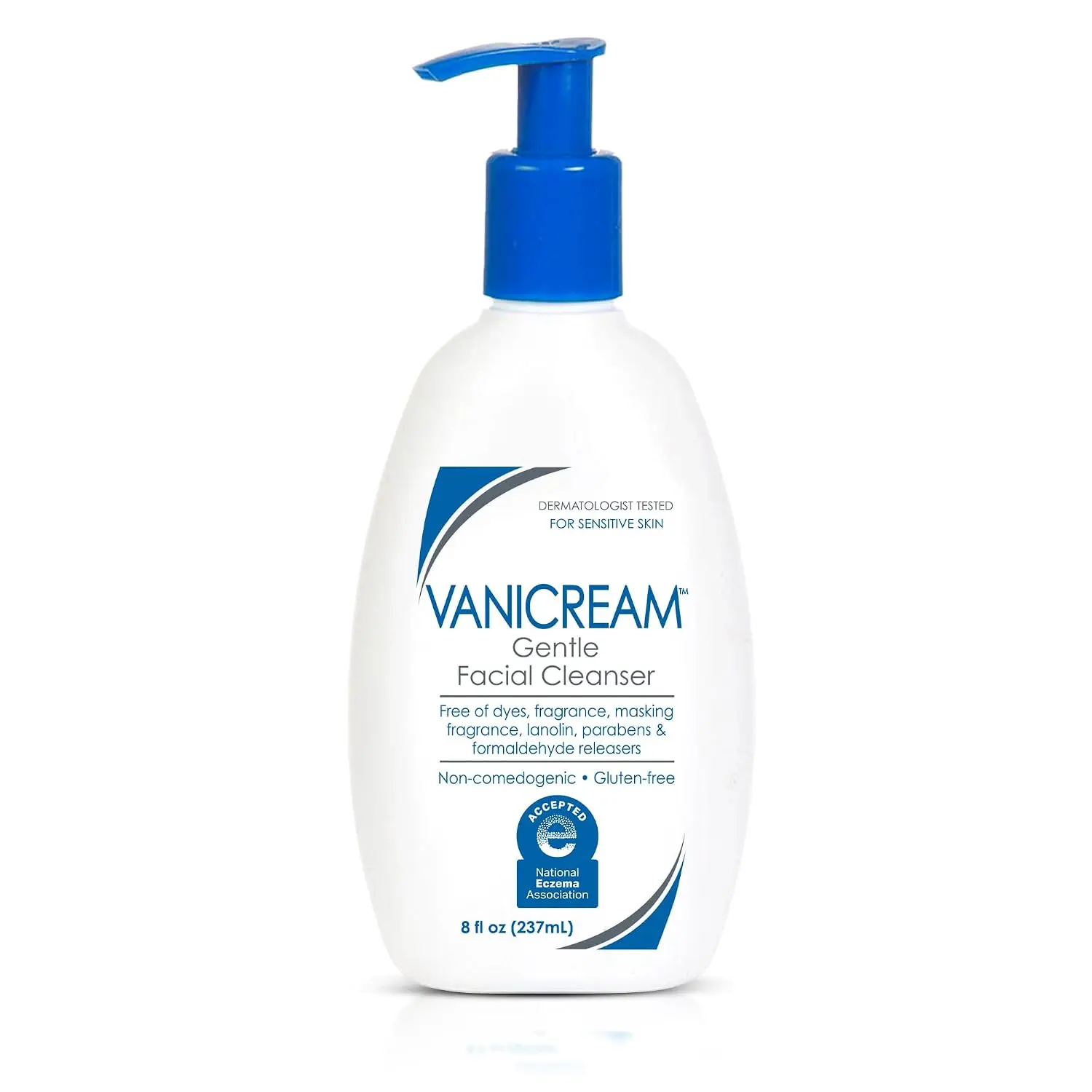
Vanicream Gentle Facial Cleanser with Pump Dispenser
The ultimate non-reactive canvas. Formulated to support your natural acid mantle without stripping essential moisture.
What Not to Mix: Skincare Ingredients Not to Use Together
Beauty marketing loves to push powerhouse ingredients. Rarely do those campaigns warn you about the chemical warfare happening right on your face. To genuinely understand skincare ingredients not to use together, you need to look directly at the pH scale.
Human skin naturally hovers at a mildly acidic pH of 4.5 to 5.5. Certain active compounds demand a highly acidic environment to penetrate effectively, while others only stabilize in a neutral zone. Force them to share the same square inch of skin at the exact same time, and they aggressively cancel each other out. Sometimes, they compound their side effects, leaving you with intense flaking. When clients ask me what skincare ingredients to not mix, the golden rule usually comes down to preventing overlapping exfoliation and avoiding sudden pH neutralization. Let’s break down the worst offenders.
Vitamin C and Retinol
Oil and water. Pure L-ascorbic acid (Vitamin C) and retinoids remain highly effective on their own, but they are absolutely skincare products you should never mix in the exact same application step.
Vitamin C acts notoriously unstable. To properly sink into the epidermis and deliver that coveted visible brightening effect, it requires an aggressively acidic environment—usually a pH of around 3.0 to 3.5. Retinol operates differently. It converts to retinoic acid optimally at a much higher, near-neutral pH of 5.5 to 6.0. Layer them back-to-back, and the pH of the Vitamin C spikes, rendering the antioxidant largely inactive. Simultaneously, the sheer acidity destabilizes the retinol. You increase the chances of visible peeling and redness tenfold.
Keep them strictly separated by the clock. Reserve your antioxidants for your morning routine to help defend against daytime environmental stressors. Save your retinoids for the evening when your skin shifts into natural repair mode. For a deeper dive into timing this powerful duo, read our dedicated guide: can you mix retinol and vitamin c.
AHAs/BHAs and Retinol
Welcome to the danger zone for chemical burns and severe flaking. Alpha Hydroxy Acids (glycolic, lactic) and Beta Hydroxy Acids (salicylic) work by dissolving the glue that holds dead skin cells onto the surface. Retinoids work by accelerating cellular turnover from the deeper layers upward.
Layer direct acids directly over retinoids, and you push your cellular turnover into aggressive overdrive. They firmly belong on the list of skincare ingredients that cannot be mixed simultaneously without risking significant dryness and intense barrier damage. You want the smoothing benefits of both? Practice skin cycling. Alternate your nights.
For specific breakdowns on alternating these strong actives, explore our focused tutorials on using glycolic acid and retinol together, the strict rules for mixing AHA and BHA safely, and why you should absolutely never mix benzoyl peroxide and retinol on the same evening. You can also view our comprehensive master list of ingredients not to mix with retinol.
Accidental peeling happens to the best of us. If you push it too far, reaching for a comforting, ceramide-heavy buffer like the La Roche-Posay Toleriane Double Repair Face Moisturizer may help maintain your skin’s moisture barrier and visibly reduce redness on those vital recovery nights.
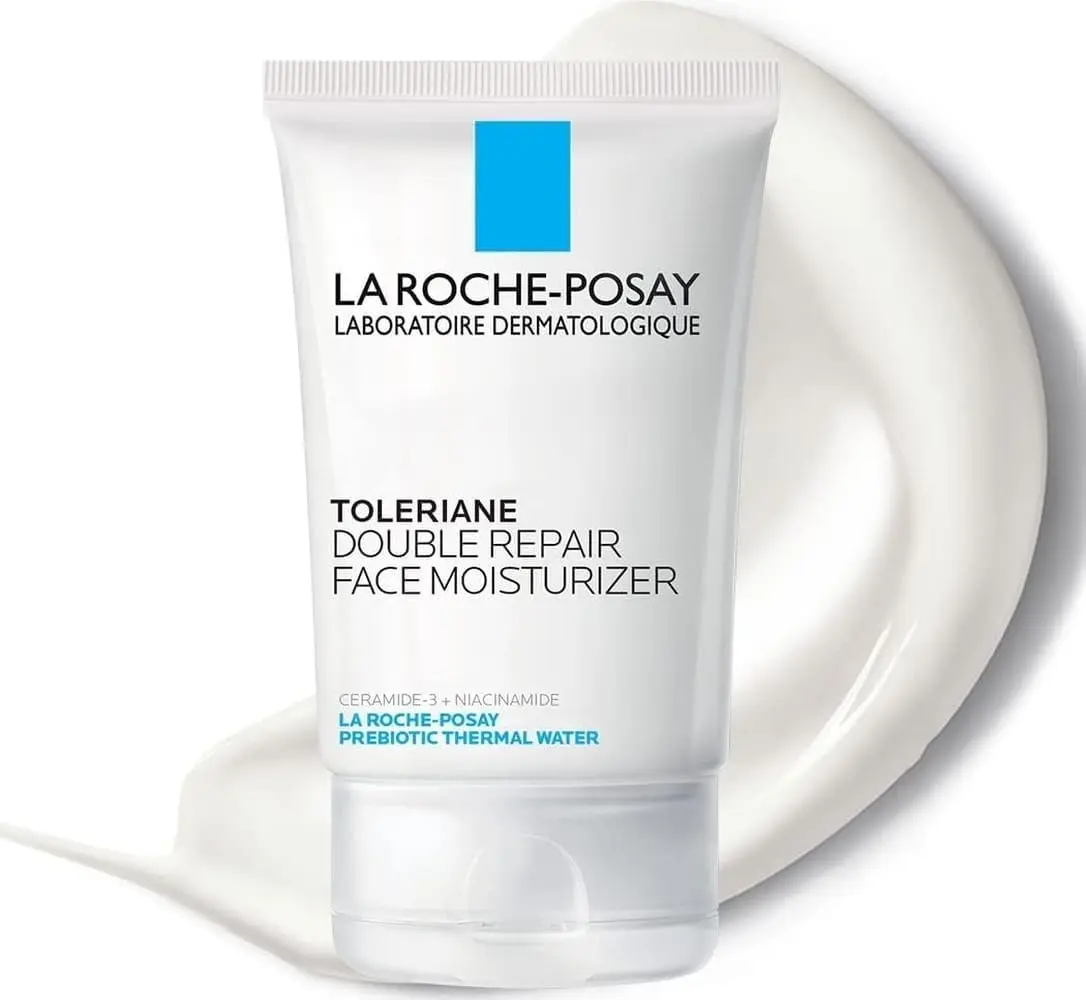
La Roche-Posay Toleriane Double Repair Face Moisturizer
Loaded with ceramides to help maintain your skin’s moisture barrier on recovery nights after active exfoliation.
Niacinamide and Vitamin C (The Modern Consensus)
Time to bust a decades-old beauty myth. Search the internet for what not to mix skincare, and you will inevitably hit outdated forum advice warning you to keep Niacinamide and Vitamin C far apart.
That specific warning traces back to a 1960s study. Researchers showed that combining pure ascorbic acid and niacinamide created nicotinic acid—a compound famous for causing severe facial flushing. Here is the catch. That original study used un-stabilized ingredients subjected to extremely high heat for extended periods. Those conditions simply do not exist in your bathroom cabinet. Modern cosmetic chemistry evolved rapidly. Today’s commercial formulations remain highly stable. Layering them together is completely safe for the vast majority of skin types. If you want to learn how this duo visibly targets the appearance of dark spots, check out our guide on how to use vitamin c and niacinamide together.
Safe Pairings: Skincare Ingredients That Can Be Mixed
We covered the hazard zones. Let’s switch gears to the fun part. There are plenty of skincare ingredients that can be mixed to amplify your aesthetic results and maximize a visible, healthy glow.
Pairing ingredients that share similar pH requirements or offer complementary actions creates cosmetic synergy. Think of an exfoliator seamlessly paired with a barrier-repairing hydrator. These represent the exact skincare ingredients you should mix to boost surface hydration and support long-term skin resilience.
H3: Retinol and Hyaluronic Acid
A match made in cosmetic heaven. Retinoids cause transepidermal water loss. They simply do, leaving the skin looking temporarily parched and crepey. Hyaluronic acid steps in as a pure moisture magnet, pulling hydration directly into the surface layers to counteract that exact dryness.
Applying a humectant like the L’Oreal Paris Revitalift 1.5% Pure Hyaluronic Acid Face Serum onto slightly damp skin immediately before your active treatments provides a plush, hydrating base. We call this the sandwich method. It directly answers a highly searched question: can i mix tretinoin with moisturizer? Yes. Cosmetically speaking, buffering your strong retinoids with a hydrating serum and a rich cream acts as a highly effective comfort strategy to minimize visible flaking. (Note: Always direct prescription medication questions to a board-certified dermatologist, but buffering remains a standard aesthetic practice globally).
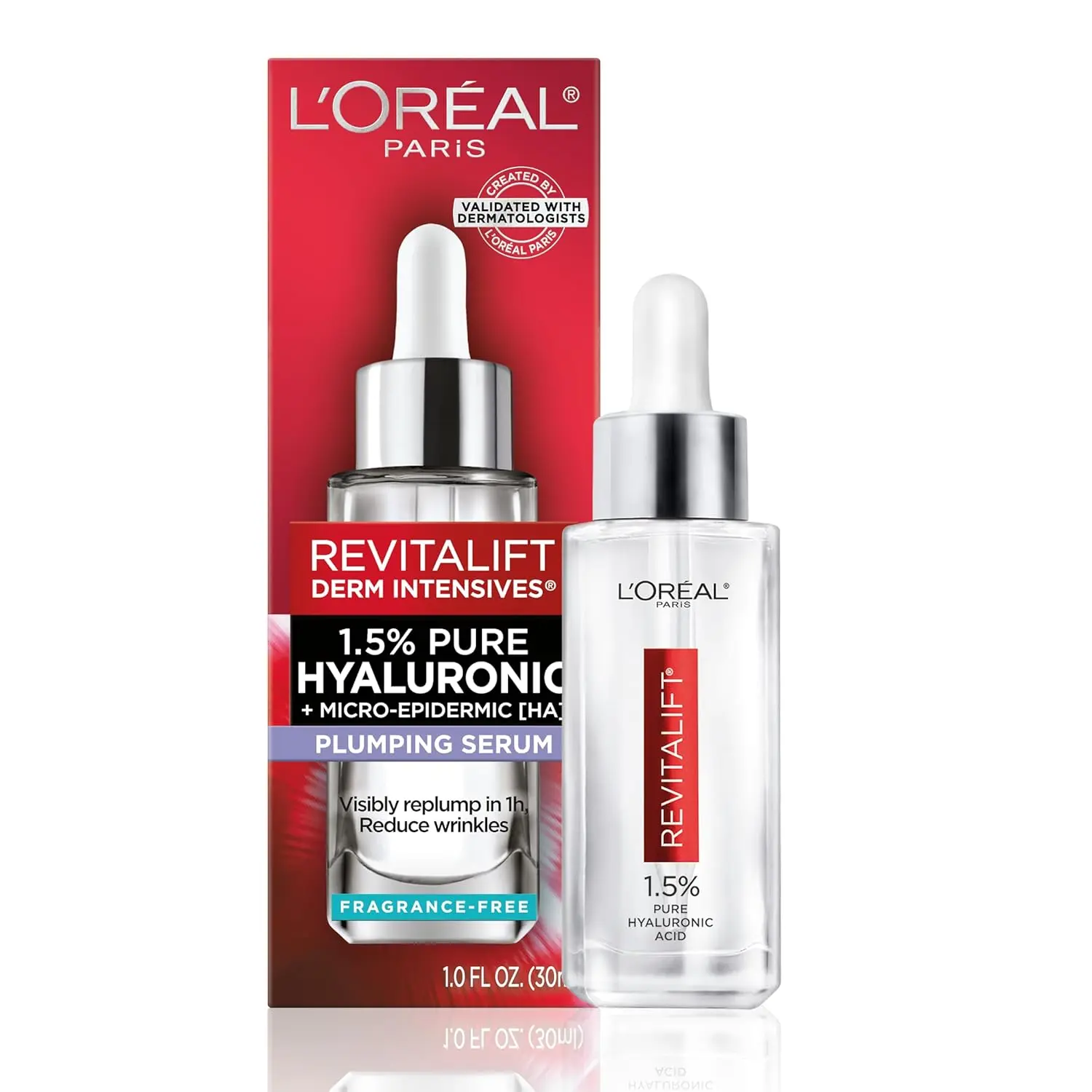
L’Oreal Paris Revitalift 1.5% Pure Hyaluronic Acid Face Serum
A pure moisture magnet designed for the sandwich method to cushion your skin against retinoid dryness.
For precise, step-by-step instructions on perfecting this exact buffering technique, review our tutorial on the retinol and hyaluronic acid sandwich method.
Salicylic Acid and Niacinamide
Dealing with visible congestion or excess afternoon shine? This duo is your strongest defense. Salicylic acid acts lipophilic. It actually cuts through trapped oil to visibly clear out the appearance of enlarged pores. However, the acid naturally leans drying.
Niacinamide steps in beautifully to visibly balance that oil production while simultaneously supporting the lipid barrier. Sweeping a gentle liquid exfoliant such as the Paula’s Choice SKIN PERFECTING 2% BHA Liquid Exfoliant over your T-zone pairs perfectly with a follow-up niacinamide serum. They operate at entirely compatible pH levels and tackle visible congestion from two completely different angles.
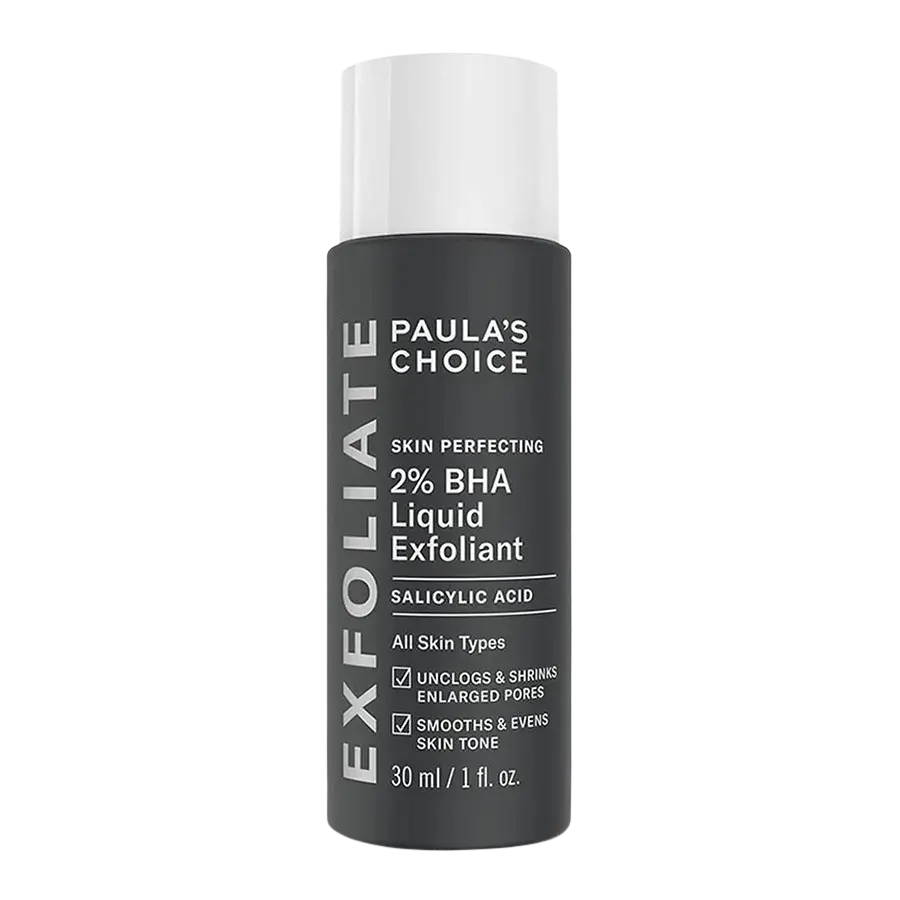
Paula’s Choice SKIN PERFECTING 2% BHA Liquid Exfoliant
The undisputed king of BHA. Effectively cuts through oil to visibly clear out the appearance of enlarged pores.
Read more about layering niacinamide with retinol to expand your evening routine, or deep dive into why you might want to mix salicylic acid and retinol on alternating days for maximum smoothing.
Peptides and Hydrators
Peptides consist of short chains of amino acids specifically formulated to support the visible firmness and elasticity of the skin. They pack a punch. But their chemical bonds are surprisingly delicate. Expose peptides to highly acidic environments (like a potent AHA peel), and they undergo hydrolysis. The acid literally breaks the chains apart, rendering the expensive serum completely useless.
Because of this specific fragility, you must learn what not to mix with peptides. Keep them strictly away from direct acids. Pair them exclusively with soothing, neutral hydrators. Peptides thrive alongside ceramides, glycerin, and hyaluronic acid. For an incredible hydration boost, learn how to combine hyaluronic acid and niacinamide alongside your peptide serums.
To lock in those delicate amino acid chains without risking accidental hydrolysis, seal your evening routine with a rich, cushioning formulation like the Olay Regenerist Micro-Sculpting Cream. It delivers intense hydration and leaves a visibly firmer, plumper finish.
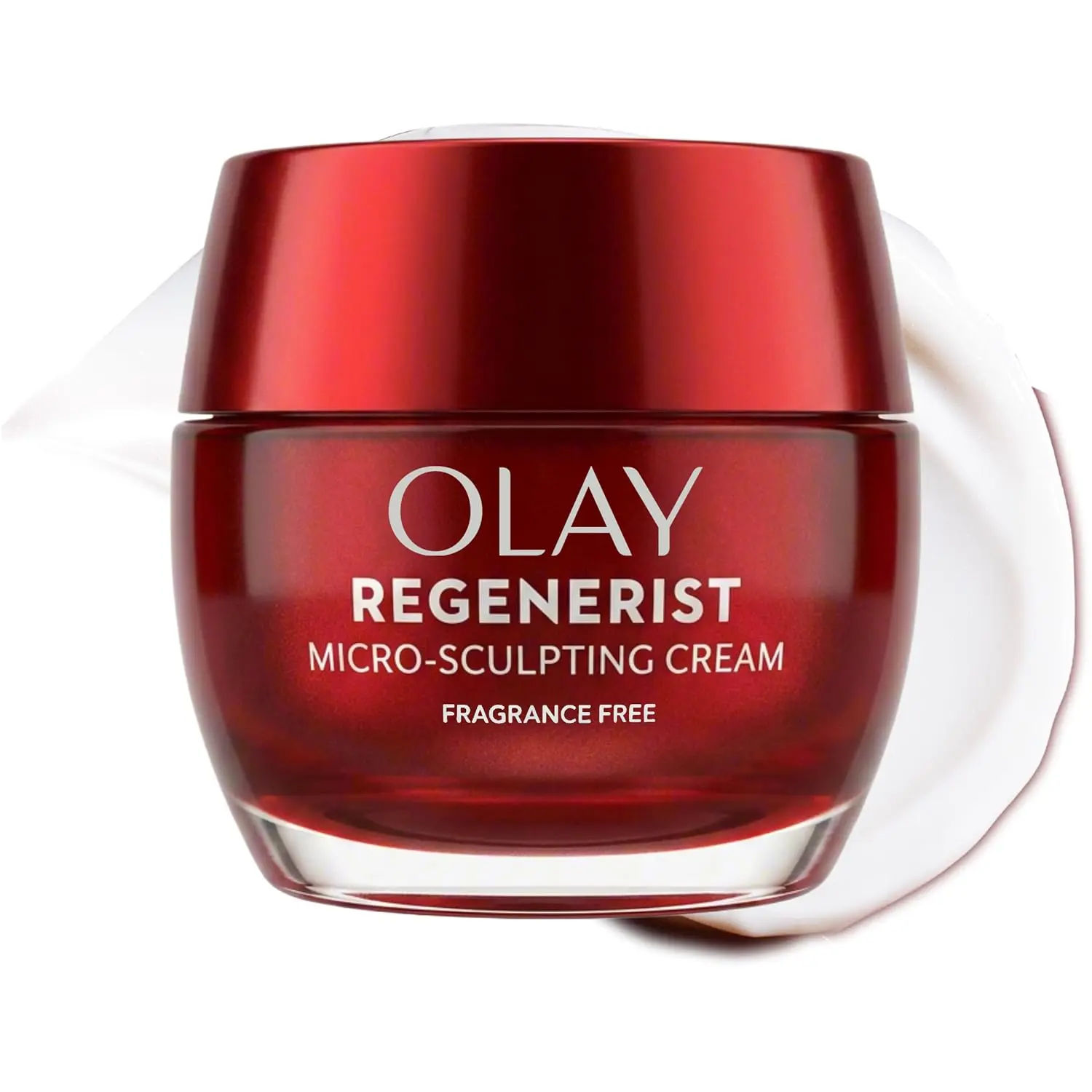
Olay Regenerist Micro-Sculpting Cream Face Moisturizer
Packed with amino-peptides to seal in your routine and deliver a visibly firmer, plumper finish.
The Ultimate Skincare Cheat Sheet
Standing in the skincare aisle holding four different serums? When asking yourself, can you mix all these skincare ingredients, immediately refer to this visual guide.
The daily habit of mixing skincare ingredients does not require an advanced chemistry degree. It just requires a reliable reference point. Save this table directly to your phone. It maps out the exact combinations you need to memorize, clearly highlighting the skincare ingredients you can t mix alongside the safest, most effective pairings.
| Ingredient 1 | Ingredient 2 | Verdict | The Editorial Breakdown |
|---|---|---|---|
| Vitamin C | Retinol | 🛑 Avoid | Differing pH needs. Combining them actively destabilizes both and causes visible irritation. These remain the top skincare ingredients to never mix simultaneously. |
| AHAs / BHAs | Retinol | 🛑 Avoid | Massive overlapping exfoliation. These are absolutely skincare ingredients that should not be used together in the exact same layer. Alternate nights instead. |
| Retinol | Hyaluronic Acid | ✅ Safe | The ultimate buffering pair. The HA provides essential surface moisture to beautifully offset retinoid-induced dryness. |
| Vitamin C | Niacinamide | ✅ Safe | Modern commercial formulations remain completely stable together for a targeted, visible brightening effect. |
| Peptides | AHAs / BHAs | 🛑 Avoid | High acidity aggressively breaks down the fragile peptide amino acid chains via hydrolysis. |
| Salicylic Acid | Niacinamide | ✅ Safe | A fantastic, barrier-supporting duo formulated to visibly balance oil production and smooth texture. |
Conclusion: Mastering Your Skincare Routine
Building an effective regimen requires strategy. Successfully mixing skincare ingredients is entirely about working smarter, not harder. Slapping on a 10-step routine is entirely useless if the actives are aggressively canceling each other out or silently destroying your stratum corneum behind the scenes.
If you are still standing in front of your bathroom mirror wondering, can you mix all these skincare ingredients together, the answer usually leans toward a resounding no. Restraint remains your absolute best friend. Introduce new, potent serums one at a time. Always respect the pH scale, keep your strong chemical exfoliants far away from your retinoids, and never skip a patch test. Bookmark this page, screenshot the cheat sheet, and use it as your definitive guide during your next beauty haul. Treat your barrier with respect, and your skin will stay visibly calm, clear, and perfectly balanced.