Disclosure: This post may contain affiliate links. We may earn a small commission at no extra cost to you if you make a purchase through these links. Please read our full Disclaimer for more details.
Can you use glycolic acid and retinol together without constant dryness or redness? Most people manage it once they stop putting both on the same night. Glycolic acid loosens dead surface cells. Retinol encourages newer cells to surface. Apply them back-to-back and the barrier often complains. Space them and the same two actives usually settle into a workable routine. Begin with fewer nights than you expect.
Can You Mix Glycolic Acid and Retinol? Essential Compatibility Facts
Can you mix glycolic acid and retinol inside one routine? Yes, provided the applications stay on different evenings. Glycolic acid is a small AHA that mainly works on the top layers. Retinol is a vitamin A derivative that influences cell turnover deeper down and is almost always reserved for night. For a full overview of which actives conflict and which ones pair well, see our guide on mixing skincare ingredients.
How Glycolic Acid Typically Fits into a Routine
People add glycolic acid when they want smoother texture and a brighter look. Beginners usually start with two or three nights per week rather than every night. Can you mix retinol and glycolic acid the very next evening? Early on, better to leave a gap. The surface exfoliation already raises sensitivity; retinol right after can push that sensitivity higher.
How Retinol Is Commonly Introduced
Retinol belongs in the evening for most people. A short adjustment period of tightness or light flaking is common while skin adapts. Gradual introduction keeps that period shorter. Retinol and aha together on the same night simply reduces the margin for comfort. Separate nights give the barrier time to recover.
Safe Timing Strategies for Combining Both
The clearest method is alternating nights. Spacing the two actives may lower irritation risk by giving skin a break between them. Can you mix retinol with glycolic acid every evening if your skin feels tough? A few experienced users do it, but most see fewer complaints with staggered use.
Alternating Nights Approach
Apply glycolic acid one night and retinol the next. Keep at least one or two recovery nights each week with moisturizer alone. Can i use retinol and glycolic acid together this way? Yes—just never in the same sitting. The pattern keeps both ingredients active without constant overlap.
Morning Glycolic and Nighttime Retinol Option
Some people use a low-strength glycolic product in the morning and retinol at night, but only with strict daily sunscreen. Can you use glycolic acid and retinol at the same time under this schedule? The applications remain hours apart, which is what matters. Retinol stays in the evening window.
How to Use Glycolic Acid and Retinol Together Without Overdoing It
Glycolic acid and retinol together work for many people when frequency stays modest and one product is added before the other. Can i use glycolic acid and retinol together from the first week? Safer to introduce them one at a time so any reaction is easy to identify. Start glycolic acid two or three nights weekly for a couple of weeks, then bring in retinol on the remaining nights. People add glycolic acid when they want smoother texture and a brighter look. Beginners usually start with two or three nights per week rather than every night. If you’re also considering other acids, our guide on mixing AHA and BHA covers how these exfoliating ingredients interact.
A straightforward, high-reviewed option many beginners tolerate is The Ordinary Glycolic Acid 7% Exfoliating Toner, a 7% formula that works well a few times a week. For a creamier texture that includes ceramides, CeraVe Skin Renewing Nightly Exfoliating Treatment combines glycolic and lactic acids in a formula built for overnight use with barrier support.
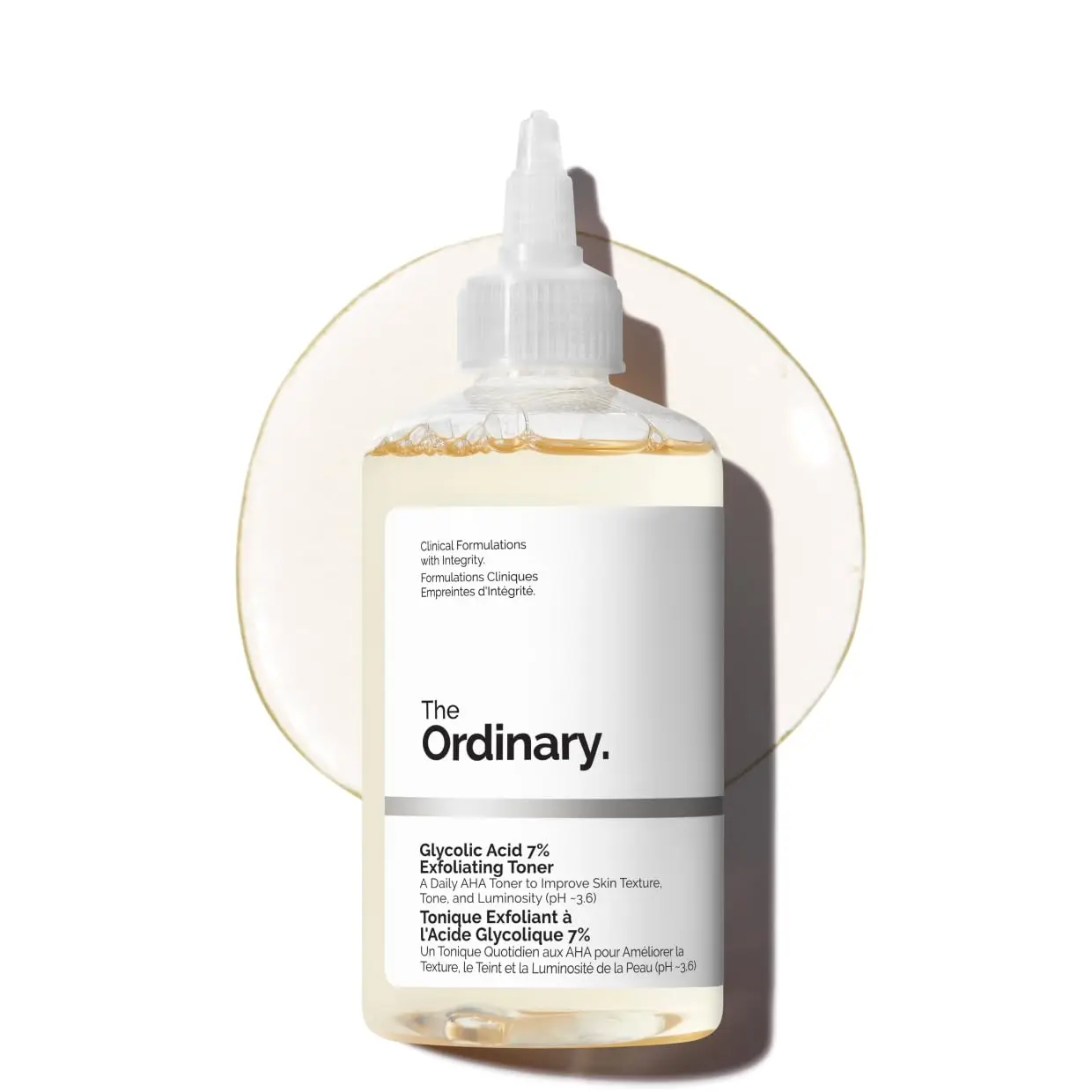
The Ordinary Glycolic Acid 7% Exfoliating Toner
A straightforward, high-reviewed 7% formula that many beginners tolerate well when used a few times a week.
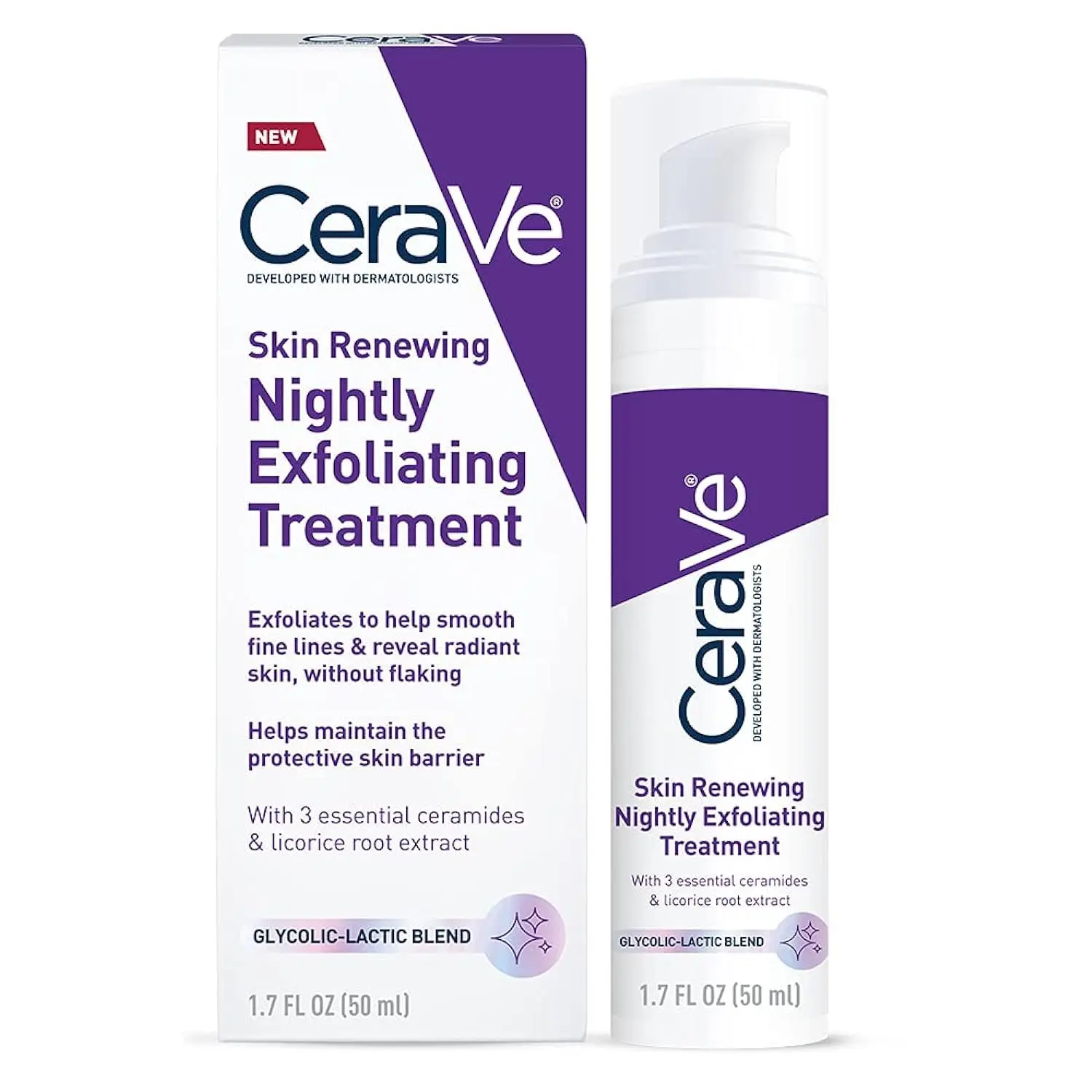
CeraVe Skin Renewing Nightly Exfoliating Treatment
Combines glycolic and lactic acids in a creamy, ceramide-infused formula built for overnight use with barrier support.
Suggested Beginner Schedule
A simple week can look like this: glycolic acid Monday and Thursday, retinol Tuesday and Friday, moisturizer-only the other nights. Mix glycolic acid and retinol on the same evening and over-exfoliation risk rises for most users. The staggered calendar keeps both actives in rotation without stacking them.
Layering Order When Using on Different Days
Cleanse, apply the chosen active, then seal with moisturizer. Can you use retinol and glycolic acid together in one routine step? Skip that. On glycolic nights use the acid; on retinol nights use the retinol. Keep each night short and single-purpose.
Potential Irritation and How to Minimize It
Temporary dryness, flaking, or mild redness shows up for many people when either ingredient is new. Buffer the active with moisturizer, cut frequency, or add extra recovery nights. Visible changes and tolerance differ by person. Mixing glycolic acid and retinol in one application usually intensifies those temporary effects. Can you mix aha and retinol on alternating nights instead? That spacing typically keeps discomfort lower.
Signs to Pause and Adjust
Stop both products if stinging, lasting redness, or heavy peeling appears. Focus on barrier support for several days. See a dermatologist if irritation continues. Can i mix glycolic acid and retinol again after skin calms? Yes—restart one product at a time at lower frequency.
What to Look for in Products
Beginner glycolic acid products commonly sit between 5% and 10%. Retinol formulas for new users often range from 0.1% to 0.5%. Versions that include soothing or barrier-supporting ingredients tend to be easier to tolerate. Can you mix glycolic acid with retinol more comfortably when both products stay gentle? Usually yes. Aha and retinol together still need spacing, but lower strengths and supporting ingredients widen the comfort margin for most people.
A gentle encapsulated retinol many users introduce without major issues is CeraVe Resurfacing Retinol Serum, which includes niacinamide and ceramides. Those who prefer a simple disclosed-strength option often choose The Ordinary Retinol 0.5% in Squalane because the squalane base makes frequency easy to adjust.
CeraVe Resurfacing Retinol Serum
A gentle encapsulated retinol many users introduce without major issues, including niacinamide and ceramides.
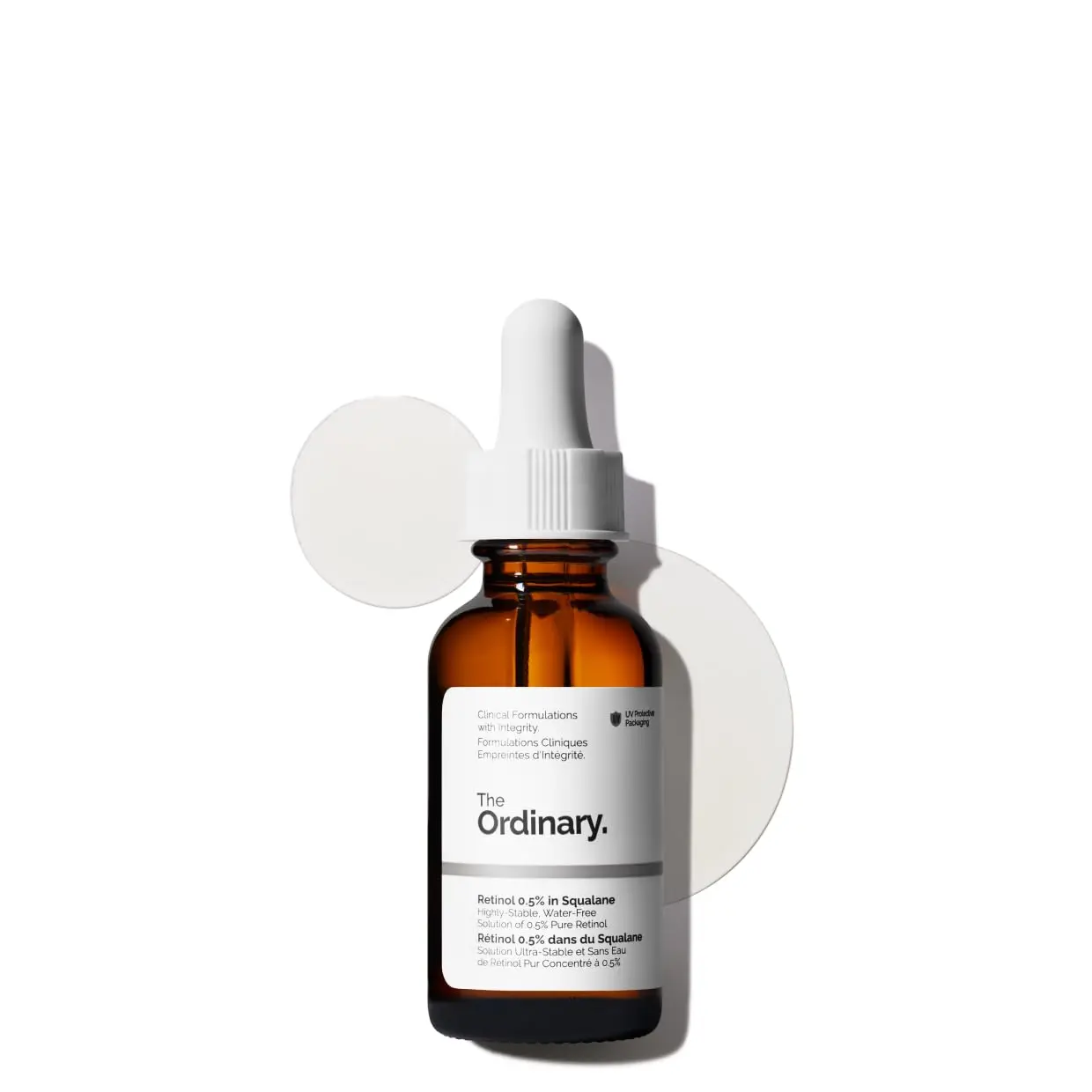
The Ordinary Retinol 0.5% in Squalane
A simple disclosed-strength option featuring a squalane base that makes frequency easy to adjust.
Supporting Ingredients That May Help
Ceramides, niacinamide, and hyaluronic acid often appear in moisturizers used with both actives. These ingredients help maintain moisture and may reduce dryness. Can you use aha and retinol together more comfortably when a solid moisturizer is also in the routine? Timing still matters most, but barrier support helps.
Sample Weekly Routine for Combining Both Safely
A practical beginner schedule uses glycolic acid on Monday and Thursday nights, retinol on Tuesday and Friday nights, and moisturizer-only evenings the rest of the week. Introduce one new product at a time and wear sunscreen every morning. Can i mix retinol and glycolic acid under this plan? Yes—just keep the applications on separate nights.
A lightweight recovery moisturizer such as CeraVe PM Facial Moisturizing Lotion works well on both active nights and rest nights. For daytime protection, Neutrogena Ultra Sheer Dry-Touch Sunscreen Broad Spectrum SPF 55 layers cleanly and supplies reliable broad-spectrum coverage.
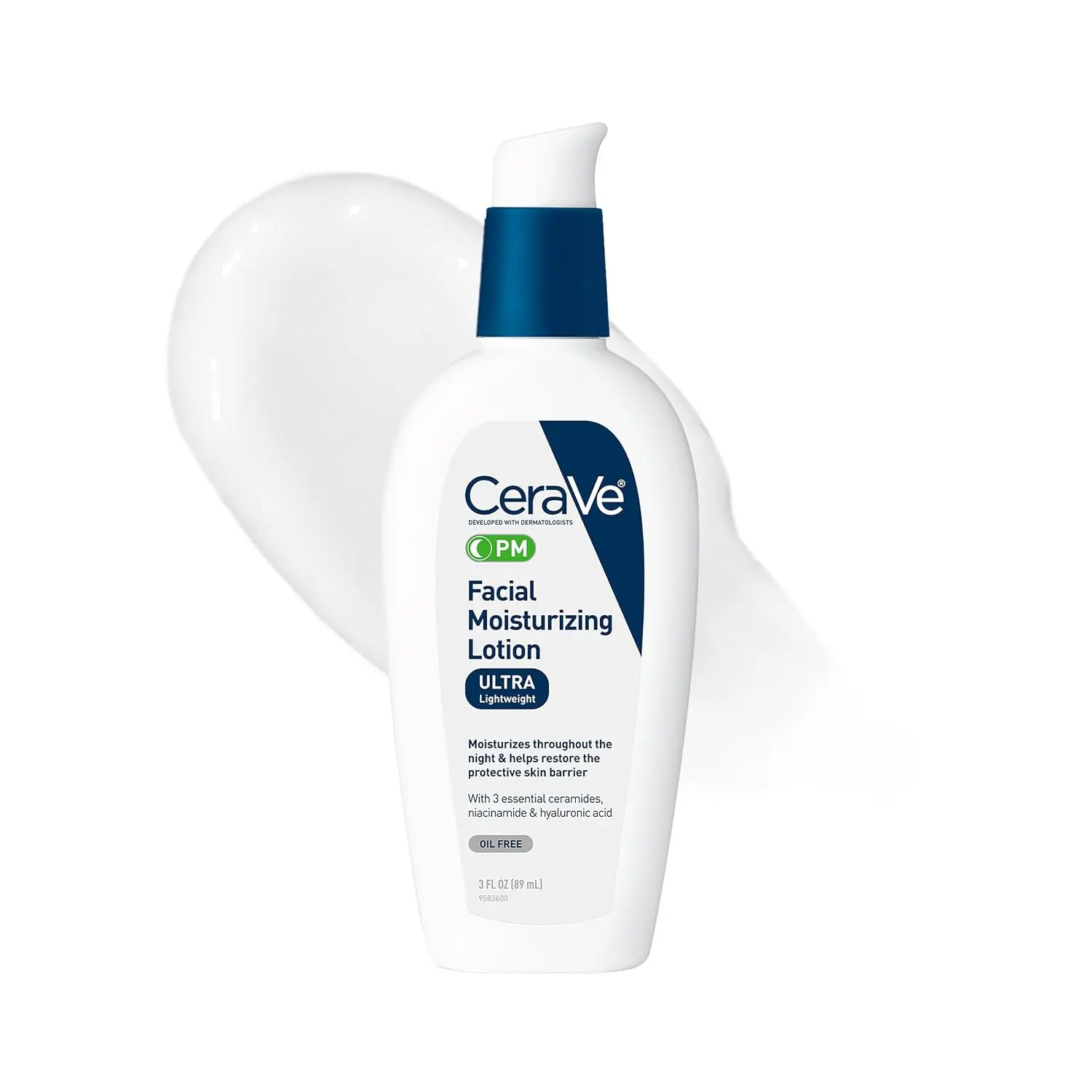
CeraVe PM Facial Moisturizing Lotion
A lightweight recovery moisturizer that works exceptionally well on both active nights and rest nights.
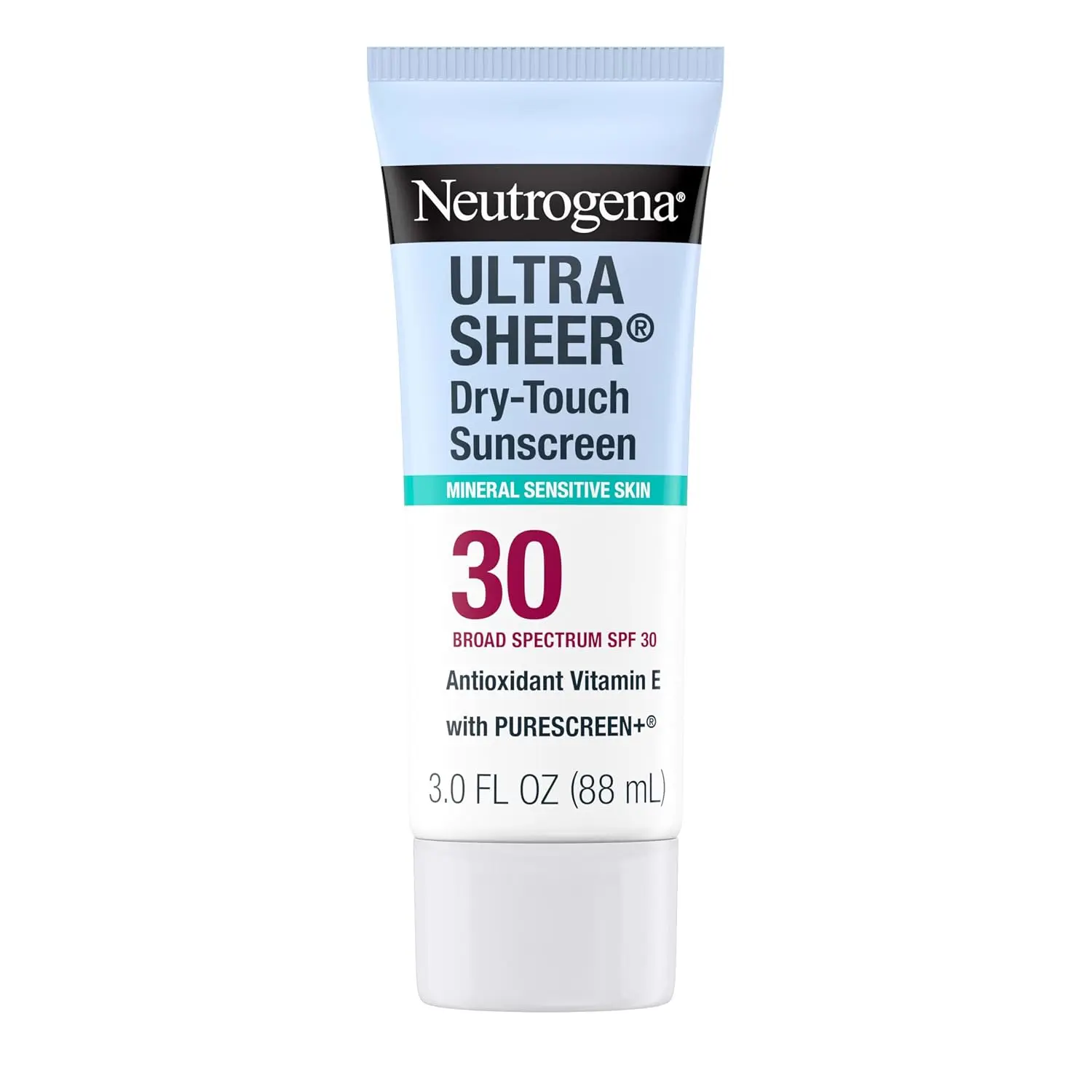
Neutrogena Ultra Sheer Dry-Touch Sunscreen SPF 55
For daytime protection, this formula layers cleanly and supplies reliable broad-spectrum coverage.
Adjustments for Different Skin Types
Sensitive or dry skin usually needs more recovery nights and lower starting frequencies. Oilier or more resilient skin may handle higher frequency sooner. Can you use glycolic acid and retinol together on a tighter schedule once tolerance is clear? Many people can, provided sunscreen stays consistent and any irritation is addressed quickly.
Can You Use Glycolic Acid and Retinol Together? Final Takeaways
Many people keep both ingredients in their routine when they follow alternating nights or clear timing rules. Start slowly, wear sunscreen daily, and change frequency based on how your skin actually feels. Consistent but careful use may support visible improvements in texture and brightness over time. Can you use glycolic acid and retinol together long term? For most users, yes—as long as the spacing rule holds and any irritation is handled promptly. Choose well-rated products that match your tolerance and budget, or check with a dermatologist if you have specific concerns, then build the routine at a pace that feels sustainable.