Disclosure: This post may contain affiliate links. We may earn a small commission at no extra cost to you if you make a purchase through these links. Please read our full Disclaimer for more details.
People asking about niacinamide and peptides together or whether can you mix niacinamide with peptides usually want a practical answer, not a lab report. Standard peptides hold up well with most ingredients when you introduce them thoughtfully. Copper peptides often do better with a little more space. Mixing peptides and retinol works for plenty of people once the skin settles, but strength and timing still decide how comfortable it feels. Results depend on the individual. This is educational only and does not replace advice from a qualified professional.
How Peptides Work and Why Compatibility Matters
Types of Peptides in Skincare
Signal peptides are short chains of amino acids formulated to support the look of smoother texture and firmer skin over weeks of consistent use. Carrier peptides, copper peptides among them, deliver a mineral that may help with repair signaling. Copper peptides react more readily at extreme pH levels than plain signal peptides, which is why compatibility charts treat them differently.
General Stability Considerations
Very low or very high pH, or strong oxidizing agents, can affect peptide integrity in some formulas. Formulation quality and how your skin actually responds usually matter more than rigid rules. Can you mix peptides with niacinamide? In most cases yes. Both sit in a similar pH range and show no clear interference.
Copper peptides and strong acids are one of the pairs most often flagged when people look up what skincare ingredients to not mix. Formulation quality and individual tolerance still matter more than rigid rules.
Can You Mix Niacinamide with Peptides?
Niacinamide and peptides together show no meaningful chemical conflict at typical cosmetic levels. Niacinamide may help keep the barrier more comfortable while peptides focus on the appearance of firmness. Many ready-made formulas already combine them, so separate bottles are optional. Can you mix peptides with niacinamide in the same routine? Yes for most people. Can you mix peptides and niacinamide without special timing? Usually, provided you layer thinner to thicker and watch for unexpected tightness.
Practical Layering Tips
Apply the lighter texture first and give it a minute. A multi-peptide serum that already includes hyaluronic acid, such as The Ordinary Multi-Peptide + Hyaluronic Acid Serum, layers cleanly under or over a niacinamide product and keeps the step simple. Introduce one new product at a time so you can tell what your skin prefers.
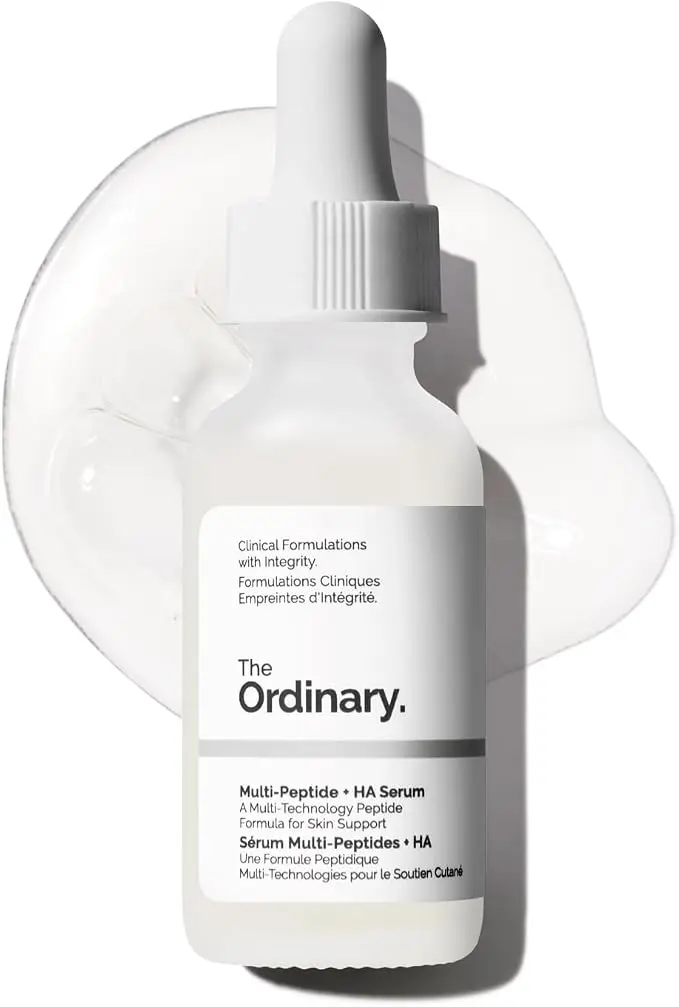
The Ordinary Multi-Peptide + Hyaluronic Acid Serum
A multi-peptide serum that includes hyaluronic acid, layering cleanly and keeping your skincare routine simple.
Mixing Peptides and Retinol: What to Know
Most non-copper peptides can share a routine with retinol when you add them gradually. Both can feel drying at first, so stacking them without a buffer raises the chance of temporary flaking. Copper peptides are a special case. Many people find alternating nights more comfortable because the combination can feel stronger on a barrier that is still adjusting. Mixing peptides and retinol does not cancel the ingredients for most signal peptides, but comfort still depends on strength and frequency.
Can you mix retinol and peptides on the same night? Many do once the skin is used to each one separately. Can you mix peptides with retinol right away? Better to stagger the introduction. Can you mix peptides and retinol without waiting between layers? Possible, but a short absorption window often feels better.
Same Night vs Alternating Nights
One approach is to apply the peptide serum first, wait 10–15 minutes, then follow with retinol. The other is to use them on different evenings. An encapsulated formula tends to release more slowly and may feel gentler in the early weeks. CeraVe Resurfacing Retinol Serum pairs encapsulated retinol with niacinamide and ceramides, which many people find easier to use alongside a separate peptide step than a stronger free-form retinol.
Peptides with Vitamin C and Copper Peptide Considerations
Standard Peptides and Vitamin C
Most standard peptides pair well with vitamin C, including derivatives that sit closer to skin pH. Pure L-ascorbic acid works best in the morning for many routines, while peptides can go morning or night. Can you use vitamin c serum and peptides together? Yes for most non-copper peptides. Can you mix peptides with vitamin c in the same application? Often fine with derivatives. Can you mix peptides and vitamin c without separation? Usually, though morning vitamin C and evening peptides remain a common pattern.
Copper Peptides and Vitamin C
Copper peptides are more sensitive to the low pH of pure L-ascorbic acid. Many sources recommend keeping them apart so the copper complex may stay more stable. Using vitamin C in the morning and copper peptides at night is the approach most people find simplest. Can you mix copper peptides with vitamin c in one step? Most guidance says no for pure ascorbic acid. A copper-focused serum such as The Ordinary Multi-Peptide + Copper Peptides 1% Serum is often reserved for evening use when the morning step already includes a low-pH vitamin C.
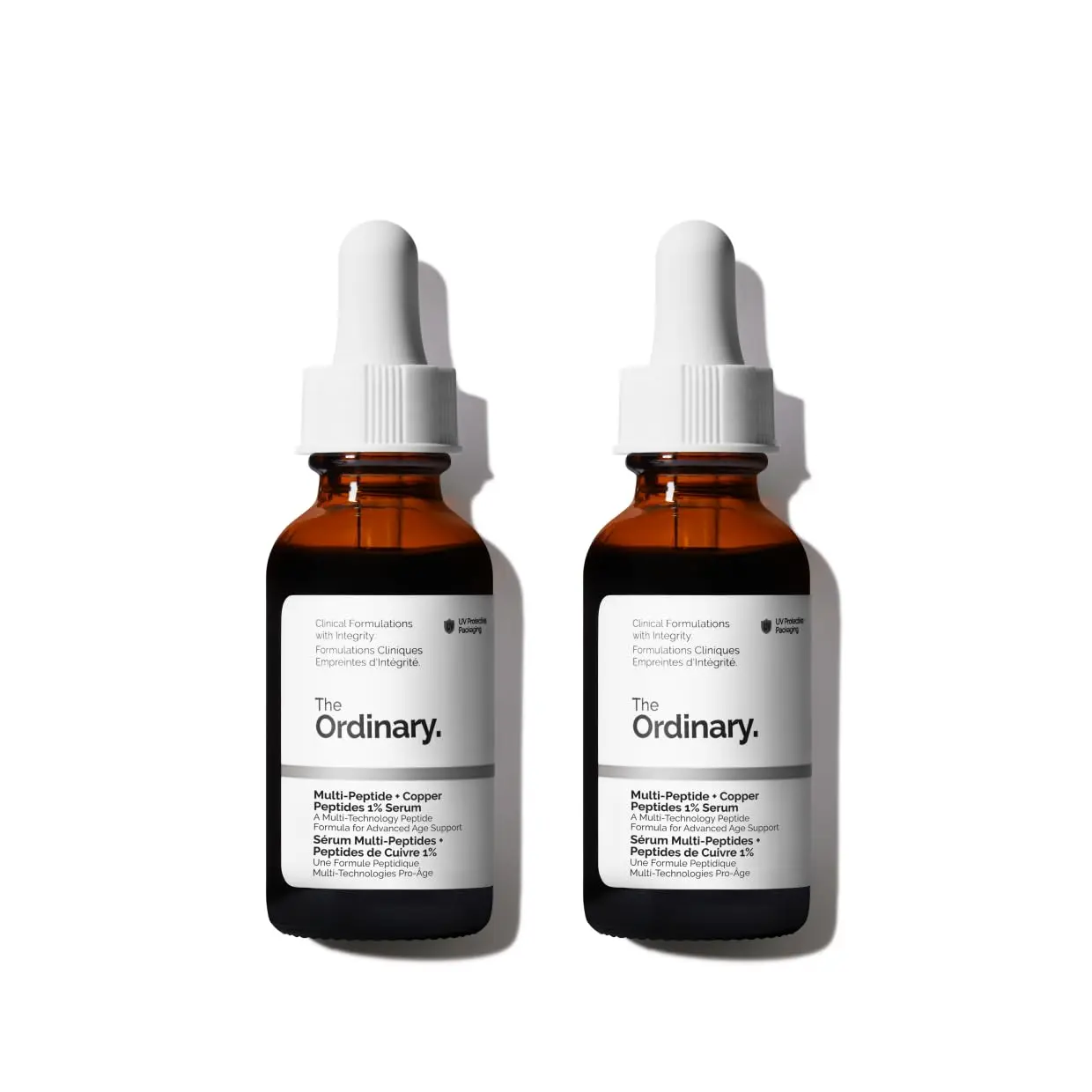
The Ordinary Multi-Peptide + Copper Peptides 1% Serum
A copper-focused serum ideal for evening use to keep copper peptides stable away from low-pH vitamin C.
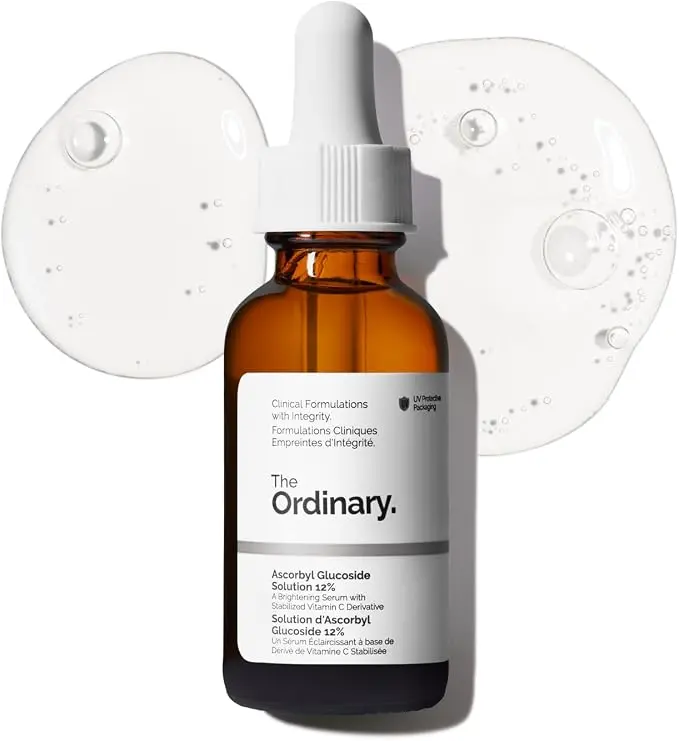
The Ordinary Ascorbyl Glucoside Solution 12%
A stable vitamin C derivative sitting at a milder pH, making it easier to layer alongside peptides.
A stable derivative can be easier to layer for some. The Ordinary Ascorbyl Glucoside Solution 12% sits at a milder pH and may reduce the need for strict separation with standard peptides.
Acids, Salicylic Acid, and Other Actives with Peptides
Salicylic Acid and Strong Acids
Low-pH acids can affect peptide stability in certain formulas, so many people prefer to separate them or allow absorption time. Copper peptides are generally more sensitive to strong acids. Can you use peptides and salicylic acid together? Possible with spacing. Can you mix peptides with salicylic acid in the same step? Often better avoided or buffered. Can you mix peptides and salicylic acid every night? Start with alternating days if your barrier is still adjusting. Can you mix copper peptides with salicylic acid? Most sources suggest separation to limit potential instability and extra irritation.
Hyaluronic Acid Pairing
Hyaluronic acid is highly compatible and may help create a hydrated environment that supports peptide performance. The common sequence is HA on damp skin, then peptides. Can you mix hyaluronic acid with peptides? Yes. Can you mix hyaluronic acid and peptides in either order? HA first on damp skin is the usual preference. A straightforward HA serum such as The Ordinary Hyaluronic Acid 2% + B5 works well under a multi-peptide formula and keeps the layer lightweight.
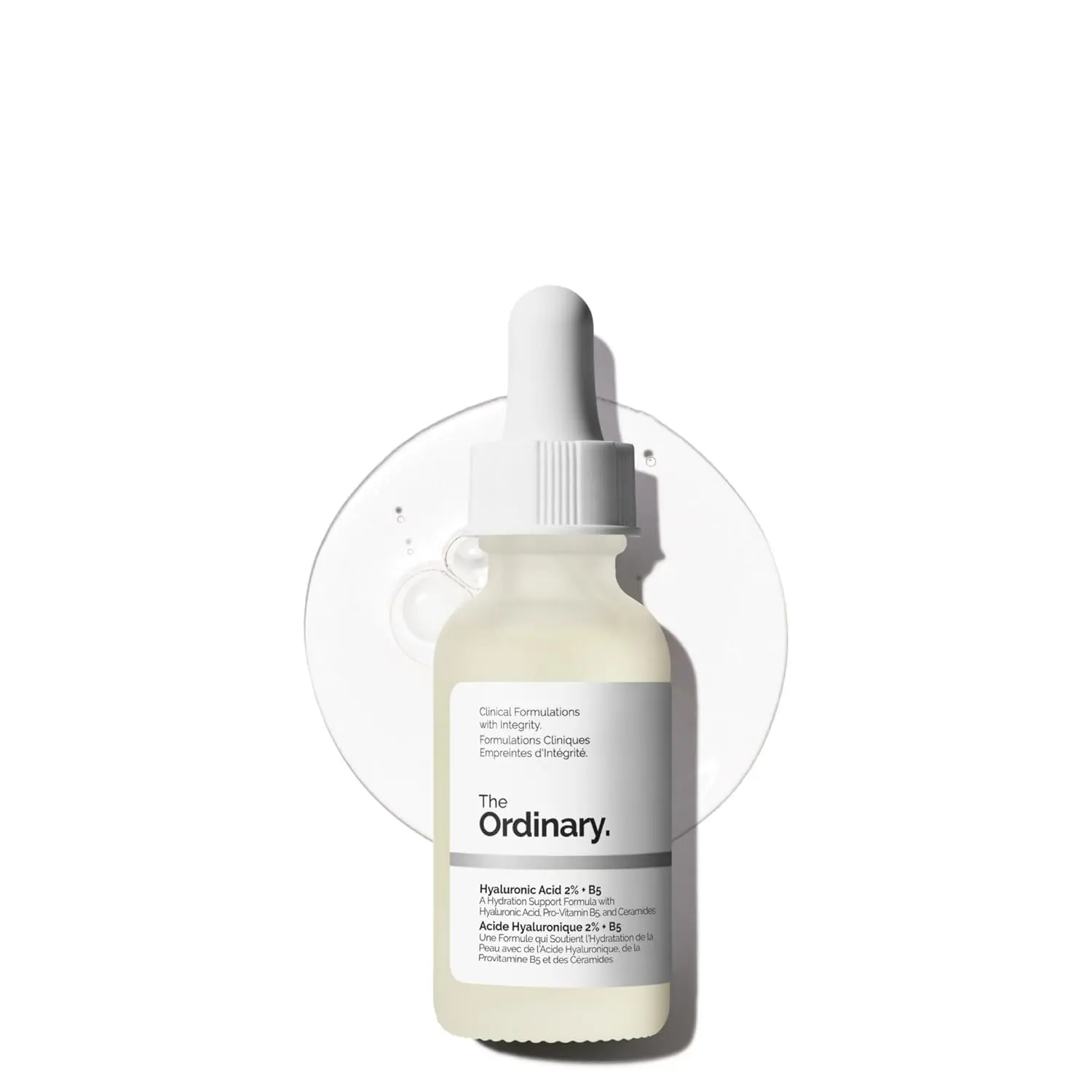
The Ordinary Hyaluronic Acid 2% + B5
A straightforward hydrating serum that works exceptionally well on damp skin under multi-peptide formulas.
Building a Practical Peptides Skincare Routine
A simple morning might start with a gentle cleanse, vitamin C if desired, then a peptide or niacinamide serum, moisturizer, and sunscreen. Evening can feature the peptide step followed by retinol on selected nights, or the reverse with time between them. Gradual introduction matters more than perfection. Persistent irritation or more serious concerns should be discussed with a dermatologist. Can you mix copper peptides with retinol? Many alternate nights or use copper peptides in the morning and retinol at night. Can you mix copper peptides with niacinamide? Yes; they do not share the same pH conflicts.
Seal the routine with a ceramide-rich cream such as CeraVe Moisturizing Cream to help keep the barrier comfortable while the actives do their work.
When to Adjust or Seek Guidance
Persistent stinging after moisturizer, widespread flaking that does not ease, or a shiny tight feeling are signs the combination may be too much right now. Pause the stronger actives and focus on hydration until the skin feels calmer. This remains educational information; individual results vary and professional advice is the better route for personalized plans or ongoing concerns.
Niacinamide and peptides together remain one of the more straightforward pairings for most people, while mixing peptides and retinol succeeds for many when timing and strength are managed carefully. Copper peptides still benefit from separation from low-pH vitamin C and strong acids. Check labels, patch-test new products, and consult a dermatologist when skin concerns go beyond everyday care. Can you mix niacinamide with peptides without trouble? For the majority of users the answer is yes. Build the routine around consistency and barrier comfort rather than stacking every active at once.