Disclosure: This post may contain affiliate links. We may earn a small commission at no extra cost to you if you make a purchase through these links. Please read our full Disclaimer for more details.
Hitting a major wellness goal feels incredible until you look in the mirror and notice unexpected shifts in your facial structure. Dropping pounds often melts away the subcutaneous fat that keeps our faces looking youthful and plump, leaving behind a hollowed or drooping appearance in the mid-to-lower face. If you are noticing sagging cheeks after weight loss, you are experiencing a completely normal physiological response. Navigating these changes does not require panic or drastic measures right out of the gate. We are outlining targeted, non-surgical strategies formulated to visibly firm and restore balance to your profile. Let’s explore realistic, FDA-compliant ways to support your skin’s elasticity and embrace your new look with confidence.
Why Facial Fat Changes When You Drop Pounds
Your face is composed of distinct compartments of fat pads. They sit tightly together during our youth, acting as the structural scaffolding that holds the skin high and taut. When you enter a caloric deficit to shed body weight, your body does not selectively spare your face. It burns energy indiscriminately. The superficial fat pads in the midface are notoriously quick to deplete, and when that scaffolding shrinks, the skin draped over it suddenly has nowhere to go but down.
The Science Behind Cheeks After Weight Loss
Skin laxity and fat depletion are two distinctly different biological mechanisms. Laxity occurs when the structural proteins—collagen and elastin—break down, causing the skin to stretch. Fat depletion is the physical shrinking of the cushion beneath that skin. Looking at the reality of cheeks after weight loss, you are usually dealing with a combination of both. The skin has likely stretched to accommodate previous fat volume, and once that fat vanishes, the skin lacks the inherent elasticity to bounce back immediately.
Understanding Cheek Volume Loss
Time plays a massive role in how our bodies handle rapid changes. As we age, our bodies naturally synthesize less collagen. Age combined with rapid weight reduction accelerates the structural shifts occurring in the midface. Significant cheek volume loss happens faster when weight is lost quickly, giving the skin less time to gradually contract around the changing bone and fat structure.
Targeted Strategies for Sagging Cheeks After Weight Loss
While topical routines cannot replace lost fat, a dedicated regimen can visibly improve skin tightness and hydration, creating a firmer illusion for sagging cheeks after weight loss. Consistent, targeted care builds a stronger skin barrier and encourages an immediately plumper surface appearance.
Topical Skincare That May Help Firm and Plump
Dehydrated skin looks flat. Hydrated skin looks buoyant. Ingredients like hyaluronic acid, peptides, and ceramides are your best tools for encouraging temporary plumping. They are formulated to support moisture retention and smooth fine lines. For an immediate surge of hydration, applying a heavy-hitting humectant like the L’Oreal Paris Revitalift 1.5% Pure Hyaluronic Acid Serum to damp skin acts like a sponge, drawing water to the surface to visibly soften hollow areas. Follow up by sealing that moisture with a peptide-rich cream. Massaging in a supportive formula like the Olay Regenerist Micro-Sculpting Cream Face Moisturizer may help create the look of volume and visibly firm the jawline over time with consistent nightly use.
What to Do About Cheeks Losing Volume
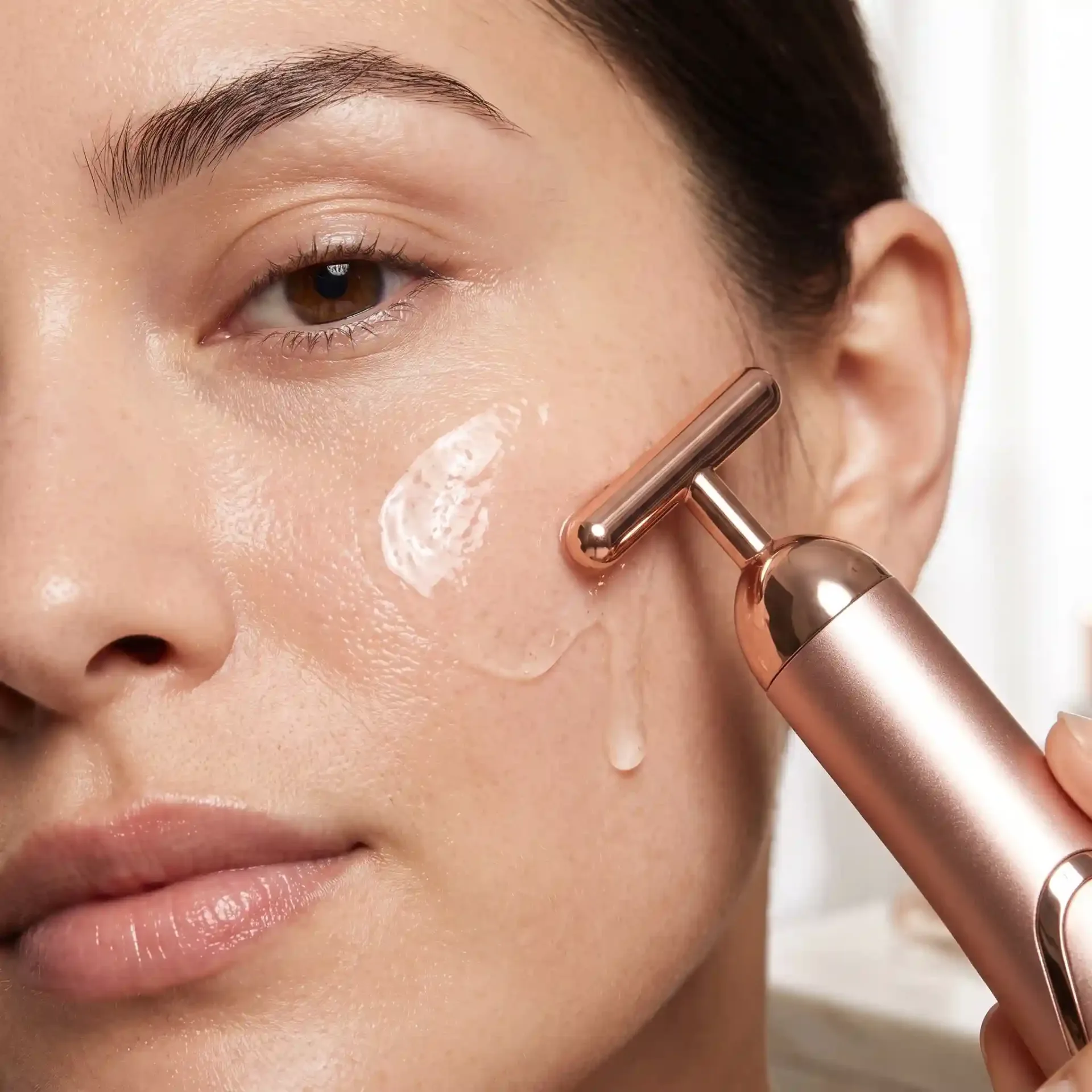
Skincare handles the surface, but devices target the muscle. When figuring out what to do about cheeks losing volume, incorporating facial massage and microcurrent technology can make a noticeable difference. Microcurrent devices send low-level electrical currents into the facial muscles, essentially giving them a mild workout. This temporary tightening helps the face appear more lifted and toned. Integrating an FDA-cleared tool like the NuFACE Trinity Starter Kit into your morning routine takes only a few minutes but provides a visible, albeit temporary, contour to deflated areas.
Exploring Lower Face Volume Loss Treatment Options
Sometimes topical care and at-home tech hit a plateau. When that happens, non-surgical clinical modalities step in. Navigating a lower face volume loss treatment plan requires realistic expectations and professional guidance from dermatologists or licensed estheticians who specialize in structural facial anatomy.
Addressing the Loss of Volume in Lower Face
Professional treatments leverage advanced technology to stimulate deeper tissue. Radiofrequency (RF) and ultrasound therapy generate controlled heat beneath the skin’s surface, formulated to support the body’s natural collagen production over several months. Cosmetic injectables, like hyaluronic acid fillers or biostimulators, are also heavily utilized to replace depleted fat pads physically. Please note: addressing the loss of volume in lower face clinically is highly individualized. Readers should always consult a board-certified dermatologist to discuss risks, benefits, and customized treatment plans. This content is strictly for educational purposes and does not constitute medical advice.
Creating the Illusion of Lost Volume in Cheeks
Makeup is the fastest, most effective way to fake structural lift. Harsh contours pull the face down, so modern techniques focus entirely on light and strategic color placement. You can effortlessly mask the appearance of lost volume in cheeks by switching from powder to cream formulas, which mimic the dewy, plump texture of youthful skin. Dabbing a hydrating flush of color using the e.l.f. Monochromatic Multi Stick high on the cheekbones—rather than the apples of the cheeks—pulls the visual focus upward. To finish the effect, blend a liquid illuminator like the L’Oreal Paris True Match Lumi Glotion just above the blush line to reflect light and instantly mimic the fullness of a rounded cheek.
The Jowl Dilemma: Do You Really Lose Weight Lose Jowls?
It is the most common question floating around aesthetic wellness circles. If you just push a little harder and drop another ten pounds, will the lower face tighten up? In other words, do you actually lose weight lose jowls, or does it backfire?
The answer depends entirely on gravity and skin elasticity. Jowls are formed by a combination of descending fat pads and loose skin collecting along the jawline. If your jowls are primarily composed of excess fat, further weight reduction may help diminish their size. However, if your jowls are predominantly caused by stretched skin that has lost its elastic recoil, losing more underlying fat will likely make the sagging appear more prominent. The skin simply loses the remaining volume propping it up.
Conclusion
Facial changes are a completely normal, expected part of transforming your body. You do not have to settle for feeling disconnected from your reflection. By utilizing a multi-pronged approach that blends barrier-supporting skincare, at-home facial tools, strategic makeup techniques, and professional dermatological guidance, you can effectively manage lower face hollowing. Embrace the incredible wellness journey you are on. Caring for your skin is simply the next phase of that self-care, giving you the tools to expertly address sagging cheeks after weight loss while confidently putting your best face forward.