Disclosure: This post may contain affiliate links. We may earn a small commission at no extra cost to you if you make a purchase through these links. Please read our full Disclaimer for more details.
Nothing ruins a morning faster than applying your favorite moisturizer, only to have your face suddenly feel like it’s on fire. That intense, out-of-nowhere stinging is a massive red flag. You are likely dealing with a damaged skin barrier. This invisible lipid matrix is your skin’s frontline security system. When it cracks, moisture escapes and environmental aggressors flood in. We are going to strip your routine back to basics. It’s time to rebuild that protective seal so your complexion can finally calm down and hold onto hydration again.
What Is the Skin Barrier (and Why Does It Matter)?
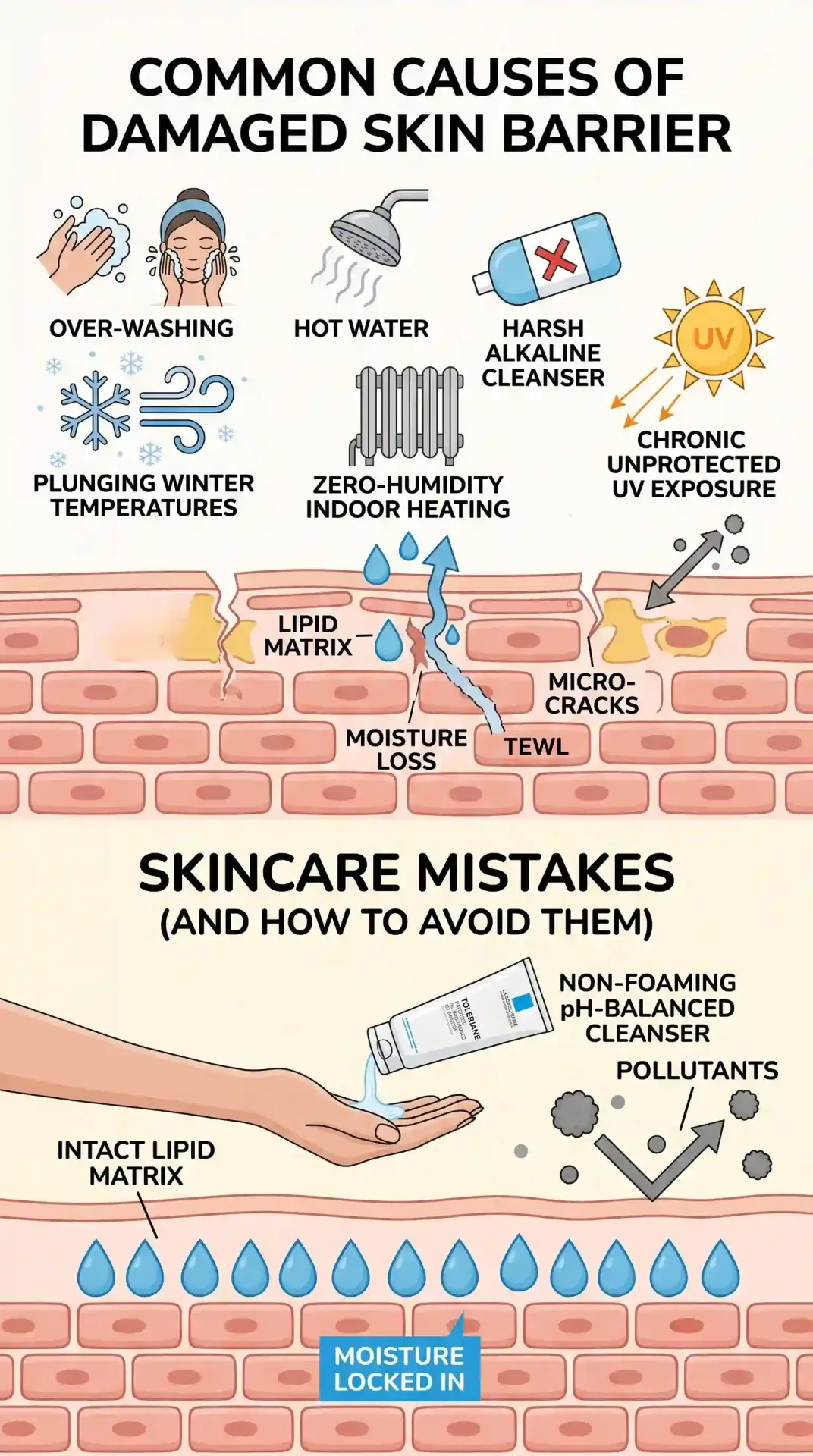
Think of your outer layer of skin like a microscopic brick wall. Dermatologists and cosmetic chemists literally refer to this as the “brick and mortar” model of the stratum corneum. The corneocytes—which are hardened, dead skin cells—act as the sturdy bricks. Surrounding them is the mortar. This mortar consists of a highly specific blend of crucial lipids: ceramides, cholesterol, and free fatty acids. Together, these elements form the topmost protective layer of your epidermis.
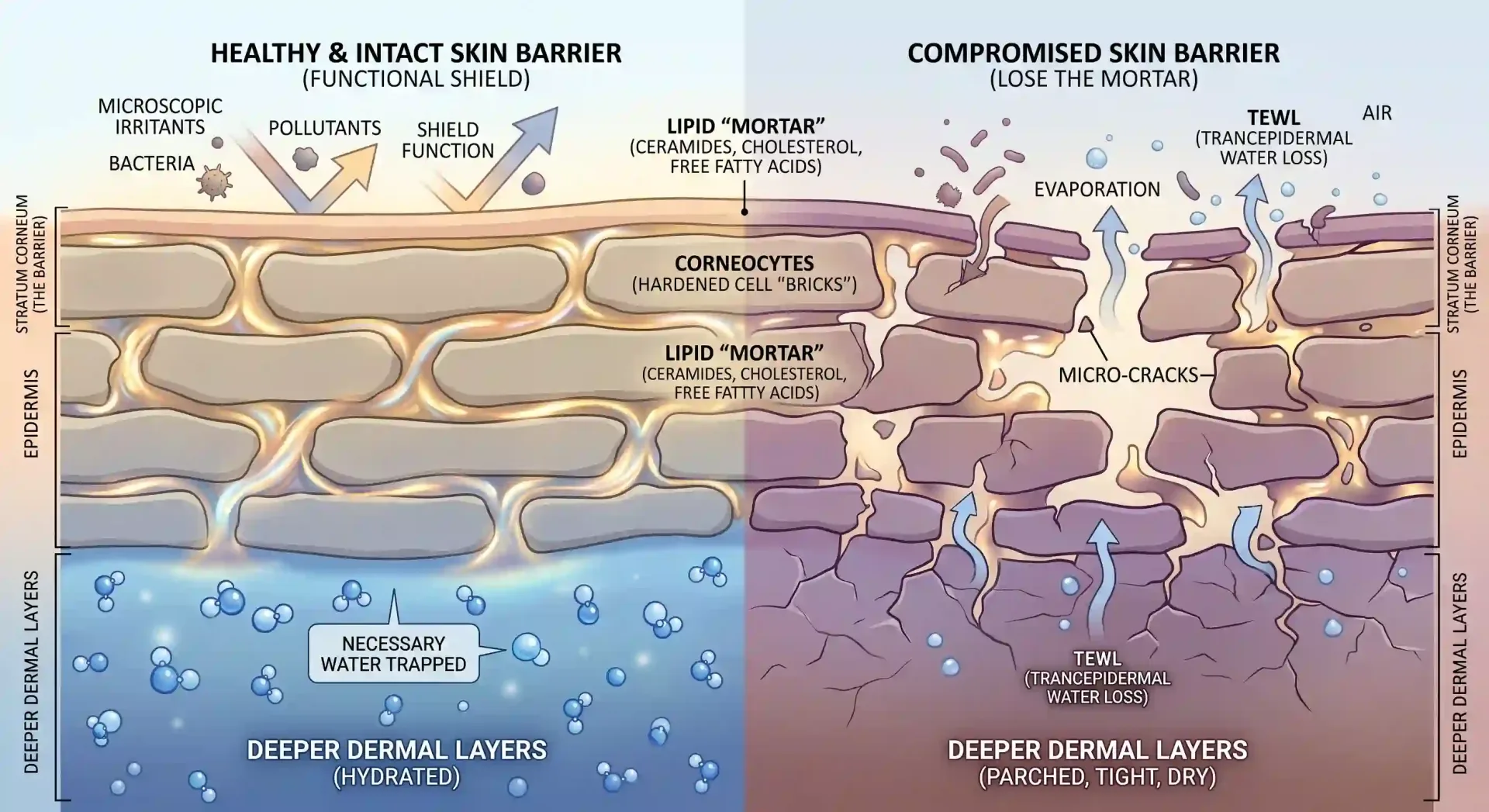
When that biological wall is solid and fully intact, your complexion thrives. It effectively traps necessary water inside the deeper dermal layers. Plump. Hydrated. Resilient. A healthy barrier functions as a sophisticated shield. It keeps microscopic irritants, aggressive environmental pollutants, and harmful bacteria firmly locked out of your body. Lose that mortar, though, and the entire structure gets compromised. Micro-cracks begin to form across the surface. Vital hydration simply evaporates into the surrounding air—a process known clinically as transepidermal water loss (TEWL). The result is a complexion that feels chronically parched, painfully tight, and desperately dry, regardless of how many glasses of water you drink.
Recognizing the signs of damaged skin barrier
Your face rarely stays quiet when its primary defense system collapses. It sounds the alarm loudly. The visual and physical reactions are immediate, highly uncomfortable, and impossible to ignore.
How to tell if your skin barrier is damaged?
Pay close attention to the daily sensory cues. Does a normally gentle serum suddenly bite? That immediate stinging or burning sensation is a classic giveaway. You might also notice severe tightness immediately after stepping out of the shower. It feels like your skin is stretched one size too small. Look closely in the mirror. Flaking around the nose and mouth often appears, making makeup application a nightmare as foundation clings to dry patches. Visible redness and an entirely dull, rough texture usually follow. The overall look is irritated, angry, and completely depleted of its natural glow.
Damaged Skin Barrier vs Acne
Misdiagnosing the issue is incredibly common. People see texture and immediately assume they are breaking out. There is a distinct, vital difference here. Hormonal or bacterial acne typically presents as distinct pustules, blackheads, or deep, cystic bumps. Barrier disruption triggers a totally different reaction. You will likely see tiny, surface-level red bumps or a sandpaper-like rash concentrated on the cheeks or forehead. These irritation-induced spots rarely come to a whitehead. They just sit there. Red. Itchy. Inflamed. Treating this superficial inflammation with heavy acne medications will absolutely make the situation worse, stripping the skin further and increasing the irritation.
Common causes of damaged skin barrier
Why does this microscopic damage happen in the first place? Often, we unwittingly do it to ourselves in the pursuit of perfection. Other times, the environment does it for us. Severe weather swings play a massive role in lipid degradation. Plunging winter temperatures combined with the zero-humidity blast of indoor heating can pull moisture directly out of your face in minutes. Chronic unprotected UV exposure also degrades those essential skin lipids over time, weakening the overall matrix. Furthermore, long, steaming hot showers might feel incredible on a cold morning, but hot water practically melts away your natural protective oils.
Skincare Mistakes and Stripping Ingredients
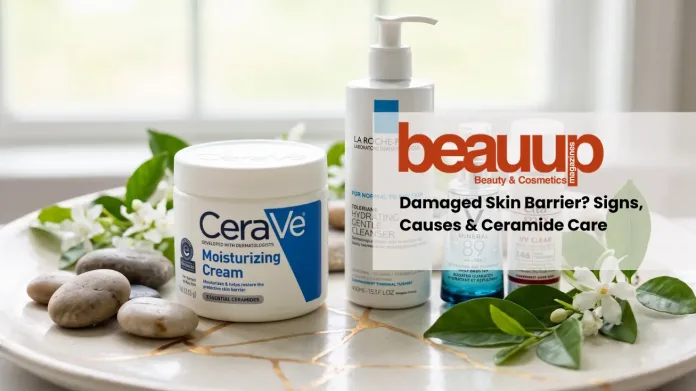
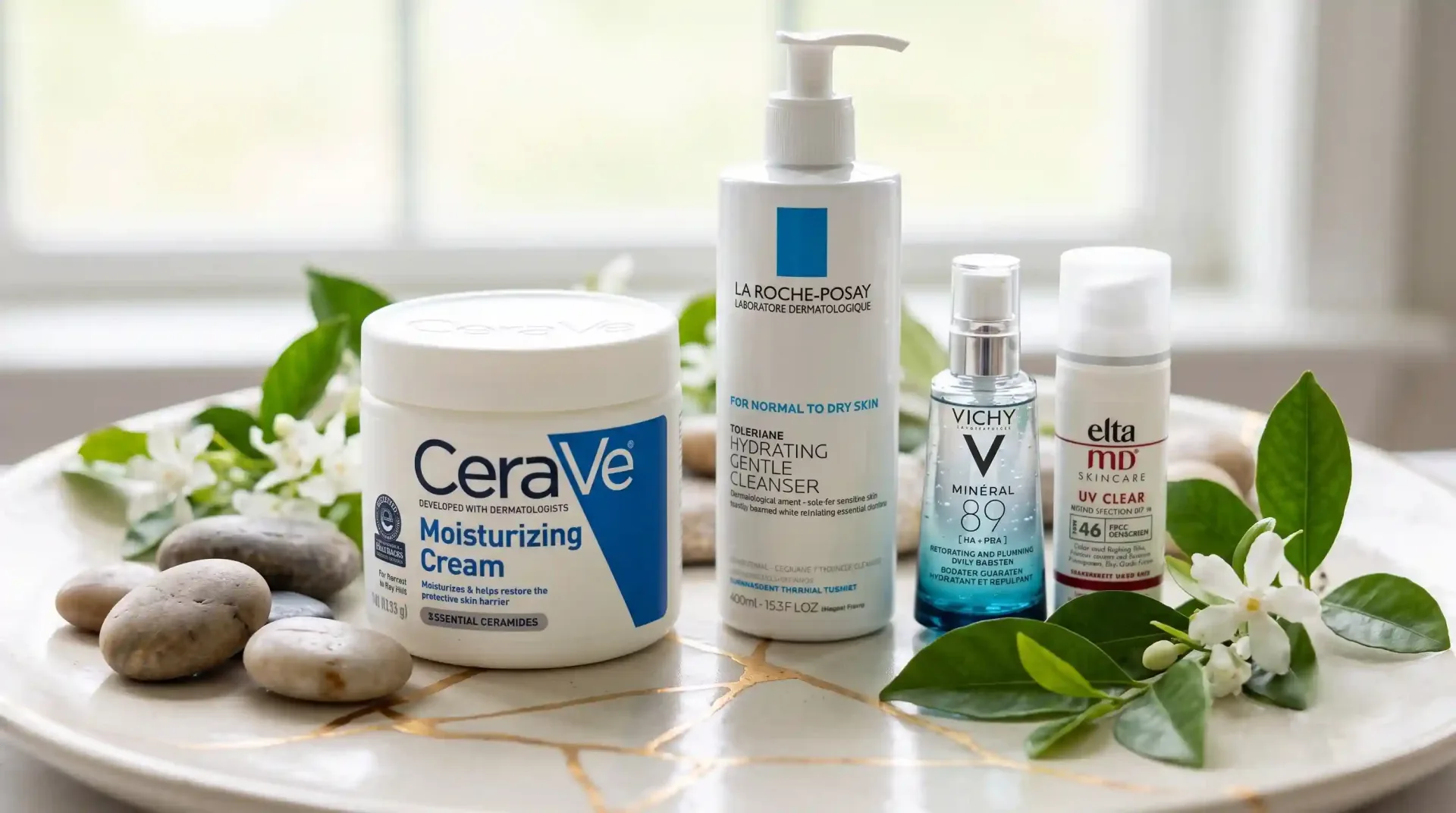
Our modern obsession with achieving “squeaky clean” skin is undeniably the primary culprit. Highly alkaline cleansers absolutely obliterate the skin’s naturally acidic pH balance. When you wash twice a day with aggressive, foaming formulas, you ruthlessly strip away the natural sebum required to keep the acid mantle intact. Stop this harmful cycle today. Swap out the harsh foaming gels immediately. Reaching for a non-foaming, pH-balanced option like the La Roche-Posay Toleriane Hydrating Gentle Cleanser can help visibly calm the skin while gently removing daily grime, pollution, and makeup without stripping away your vital moisture reserves.
How to Soothe and Care for a damaged skin barrier
When everything hurts, your routine needs a hard reset. Welcome to skin fasting. Less is infinitely more right now. Your goal isn’t to force cellular turnover. Your goal is intense, unbothered healing. Give your face permission to rest.
How to repair damaged skin barrier from over exfoliating
Over-exfoliating is the absolute fastest route to a deeply compromised complexion. If you’ve been double-dosing on glycolic acid toners, heavy retinoids, and potent vitamin C serums, you need to hit the brakes right now. Step one: banish all active ingredients. Put the AHAs and BHAs in a dark drawer. For the next few weeks, your daily routine should consist only of a mild cleanser, a basic hydrating step, and a rich moisturizer. To safely replenish lost water deep within the epidermis without triggering further sensitivity, weaving a minimalist, fragrance-free formula like the Vichy Minéral 89 Hyaluronic Acid Serum into your damp skin immediately post-cleanse may help restore visible plumpness and calm irritation. Keep the steps incredibly minimal.
The Power of ceramides for skin
This brings us to the ultimate recovery ingredient. Topical ceramides are the gold standard for structural repair. Remember that “mortar” holding the bricks together? Roughly fifty percent of that mortar is made of natural ceramides. When you apply them topically, they beautifully mimic your skin’s natural lipids. They fill in those microscopic cracks. Because they are skin-identical, they don’t just sit on the surface. They integrate. When dealing with a damaged skin barrier, introducing these specialized lipids is essentially like applying biological superglue to your complexion. They help visibly replenish moisture and support the long-term resilience of the stratum corneum, ensuring your skin can defend itself once again.
Formulations to Look For: The best ceramide cream for damaged skin barrier
Not all moisturizers are created equal. You need formulations explicitly designed for recovery. Look for strictly fragrance-free options. Essential oils and synthetic perfumes will only sting a fragile face. You also want a product that blends ceramides with cholesterol and fatty acids, as this trio mimics the natural skin structure perfectly.
CeraVe Moisturizing Cream
Vanicream Daily Facial Moisturizer
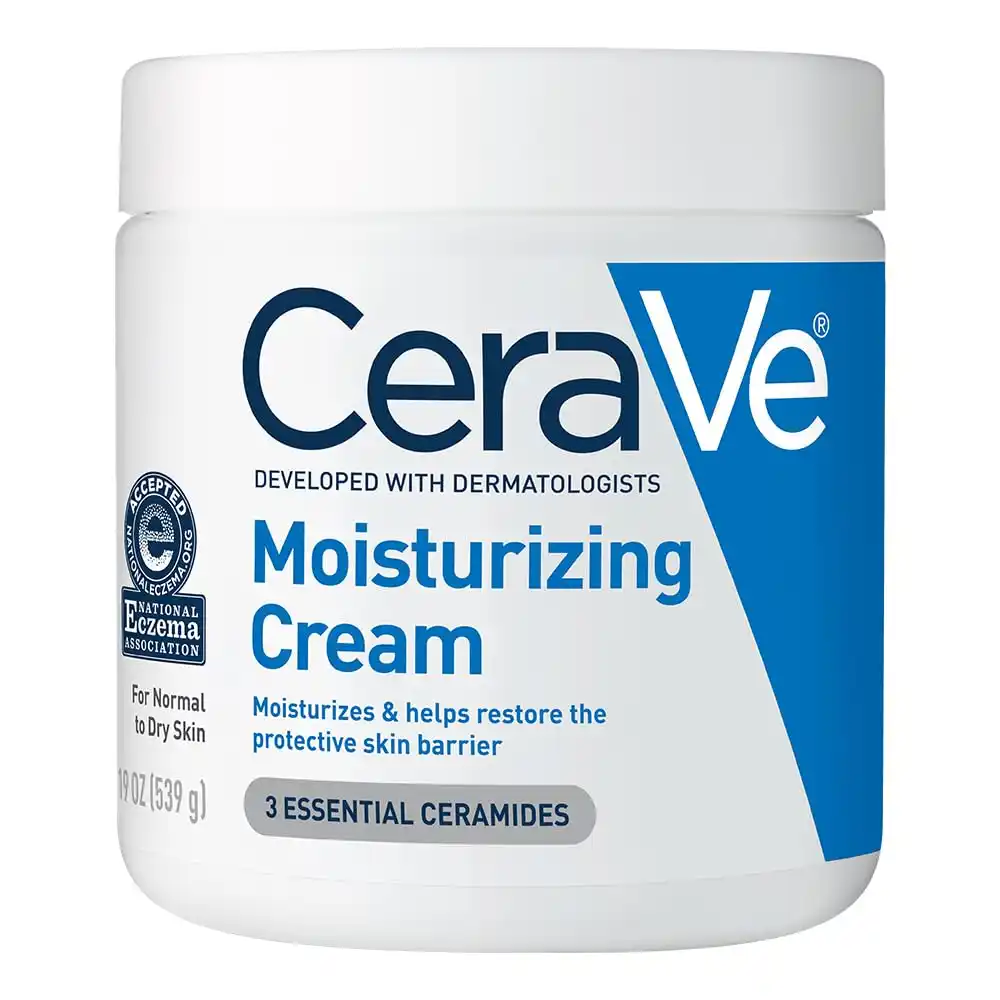
If your face is profoundly dry, flaky, and screaming for relief, you need a heavy-hitting texture. Locking in moisture with a rich, occlusive balm like CeraVe Moisturizing Cream is a highly effective way to physically shield the skin while the ceramide complex goes to work beneath the surface.
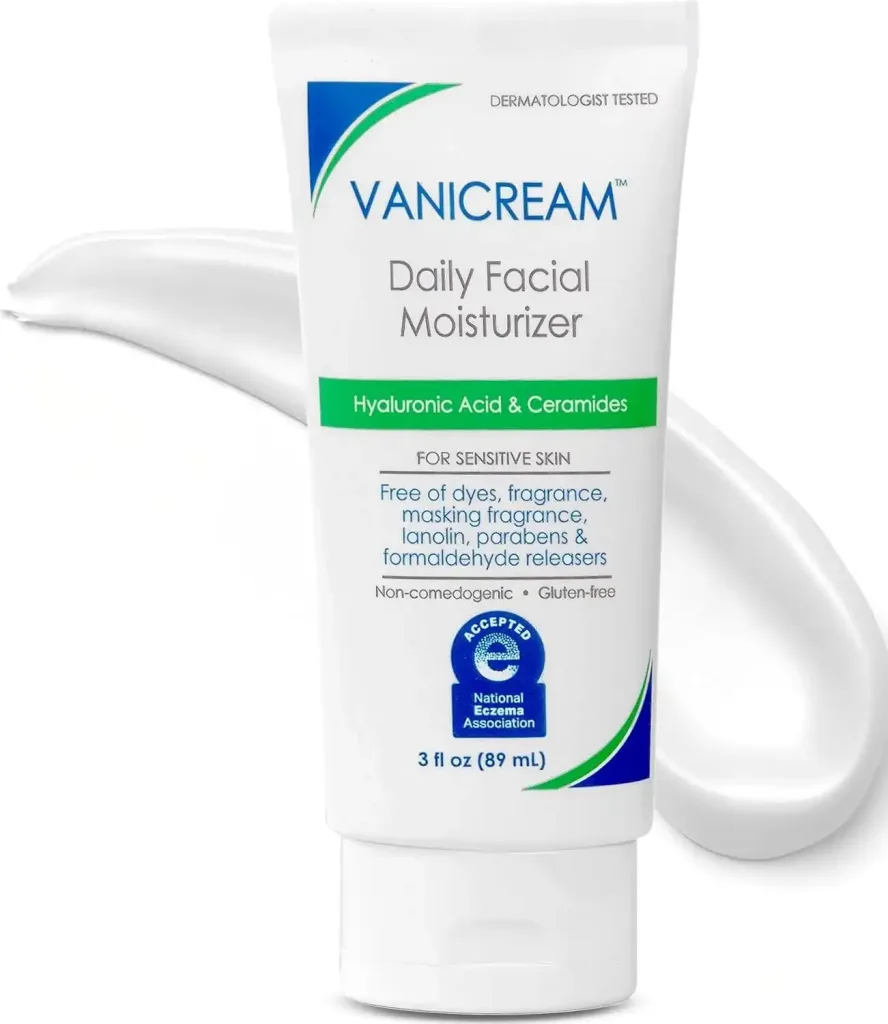
What if you are oily or acne-prone? You still need barrier support, but heavy balms might feel suffocating. A deeply hydrating but non-comedogenic option like the Vanicream Daily Facial Moisturizer delivers those crucial ceramides in a lightweight format that won’t clog your pores or leave a greasy finish.
Skin barrier repair Timelines and Expectations
Patience is a non-negotiable requirement when undertaking this repair journey. Your skin requires a specific, uninterrupted biological cycle to heal itself properly. You simply cannot speed run this physiological process. Daily sun protection is also vital during this delicate phase, as harsh UV rays actively delay lipid synthesis and create more inflammation. Using a gentle, mineral-based or hybrid option like the [INSERT AFFILIATE LINK: EltaMD UV Clear Face Sunscreen] may help protect the fragile new skin cells without causing further irritation or chemical stinging.
How long does it take to repair skin barrier?
The timeline varies wildly depending on the extent of the damage. You will likely feel a physical difference very quickly. That awful stinging and tightness often subside within three to four days of starting a strict skin fast. Full structural recovery, however, takes much longer. Expect a fully, visibly restored barrier to take anywhere from two to four weeks—roughly the length of a standard cellular turnover cycle. Severe cases from chemical burns or intense retinol misuse might take upwards of six weeks. Stick to the gentle routine. Do not rush back to your exfoliants just because the redness faded.
Conclusion: Your Path to a Healthier-Looking Complexion
Rebuilding a compromised complexion comes down to radical simplicity. Strip back the intricate ten-step routine. Prioritize pure, soothing hydration. Rely heavily on ceramide-rich formulations to gently patch the structural cracks in your acid mantle. A damaged skin barrier does not have to be a permanent setback. With a little patience, strict consistency, and a temporary ban on harsh actives, your face is formulated to naturally recover its resilience. Drop a comment below to share your favorite barrier-supporting products, or check out our related guides on gentle cleansing techniques to keep your complexion consistently happy!