Disclosure: This post may contain affiliate links. We may earn a small commission at no extra cost to you if you make a purchase through these links. Please read our full Disclaimer for more details.
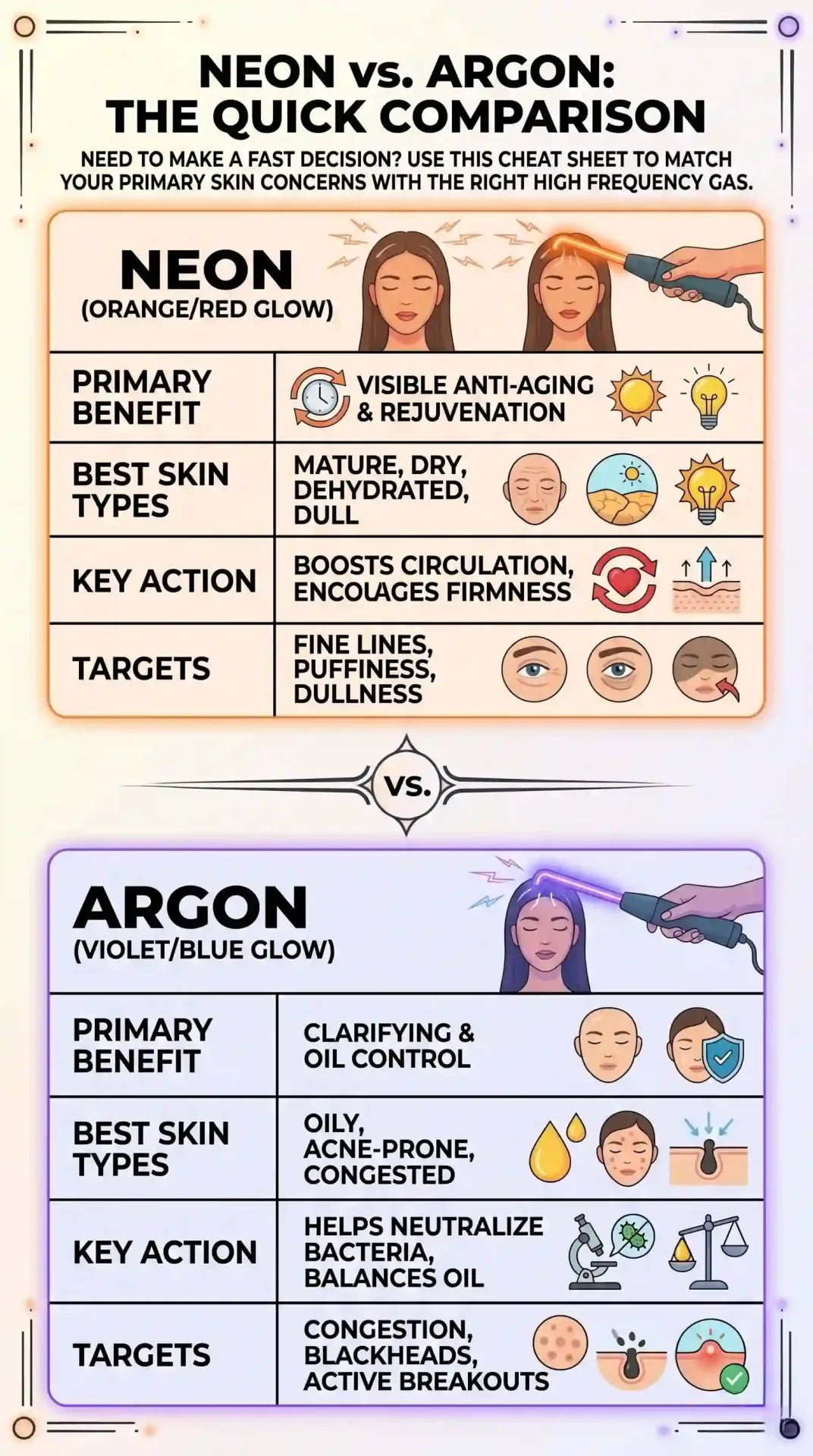
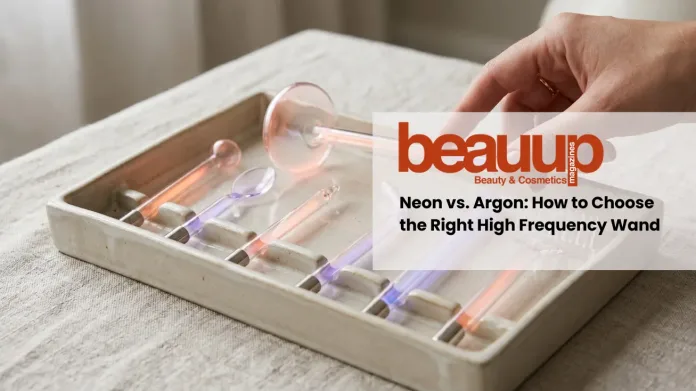
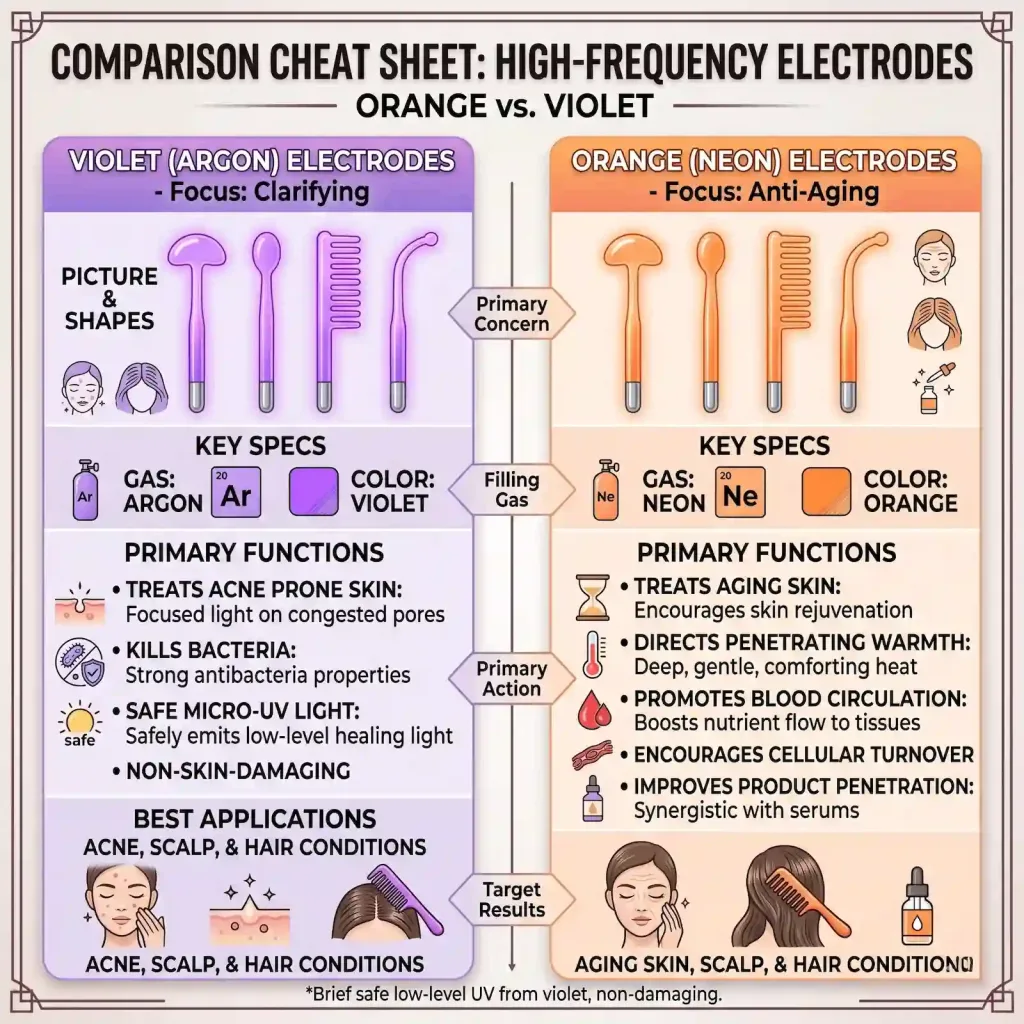
You have inevitably seen them buzzing across your social media feeds. Sleek glass electrodes emitting a mesmerizing glow are rapidly transitioning from exclusive spa upgrades to everyday bathroom staples. Getting that professional-level clarity at home is incredibly appealing, but the checkout process introduces an immediate technical hurdle. Deciding on the right neon vs argon high frequency wand comes down to understanding the distinct properties of the gas trapped inside the glass. The violet glow traditionally targets oily, congested complexions, while the warm orange light focuses on visible signs of aging and dullness. Let’s strip away the marketing noise and break down exactly which tool your skincare routine actually requires.
What is High-Frequency Skincare? (The Tech Explained Safely)
To appreciate what these glowing tools actually do, we need a brief history lesson. The technology stems from the late 1800s when Nikola Tesla first developed oscillating alternating currents. Fast forward a few decades, and the aesthetic industry realized this gentle electrical current had profound cosmetic applications.
When you turn the device on, electricity travels through a specialized glass electrode filled with an inert gas. As the glass touches the ambient air just millimeters above your face, it converts surrounding oxygen into ozone (O3). This oxygenating effect is the core mechanism behind the glow. The foundational high frequency wand benefits stem from this exact process—delivering a rush of oxygen to the skin’s surface while creating a subtle thermal warmth.
It is vital to recognize that machines designed for an at-home high frequency facial operate at a significantly lower, safer wattage than the bulky setups you see in a dermatologist’s office. This intentional drop in power ensures you can experience the cosmetic perks without the elevated risks of professional-grade electrical currents.
The Orange Ray: Neon Gas for Rejuvenation & Aging Skin
Swap the attachment, and you might see a warm orange or red glow. That is neon gas. When it comes to visible rejuvenation, utilizing neon high frequency for anti-aging is a classic industry secret.
Cellular turnover notoriously slows down as we get older. The result is a complexion that feels dull, sluggish, and lacking its former bounce. Neon produces a stronger thermal effect within the tissue compared to its violet counterpart. This localized, gentle heat encourages a rush of blood circulation, bringing fresh oxygen and nutrients directly to the skin’s surface.
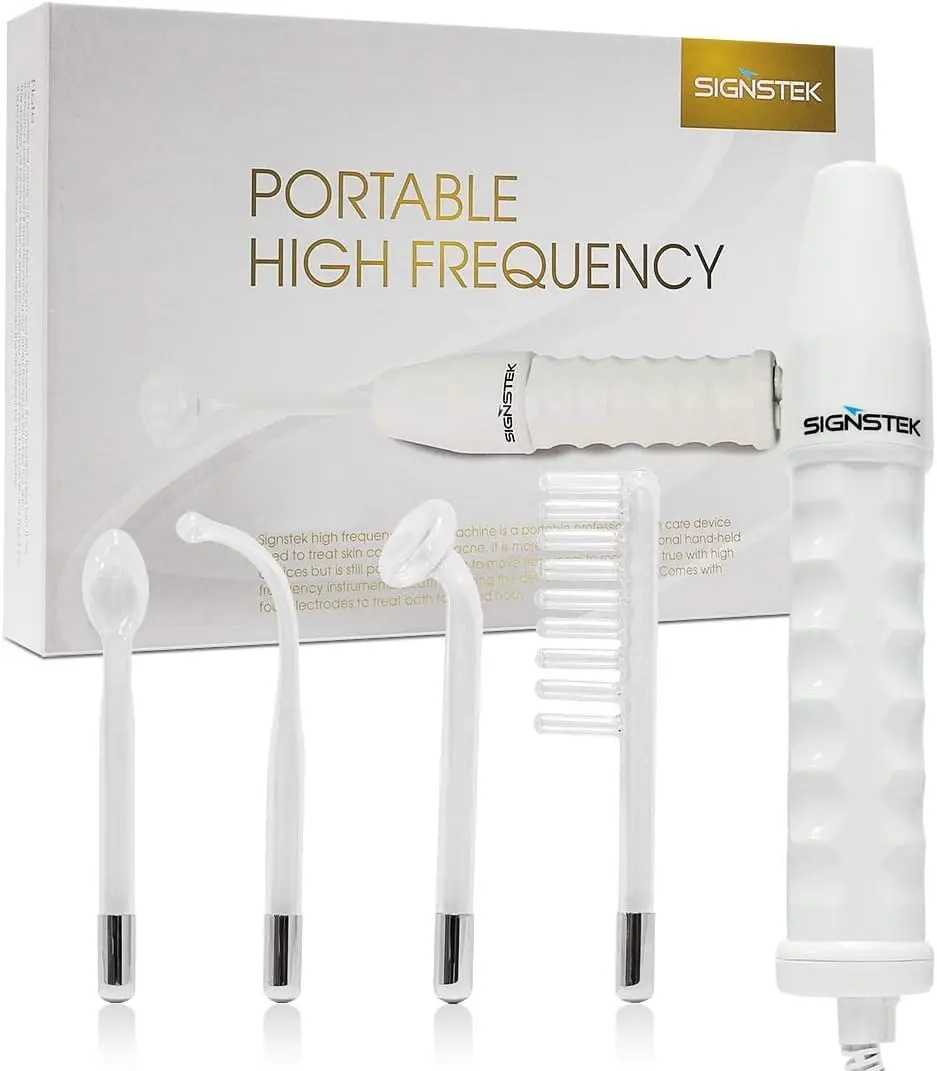
The immediate cosmetic result is a temporary but highly visible “flush” and a plumper, firmer appearance. The gentle massaging action also supports lymphatic drainage, helping to soften the look of morning puffiness and fine lines around the eyes. For those whose routine is entirely focused on restoring a youthful glow, picking up the Signstek High Frequency Facial Machine is a brilliant, budget-friendly way to introduce that warming thermal magic into your nightly ritual.
The Neon vs Argon High Frequency Wand Debate: Can You Combine Them?
Skincare is rarely a single-issue game. You might fight hormonal congestion along your jawline while trying to address dullness on your cheeks. Do you really have to choose just one? Not at all.
Professional estheticians mix and match these electrodes constantly. The most effective at-home strategy is targeted zoning. Apply the purifying violet light exclusively to your breakout-prone areas to manage oil. Then, swap the attachment and glide the warming orange light over your forehead and neck to support visible firming.
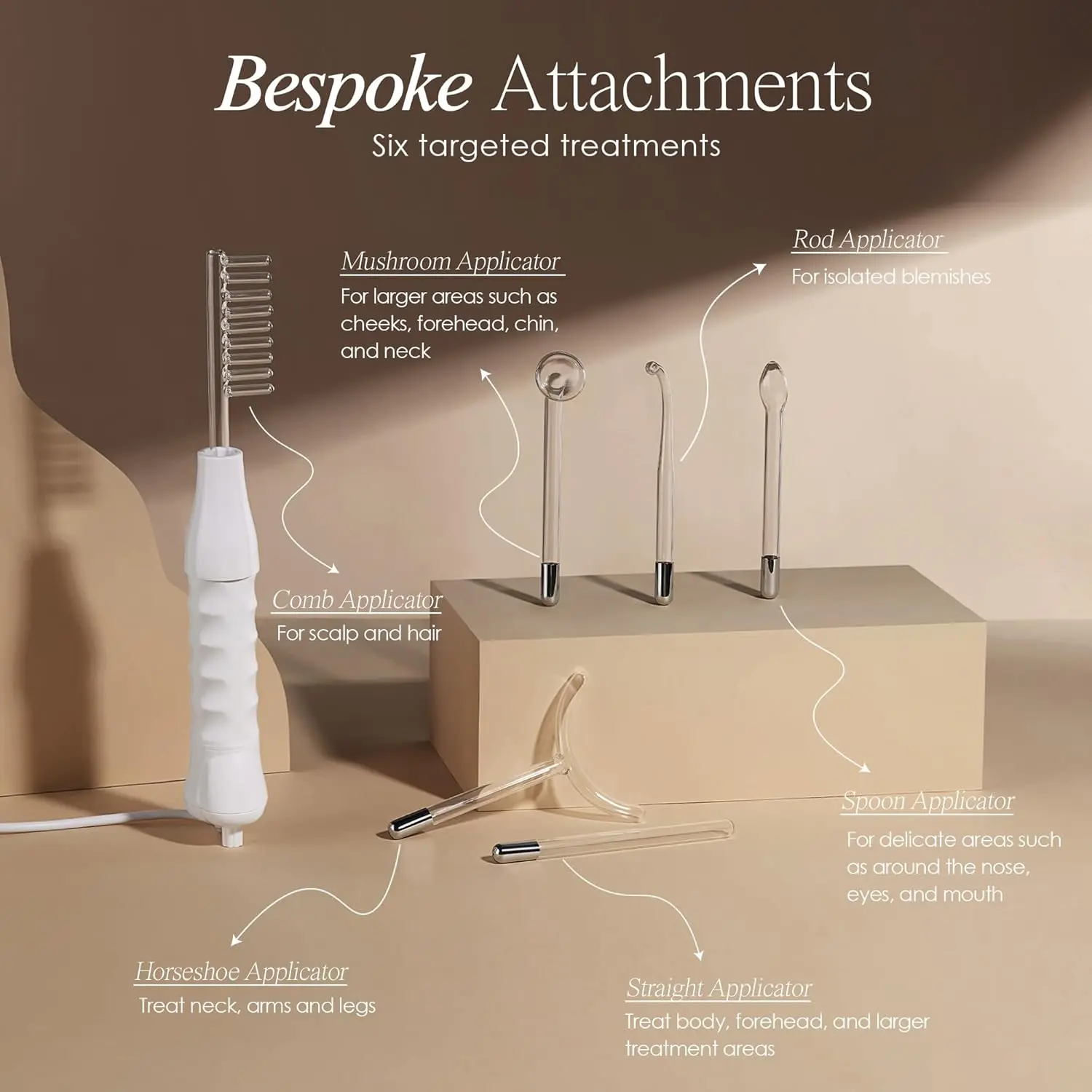
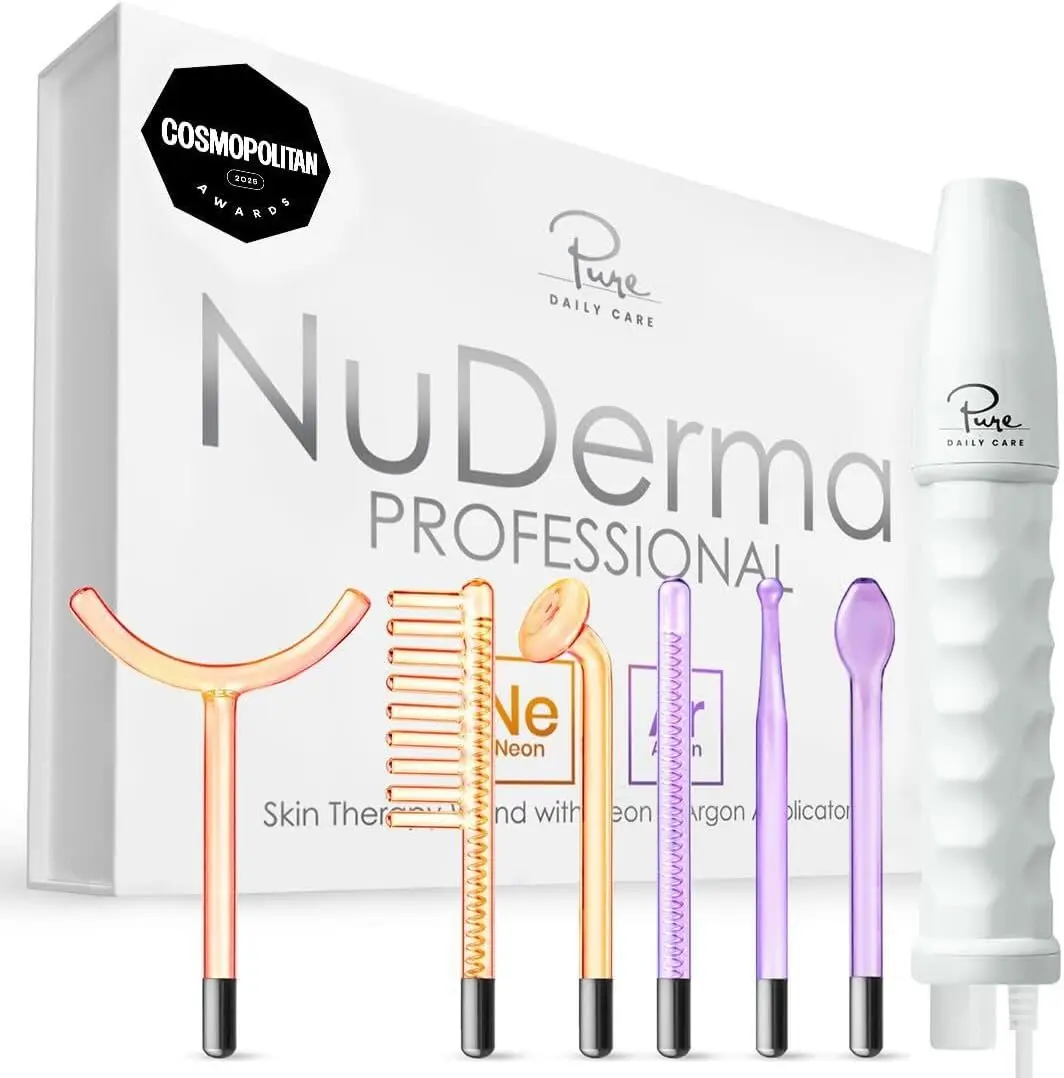
You don’t necessarily have to pick a strict winner in the neon vs argon high frequency wand face-off. You can easily utilize both argon and neon in the exact same session. Investing in a comprehensive setup like the NuDerma Clinical Skin Therapy Wand provides an entire wardrobe of both applicators in one sleek package, giving you total flexibility.
Step-by-Step: How to Safely Use a High Frequency Wand at Home
Executing this treatment correctly is the difference between glowing skin and an irritated barrier. Learning exactly how to use a high frequency wand safely ensures you maximize the cosmetic benefits without unintended side effects.
- Step 1: Clean & Dry. Start with a blank canvas. Your skin must be immaculately clean. Remove all makeup and surface oils. Avoid any alcohol-based toners, AHAs, or BHAs right before a session. You want a smooth glide, so applying a thin layer of a safe, water-based hydrator like the L’Oreal Paris Revitalift 1.5% Pure Hyaluronic Acid Serum creates the perfect conductive slip without risking flammability. Alternatively, place a piece of clean, dry aesthetic gauze over your face.
- Step 2: Grounding. Never just jab the live wand onto your cheek. Place your index finger directly on the glass electrode. Touch the glass to your face, and then release your finger. This grounding technique prevents that startling little static “zap” upon initial contact.
- Step 3: Gliding vs. Sparking. Keep the wand moving. Glide it in small, continuous circular or upward motions across your face. If you have a stubborn blemish, you can use the “sparking” method: lift the tip just a millimeter off the spot and tap it gently three to four times to concentrate the ozone.
- Step 4: Time Limit. More is not better. Stick to a strict maximum of 3 to 5 minutes for your entire face.
- Step 5: Post-Care. The oxygenating effect leaves your skin primed to absorb hydration. Calm the surface and lock in moisture by smoothing on a basic, barrier-supporting layer like the CeraVe PM Facial Moisturizing Lotion.
Crucial Safety Guidelines & Contraindications (YMYL Focus)
Because this is an electrical device, it requires a healthy dose of respect. Ignoring high frequency wand contraindications can lead to genuine discomfort or adverse reactions.
First, water and electricity are a disastrous combination. Never operate the wand near a sink, and ensure your hands are completely dry. Metal is a conductor, meaning you must remove all earrings, necklaces, and facial piercings before turning the dial. If you have extensive metal dental braces, you may feel an uncomfortable metallic taste or sensitivity; consult your orthodontist first.
From a health perspective, pregnant individuals, people with pacemakers, those with a history of heart disease, and anyone prone to seizures or epilepsy must entirely avoid this technology. Furthermore, if you are currently experiencing an active rosacea flare-up, have broken skin, or suffer from severe, painful cystic acne, step away from the wand. The thermal heat can easily exacerbate severe inflammation. Always get clearance from a medical professional if you are unsure.
Maintenance: How to Clean Your Glass Electrodes
Hygiene dictates results. Pushing a dirty glass rod over freshly cleansed skin completely defeats the purifying purpose of the ozone.
After every single use, turn the machine off and unplug it. Let the glass cool for a moment. Dampen a soft cloth or a cotton pad with 70% isopropyl alcohol and gently wipe down the glass attachment to remove any residual serum, sebum, or bacteria. Allow it to air dry completely before storing it back in its padded box. Never submerge the wand base or the glass electrodes in water.
Conclusion: Choosing Your Neon vs Argon High Frequency Wand
Ultimately, picking the right neon vs argon high frequency wand requires an honest assessment of your current complexion. If excess oil and surface blemishes are holding your routine hostage, lean into the clarifying power of the violet argon ray. If your primary desire is to revive a tired, dull appearance and promote a firmer look, the thermal warmth of the orange neon ray is your ideal match. These tools are fantastic, supportive additions to a well-rounded skincare regimen. Consistency, proper safety protocols, and realistic expectations will always yield the best, most radiant results.
Frequently Asked Questions (FAQ)
Can I use high frequency wand every day? No. Overstimulating the skin can lead to dryness, irritation, and a compromised moisture barrier. For the best cosmetic results, limit your sessions to a maximum of two to three times a week, keeping each session under five minutes.
Do high frequency wands actually work? Yes, they do work as supportive cosmetic devices. While they are not miracle cures for severe medical acne or deep wrinkles, the oxygenation and thermal warmth visibly improve the appearance of dullness, soothe the look of localized redness, and promote a temporarily plumper, more radiant complexion.
Does high frequency melt facial fat? No, this is a very common internet myth. The subtle thermal heat generated by an at-home wand is entirely superficial. It simply does not penetrate deeply enough, nor does it get hot enough, to affect the adipose tissue (fat) underneath the skin. Your facial volume is completely safe