
Disclosure: This post may contain affiliate links. We may earn a small commission at no extra cost to you if you make a purchase through these links. Please read our full Disclaimer for more details.
Layering potent skincare ingredients often feels like navigating a minefield. One wrong combination leaves you with a compromised, red, and stinging face. If you find yourself staring at your bathroom shelf wondering what is niacinamide and where it actually fits, you are not alone. This highly adaptable powerhouse acts as the ultimate buffer for harsher actives, making it a non-negotiable staple for a balanced regimen. We built this guide to cut through the noise so you can safely incorporate it alongside heavy hitters without triggering irritation. Master the art of layering right here to achieve visibly clearer, healthier-looking skin.
What is niacinamide and How Can It Benefit Your Skin?
Cosmetic chemists know it by another name: vitamin b3 for skin. Your body cannot produce this water-soluble vitamin natively, which is exactly why we apply it topically. The beauty industry loves it because of its remarkably gentle, adaptable profile. It rarely provokes the peeling or redness tied to aggressive anti-aging acids. It sits happily at a neutral pH. That neutrality lets it play nice with almost every other formula in your daily arsenal.
The Science: what does niacinamide do?
Think of your skin barrier as a microscopic brick wall. The skin cells act as the bricks. Your natural lipids and ceramides serve as the mortar holding everything intact. So, what does niacinamide do when you rub it in? It operates like a master mason. It is formulated to visibly support that lipid mortar, helping keep the wall resilient against environmental stressors like dry air and urban pollution. A fortified barrier locks hydration in and keeps irritants out. Understanding exactly what is niacinamide lays the foundation for a smarter, zero-irritation routine.
Top niacinamide benefits for skin
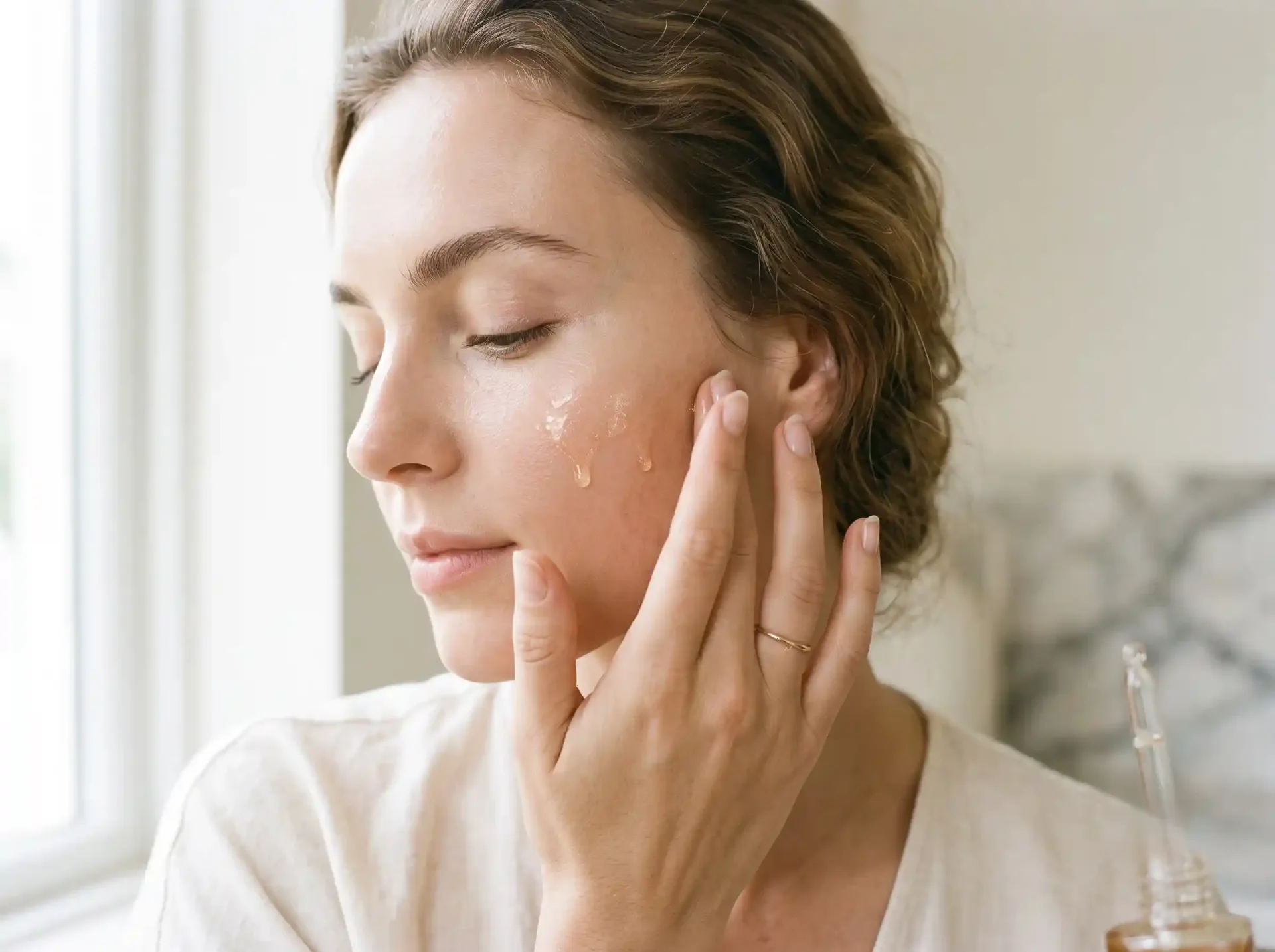
Consistent use delivers a surprisingly broad spectrum of aesthetic upgrades. The core niacinamide benefits for skinspan from locking in deep hydration to visually refining the look of enlarged pores. Plumper skin makes pores appear tighter. Readers constantly ask our beauty editors: is niacinamide good for acne? We need to be clear—it is not a medical cure. However, it may help balance the look of excess oil and visibly soothe blemish-prone skin, creating a far less hospitable environment for future congestion. Want a foolproof starting point? A hydrating, beginner-friendly formula like the Naturium Niacinamide Face Serum 12% Plus Zinc 2% delivers that coveted moisture while keeping potential redness firmly at bay.
Can you use niacinamide with bha?
Yes. Without hesitation. These two structurally compatible ingredients work beautifully in tandem. They target entirely different skin concerns without clashing or causing a chemical pile-up on your face.
Combining niacinamide and salicylic acid for Clearer-Looking Skin
Board-certified dermatologists across the US frequently pair niacinamide and salicylic acid for patients fighting stubborn texture. The logic makes perfect sense. Salicylic acid, an oil-soluble beta hydroxy acid, dives deep inside the pore to dissolve hardened sebum. Right after it clears the physical blockage, the B3 steps in. It visibly calms the freshly exfoliated area and soothes lingering redness. One clears the path; the other repairs the terrain.
How to layer bha and niacinamide Safely
Mastering how to layer bha and niacinamide dictates the exact results you see in the mirror. Rush the process, and you risk diluting your liquid exfoliants or causing your expensive serums to pill into annoying white flakes. Give each layer room to breathe. Applying hydrating serums to damp skin works wonders, but always apply chemical exfoliants to a bone-dry face. Water drives acids deeper and faster, practically guaranteeing accidental stinging.
BHA or Niacinamide first? The Correct Order
Follow the golden rule of skincare chemistry: work from thinnest to thickest, prioritizing pH-dependent acids. So, bha or niacinamide first? Start with your BHA liquid on freshly cleansed, dry skin. Wait two to three minutes. Let it absorb completely and do its job. Once your face feels dry to the touch, pat your hydrating serum over the top. People frequently wonder, can i use bha and niacinamide everyday? Highly resilient, oily complexions often handle daily use just fine. Beginners, however, need to practice restraint—start twice a week to gauge your tolerance. For a reliable, fiercely loved exfoliant to anchor this step, the Paula’s Choice Skin Perfecting 2% BHA Liquid Exfoliant dominates the market for visibly unclogging pores without stripping your face dry.
can you use niacinamide with retinol?
Professionals praise this exact combination for offering impressive, visible anti-aging support. It remains one of the safest, most effective strategies to introduce potent retinoids to a delicate complexion.
Using retinol and niacinamide together
Retinoids behave aggressively. They accelerate surface cell turnover to reveal fresh-looking skin, often leaving you feeling tight, dry, or visibly red. By strategically utilizing retinol and niacinamide together, you introduce a much-needed calming buffer. The B3 supports your natural barrier function, which heavily mitigates the uncomfortable flaking typically tied to strong vitamin A derivatives.
Niacinamide before or after retinol?
Technique makes or breaks this specific routine. Should you apply niacinamide before or after retinol? Apply your hydrating B3 serum first. Let it sink in completely to build a protective, soothing cushion. Follow up with your retinoid. We strictly advise against mixing retinol and niacinamide directly in your palm. DIY chemistry disrupts delicate formulations and causes patchy, uneven delivery. Instead, build a clear retinol and niacinamide routine by applying them in distinct, even layers. An encapsulated, slow-release formula like the CeraVe Resurfacing Retinol Serum layers flawlessly over a soothing base, making it incredibly beginner-friendly.
The Ultimate Safety Guide: can i use bha, retinol and niacinamide together?
Slapping three potent actives on your face in one night guarantees a compromised barrier. Over-exfoliation happens fast. Repairing that self-inflicted damage takes weeks of careful nursing and heavy creams.
How to layer active ingredients skincare Without Irritation
Understanding how to layer active ingredients skincare requires intense restraint. More is rarely better. Space out aggressive treatments rather than indiscriminately stacking them. BHA drops your skin’s pH. Retinol thrives in neutrality. Forcing them to compete simultaneously renders them less effective and highly irritating.
Building a Safe skin cycling routine
This spacing concept drives the massively popular skin cycling routine. It is a strategic, four-night schedule designed to maximize visible results while giving your skin mandatory recovery time.
- Night 1 (Exfoliation): Cleanse, apply your BHA to sweep away dead cells, and moisturize.
- Night 2 (Retinoid): Cleanse, apply your retinoid to visibly refine texture, and moisturize.
- Nights 3 & 4 (Recovery): Cleanse, apply your soothing vitamin B3 serum, and seal it all in with a heavy cream.
On recovery nights, slathering on a rich, barrier-repairing option like the La Roche-Posay Toleriane Double Repair Face Moisturizer locks in intense hydration while your skin rests. Furthermore, because you are actively using exfoliants and retinoids, daily UV protection is non-negotiable. Finish your morning routine with a trusted shield like the EltaMD UV Clear Face Sunscreen, SPF 46 to protect freshly revealed skin from sun damage.
Conclusion: Your Master Skincare Plan
Smart, intentional layering always beats a heavy-handed application. Spacing out your chemical exfoliants and retinoids gives your complexion the breathing room it needs to thrive. Knowing exactly what is niacinamide—a soothing, barrier-supporting ally rather than an aggressive active—unlocks a balanced, non-irritating, and highly effective regimen. Always patch-test new products on your jawline before committing to a full-face application. If persistent redness occurs, drop the stronger actives and consult a board-certified dermatologist for a personalized assessment.