Disclosure: This post may contain affiliate links. We may earn a small commission at no extra cost to you if you make a purchase through these links. Please read our full Disclaimer for more details.
Skincare trends come and go, but a few core ingredients remain permanent fixtures in a dermatologist’s arsenal. If you struggle with stubborn bumps, you’ve likely asked, what is salicylic acid and why do experts never stop talking about it? It isn’t just another buzzy chemical. It is a true workhorse active. Let’s break down exactly how this potent exfoliator visibly transforms a congested complexion. Clear the confusion, and clear your pores.
What is Salicylic Acid?
Let’s keep the chemistry incredibly simple. This ingredient is a Beta Hydroxy Acid (BHA) naturally derived from willow bark. In the vast, crowded realm of bha skincare, it reigns absolutely supreme. You might already be familiar with AHAs—like glycolic or lactic acid. Those are water-soluble. They strictly sweep away dead, dull cells on the skin’s very surface. BHAs play a different game entirely. They are oil-soluble. That one fundamental difference dictates exactly how they interact with your face.

How Does Salicylic Acid Work on the Skin?
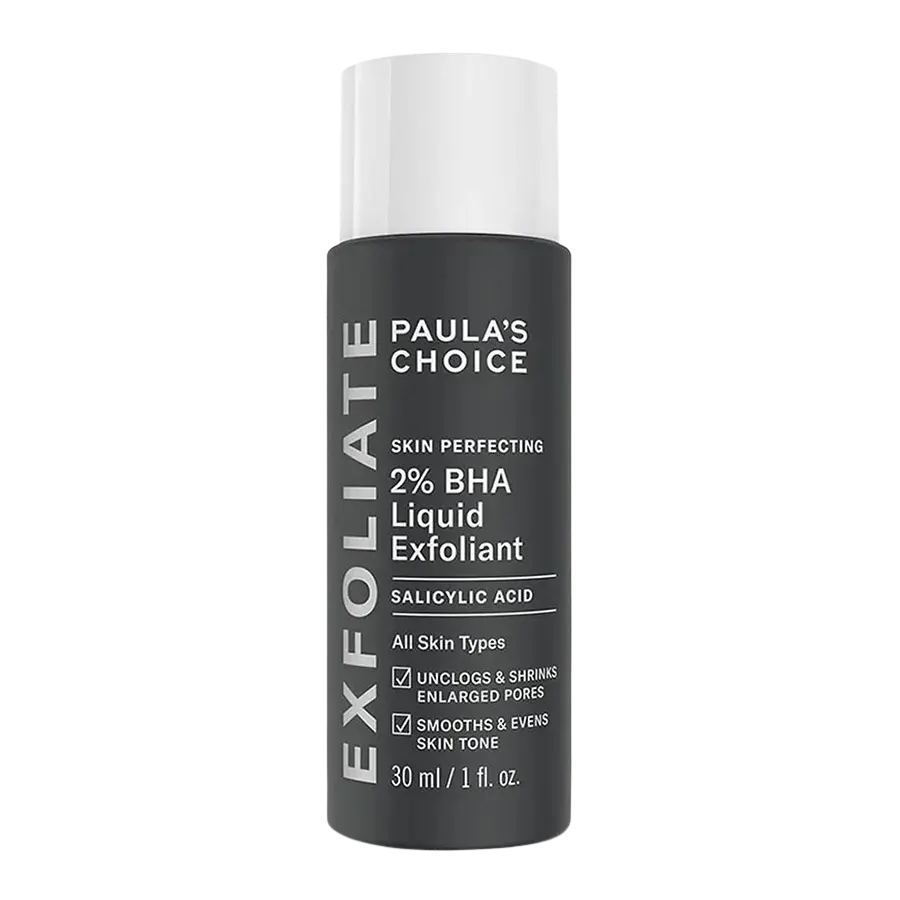
People constantly ask, how does salicylic acid work under the surface? The magic lies strictly in its lipophilic, or oil-loving, nature. To truly understand what is salicylic acid functionally, you have to realize it doesn’t just sit on top of your epidermis. It bypasses surface water and actively penetrates deep into the sebaceous glands. Once inside the pore lining, it initiates a desmolytic action. Basically, it gently dissolves the sticky, glue-like bonds holding dead skin cells and hardened sebum together. This keratolytic effect allows those trapped, stubborn cells to shed naturally rather than turning into a blemish. For a cult-favorite liquid option that utilizes this exact mechanism, sweeping a cotton pad soaked with Paula’s Choice Skin Perfecting 2% BHA Liquid Exfoliant over your T-zone can visibly reduce deep-rooted congestion.
Paula’s Choice Skin Perfecting 2% BHA Liquid Exfoliant
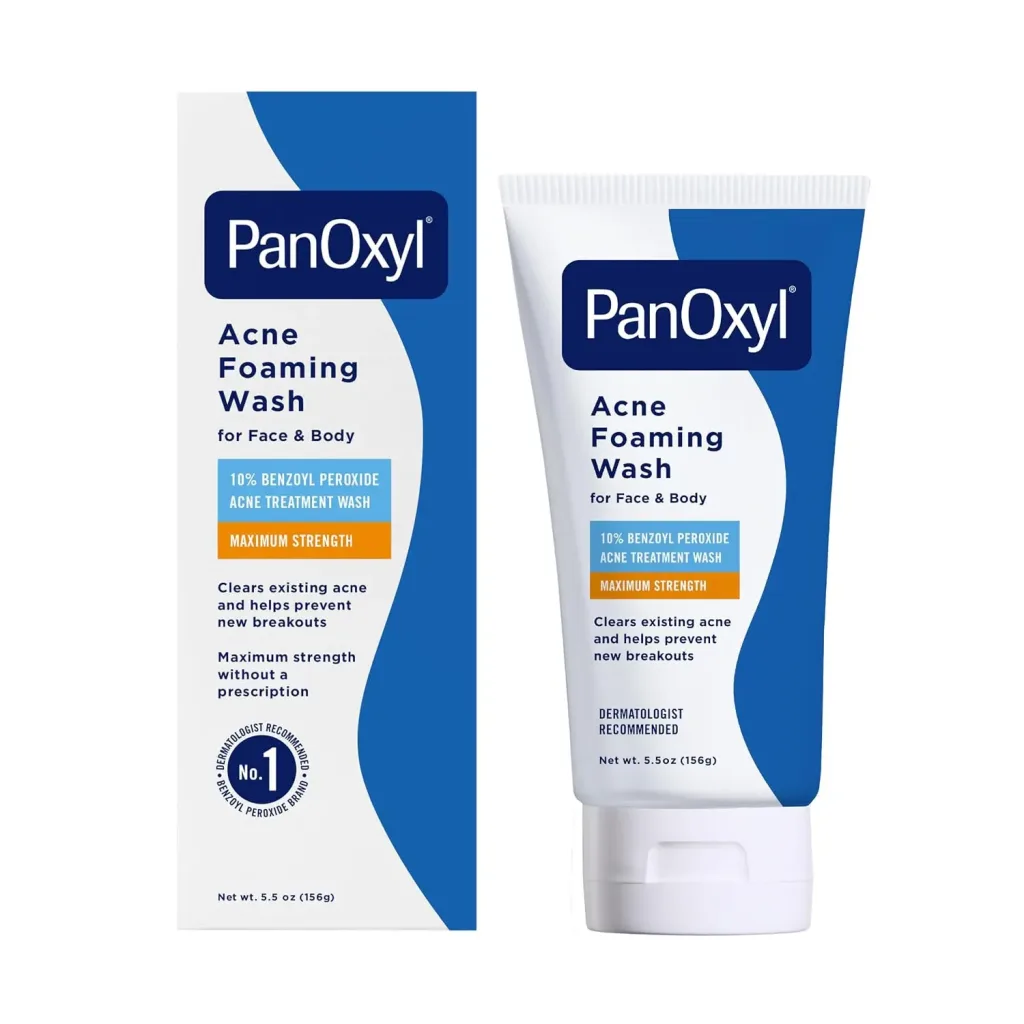
PanOxyl 10% Acne Foaming Wash
Top Benefits of Salicylic Acid for Your Skin
If you are wondering what does salicylic acid do for your face, the visible results speak for themselves. Let’s explore the standout salicylic acid benefits for skin.
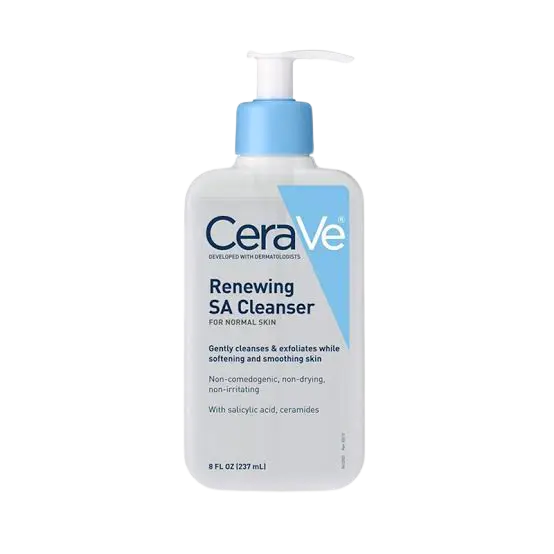
- Unclogs Pores & Prevents Breakouts: It helps keep pores completely clear of the microscopic cellular debris that forms blackheads. For daily maintenance, a gentle foaming wash like the CeraVe Renewing SA Cleanser sweeps away surface impurities without stripping your natural lipids.
- Reduces Excess Oil: It temporarily regulates surface sebum. It targets oil. Literally. This makes it ideal for highly slick, shiny skin types.
- Soothes Redness: Because it shares a chemical lineage with aspirin, it possesses mild anti-inflammatory properties formulated to support a calmer, less irritated complexion.
- Improves Skin Texture: It gently buffs away microscopic roughness. Skin simply feels softer to the touch.
>> Read more: Top Salicylic Acid Acne Products to try in 2022
Salicylic Acid vs. Benzoyl Peroxide: Which is Better?
When debating salicylic acid vs benzoyl peroxide, the right choice depends entirely on your specific blemishes. They tackle completely different issues.
| eature | Salicylic Acid | Benzoyl Peroxide |
|---|---|---|
| Best For | Blackheads, whiteheads, textural bumps | Inflammatory acne (red, angry pustules) |
| Primary Action | Gentle chemical exfoliation, unclogs pores | Kills acne-causing bacteria via oxidation |
| Skin Type Focus | Oily, combination, physically congested | Bacteria-driven, angry, cystic breakouts |
If you’re dealing with fiery, red pustules rather than basic blackheads, swapping to a targeted wash like the PanOxyl 10% Acne Foaming Wash may help address the bacterial component more effectively.
How to Add Salicylic Acid to Your Skincare Routine
Knowing how to use salicylic acid for acne correctly is just as important as the formula itself. In the US, OTC acne products typically range from 0.5% to 2.0% concentrations, strictly adhering to FDA guidelines. You will find it in foaming cleansers, watery toners, and concentrated spot treatments.
Follow these exact steps:
- Start slow. Apply your treatment just one or two nights a week initially. Build tolerance.
- Apply to clean, perfectly dry skin. Damp skin increases active penetration, which drastically spikes potential irritation.
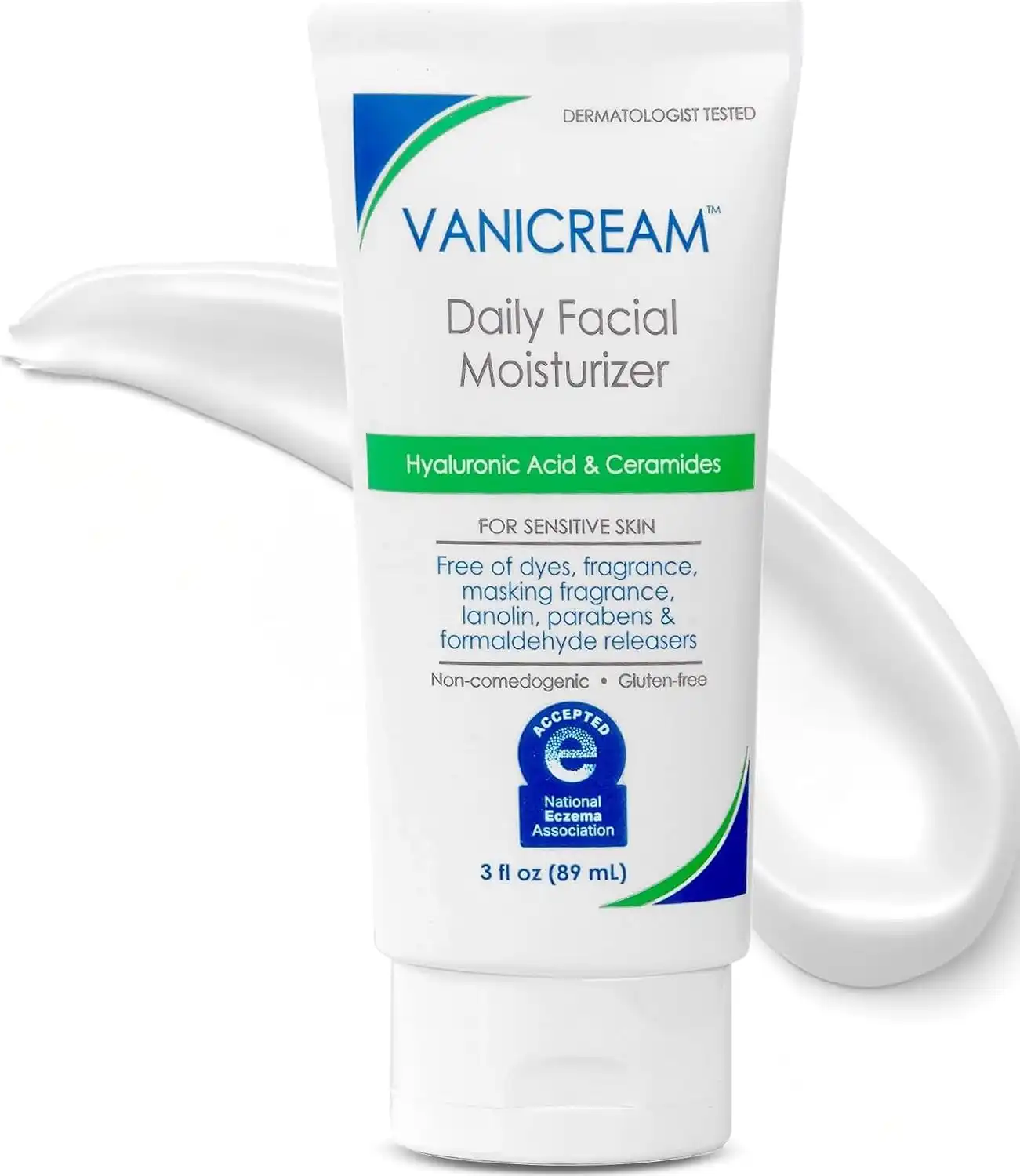
- Always sandwich your actives. Follow up with a simple, non-comedogenic hydrator like the Vanicream Daily Facial Moisturizer to help keep the skin barrier intact and calm.
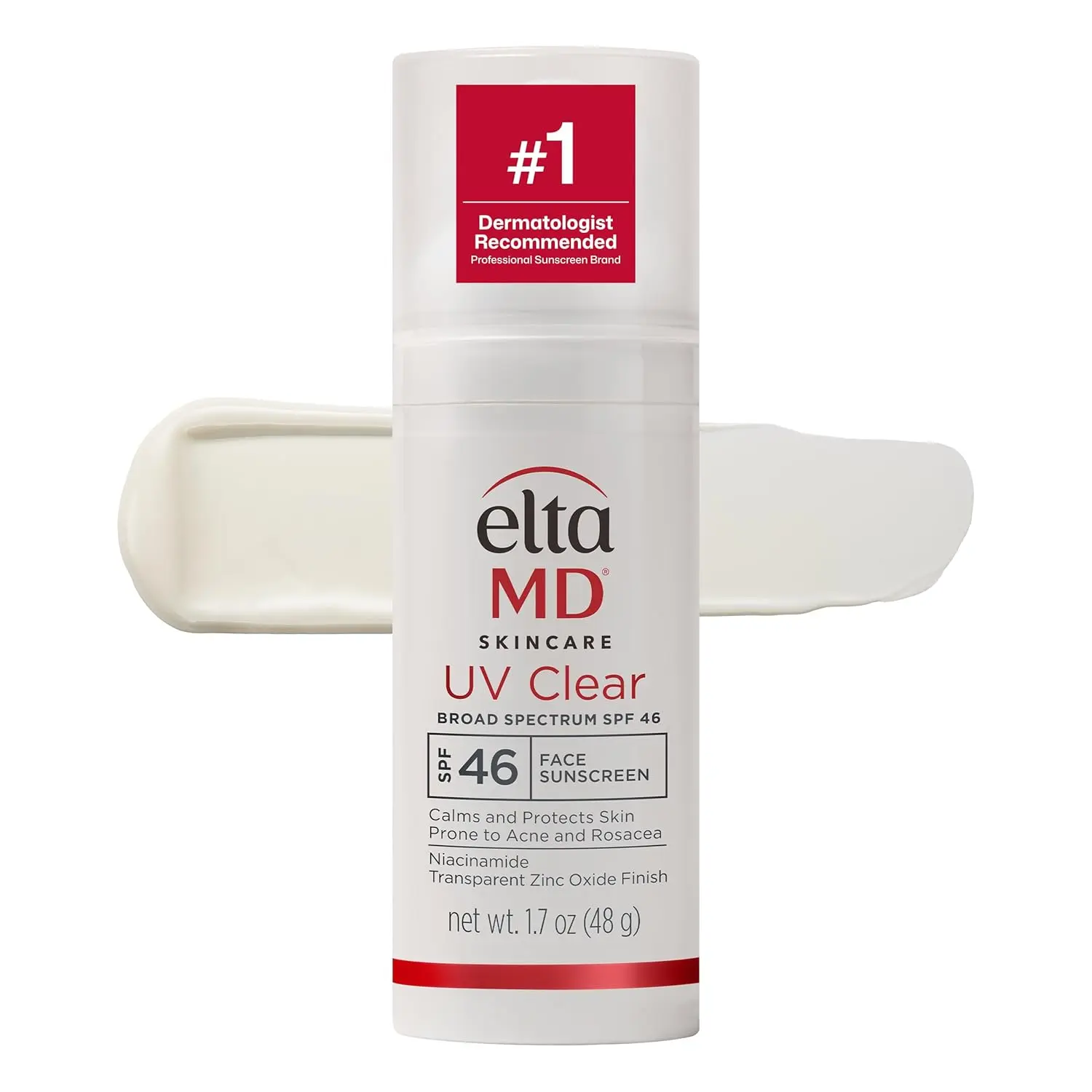
- Defend yourself. Chemical exfoliants increase sun sensitivity. A mineral-hybrid formula like the EltaMD UV Clear Broad-Spectrum SPF 46 is an absolute, non-negotiable essential every single morning.

What Not to Mix with Salicylic Acid
Keep your routine lean. Never layer this BHA directly with prescription retinoids, strong AHAs, or highly acidic Vitamin C serums in the exact same sitting. Mixing aggressive actives compromises the skin barrier. It leads to chemical burns and peeling, not clear skin. Alternate your nights instead.
Potential Side Effects & Who Should Avoid It
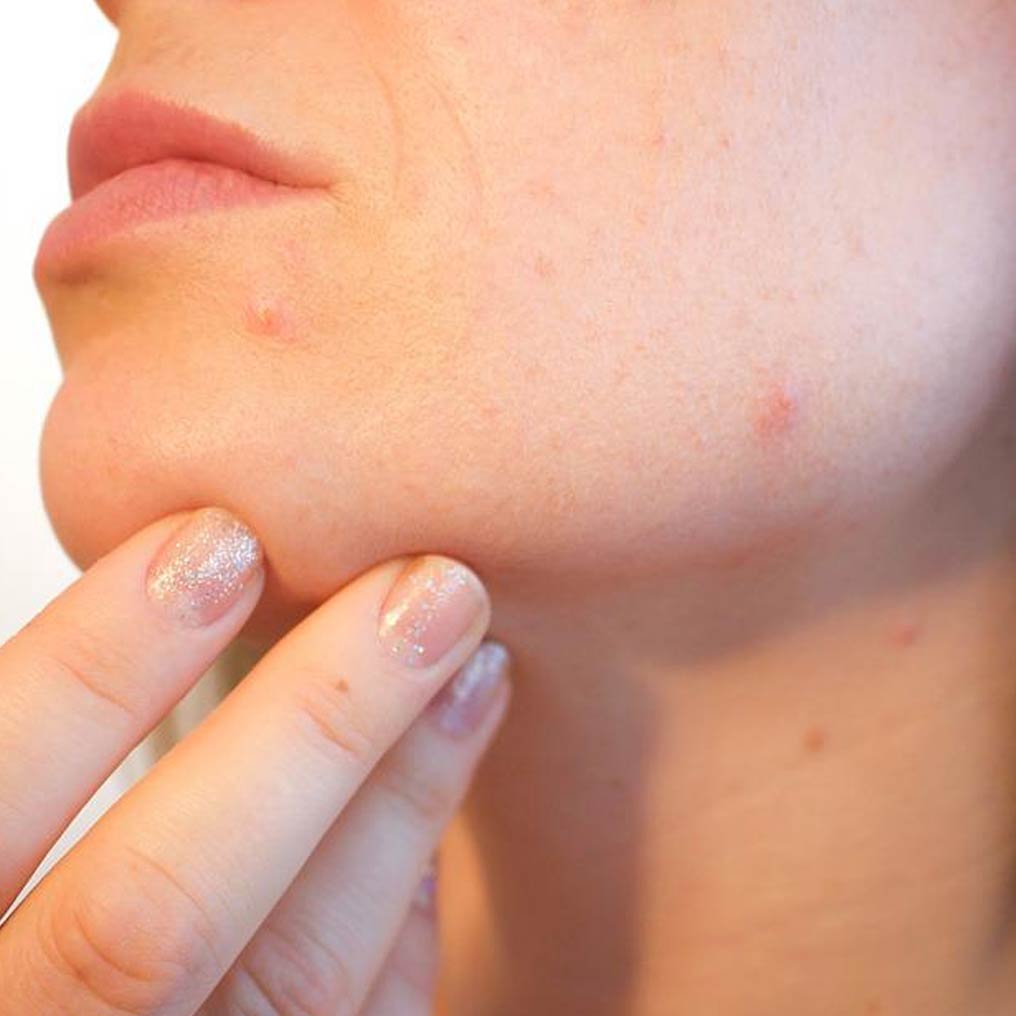
You should expect a few mild salicylic acid side effects when starting out. A slight tingle. A bit of tightness. Maybe some localized flaking around the nose. This is normal. However, pregnant or nursing women should always consult a doctor before application. People with severe aspirin allergies or highly compromised, eczema-prone skin should avoid it entirely.
Frequently Asked Questions (FAQs)
So, is salicylic acid good for acne? Absolutely, provided you manage your expectations.
Patients frequently ask, can you use salicylic acid everyday? That depends entirely on your skin’s natural resilience and the product format. A gentle 0.5% wash might be perfectly fine daily. A strong 2% leave-on liquid might not. Listen to your face.
Does it cause purging? Yes. Accelerated cell turnover pushes hidden micro-comedones to the surface quickly. A brief purging phase is incredibly common. Do not confuse this with a negative reaction.
How long does it take to work? Real, visible results require patience. Expect to wait four to six weeks for noticeable, lasting improvement.
Final Thoughts
Grasping exactly what is salicylic acid gives you a major advantage in the skincare aisle. It targets oil. It sheds dead cells. It refines bumpy texture. Remember to cautiously patch-test new formulas, introduce actives slowly, and consult a board-certified dermatologist if your breakouts absolutely refuse to budge.