Disclosure: This post may contain affiliate links. We may earn a small commission at no extra cost to you if you make a purchase through these links. Please read our full Disclaimer for more details.
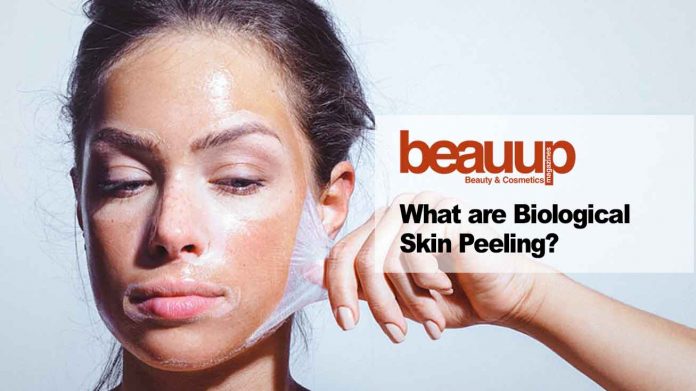
Biological skin peeling sounds incredibly clinical. You might know it by a much more common name: chemical peeling. Stripping away dead, dull cells to reveal a brighter complexion is a cornerstone of modern aesthetics. When executed safely, this technique can visibly change the texture of your skin, help clarify acne-prone areas, and support a more youthful-looking glow. Let’s break down exactly how biological skin peeling works. We will look at the science, the risks, and why so many people are ditching aggressive scrubs in favor of at-home chemical peels.
What Is Biological Skin Peeling?
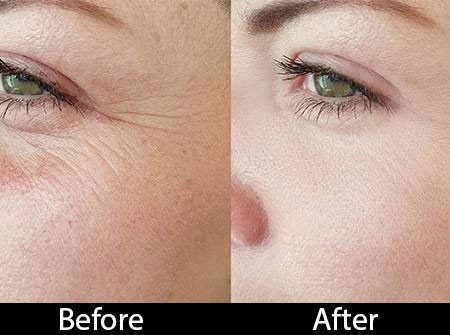
Biological skin peeling relies on organic acids—often derived from fruits or milk—and specialized chemical compounds to loosen the bonds holding dead skin cells together. Instead of physically scrubbing the face, these liquid exfoliants dissolve the cellular “glue.” This encourages your skin’s natural turnover process. Nutrients absorb deeper. Texture looks smoother. The appearance of dark spots often begins to visibly fade.
Dermatologists categorize these peels into three distinct depths: shallow (superficial), medium, and deep.
Superficial peels gently sweep away the top layer of the epidermis. You can often perform these safely in your own bathroom. Medium and deep peels, however, reach further down to target stubborn hyperpigmentation and more pronounced signs of aging. You should only ever let a licensed dermatologist or skilled aesthetician perform medium and deep peels.
Why Choose Chemical Exfoliation Over Physical Scrubs?
Physical exfoliants—think grainy scrubs or stiff brushes—can create micro-tears in the skin barrier. This leads to irritation, dehydration, and increased sensitivity.
Biological peeling takes a different approach. The acids work on a microscopic level. For those dealing with uneven texture, adding a pre-dosed pad like the Dr. Dennis Gross Alpha Beta Universal Daily Peel to your routine provides a controlled, precise dose of acids without the abrasive friction of a physical scrub. Over the course of a week, dead cells shed naturally. The result is a visibly more even skin tone and a smoother canvas for makeup.
Key Acids Used in At-Home Chemical Peels
1. Salicylic Acid (BHA)
Beta Hydroxy Acid (BHA) is an oil-soluble hero. Because it cuts through sebum, it can travel straight into the pore to clear out the debris often associated with breakouts. If you struggle with persistent blackheads or excess oil, sweeping a targeted liquid like the Paula’s Choice Skin Perfecting 2% BHA Liquid Exfoliant over your T-zone can dramatically improve the look of enlarged pores and help clarify acne-prone skin.
2. Alpha Hydroxy Acids (AHA)
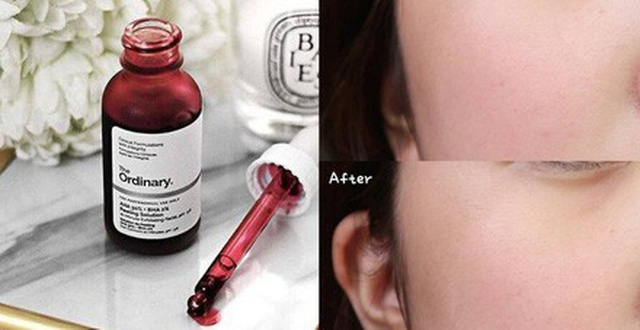
AHAs are water-soluble organic acids. Glycolic acid (derived from sugarcane) and Lactic acid (derived from milk) are the heavy hitters here. They excel at polishing the surface of the skin. If you want a more intensive, spa-like treatment to brighten dullness, applying a potent blend like The Ordinary AHA 30% + BHA 2% Peeling Solution once a week can visibly refine your skin’s surface and promote a radiant, even-toned complexion.
3. Trichloroacetic Acid (TCA)
TCA is generally reserved for clinical settings. Professionals use it in medium-to-deep peels to address severe sun damage and deeper visible wrinkles. Do not attempt high-concentration TCA peels at home. The risk of scarring and permanent pigmentation changes is far too high.
Professional Treatments vs. At-Home Chemical Peels
Should you book a spa appointment or head to your bathroom sink? It depends entirely on your goals and your skin’s baseline health.
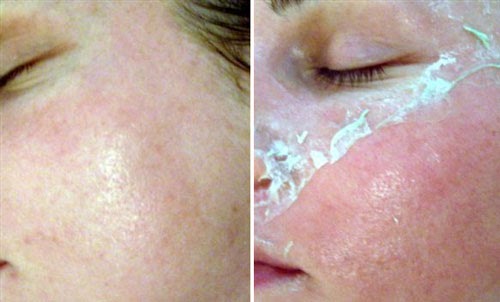
When to DIY: At-home chemical peels are fantastic for maintenance. If you have generally healthy skin and want to brighten dullness, manage occasional oiliness, or improve minor texture issues, superficial home peels are highly effective. Always patch-test new products and follow the manufacturer’s directions strictly.
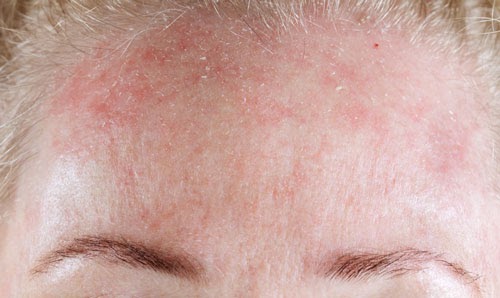
When to See a Pro: If you have incredibly thin, highly reactive skin, or an impaired skin barrier, step away from the acids. Congenitally thin skin or skin damaged by environmental factors needs barrier repair first. Similarly, if you want to tackle pitted scars, severe cystic acne, or deep hyperpigmentation, you need a dermatologist. They can safely administer medium peels while monitoring your skin’s vital response.
Mandatory Pre- and Post-Peel Care
The way you treat your face before and after a peel dictates your results. Ignore these steps, and you risk severe irritation.
Before You Peel:
- Stop Exfoliating: Halt all retinol, retinoids, and granular scrubs at least 48 hours before an at-home peel.
- Assess the Barrier: Never apply acids to compromised skin. If your face feels tight, stings when you sweat, or has active open abrasions, postpone the peel.
After You Peel: Post-peel skin is notoriously thirsty and highly vulnerable to environmental damage. Less is more during this recovery window.
- Gentle Cleansing: Skip the foaming, active cleansers. Wash your face with lukewarm water and a basic, non-stripping cleanser.
- Intense Moisture: Your skin barrier requires deep nourishment to recover properly. Smoothing on a ceramide-packed cream like the La Roche-Posay Toleriane Double Repair Face Moisturizer will instantly soothe tightness and help reinforce the skin’s protective lipid layer.
- Strict Sun Protection: This is non-negotiable. Freshly peeled skin is highly susceptible to UV damage, which can trigger rebound hyperpigmentation. Slathering on a high-quality, mineral-based shield like EltaMD UV Clear Face Sunscreen SPF 46 every single morning will protect your investment and keep your new skin safe from the sun.
Biological skin peeling offers a brilliant pathway to a smoother, brighter complexion. Treat the process with respect. Start low, go slow, and always prioritize the health of your skin barrier.
FAQs
1. Do chemical peels thin your skin?
Many people misunderstand biological skin changes and skin peeling. Biological skin change not only does not thin the skin but also stimulates a thick and healthy face. Using specialized pharmaceuticals with vitamin C and Enzymes will nourish your skin and make it visibly firmer. Peeling skin signals your skin to stimulate collagen production to make the skin smooth, not thin.
2. Can you wash your face after a chemical peel?
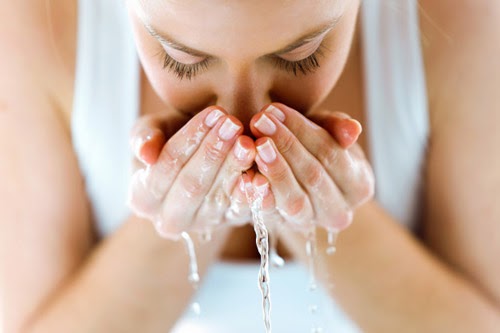
After a skin peel, you should not instantly use a cleanser. Instead, use pure water or physiological saline for the first three days, depending on the skin condition. If the skin is flaky, hard, and dry and hurts, do not use a cleanser. From day seven onwards, you can use it usually, but avoid a cleaner with seeds. Do not use makeup remover or alcohol-containing products; they will make the skin more dry and flaky.
3. How long should you wait between chemical peels?
A skin peel is divided into 3 levels: shallow, medium, and deep. The number of peels also varies depending on the skin type and treatment regimen.
If the peel is shallow on the surface, it only needs to be done once and becomes smooth and bright. In the case of a deep or medium peel, it is necessary to proceed according to the number of times given by the doctor. Usually, each procedure will be 7-10 days apart with acne skin.
4. What moisturizer or cosmetic products should I use after a chemical peel?
After replacement, your skin will be extremely sensitive and irritable with environmental effects, redness and a burning sensation. This is a sensitive time for the skin, so it needs your careful care carefully and should only use the following products:
- Brine physiological saline—The first time peeling skin occurs is 4-6 hours, when the skin is extremely sensitive and easily irritated. Only wash your face with antiseptic saline or purified water.
- Gentle cleanser—When the skin shows signs of recovery, use a cleanser. After 3 days, you can use the cleanser, but avoid nuts and should choose gentle products such as Cetaphil Gentle Skin, CeraVe Hydrating, Cosrx Low pH Good Morning, Paula’s Choice Skin Recovery, and La Roche Posay Toleriane Dermo.
Sunscreen: Avoid sun exposure when peeling skin. Apply sunscreen every 3 hours and drink sunscreen tablets; you need a good cover; your skin needs absolute protection. Use sunscreen (SPF 50) 30 minutes before going out; after 2-3 hours, reapply 1 time. Protect thoroughly even when indoors.
Mineral spray—Always carry mineral spray to provide moisture in time. Your skin will have dry phenomena, so always bring a mineral spray to help maintain moisture, making it easier to peel off and recover faster. If the skin is not acne-prone or dry, then apply vitamin C serum (note to consult a dermatologist before use; do not decide yourself).
Lotion—From day 7 onwards, you can take care of your skin as usual, using a serum or moisturizer containing Hyaluronic Acid, a super moisturizing active ingredient, or Glyamicine stem cells.
Drink water—Drink 2 litres daily to moisturize from the inside.
Say no to makeup. If you want to be beautiful, you have to take a little more time at first. Chemicals in cosmetics will affect and cause irritation to young skin.
The final words
Skin peeling is a safe beauty method widely used by women to treat skin diseases. However, the lack of clarity about the process and the arbitrary use at home or in unreliable facilities can cause serious harm, making treatment time-consuming. Hopefully, your sharing about the biological skin replacement method will help you better understand this beauty method and choose a reputable skincare product. Feel free to leave a comment below with your questions or suggestions.
Disclaimer: The information provided in this article is for educational purposes only and does not constitute medical advice. Always consult with a board-certified dermatologist before beginning any new intensive skincare regimen or if you have specific medical concerns regarding your skin.