
Disclosure: This post may contain affiliate links. We may earn a small commission at no extra cost to you if you make a purchase through these links. Please read our full Disclaimer for more details.
Medical Disclaimer: The information provided in this article is for educational purposes only and is not intended as medical advice. Always consult with a board-certified dermatologist before starting any new skincare regimen, especially if you have sensitive skin or existing skin conditions.
We all age. It is a biological inevitability, not a flaw. Yet, the way our skin visibly reflects that passage of time is largely in our hands. Building a truly effective anti aging skincare routine isn’t about chasing the illusion of eternal youth or piling on twelve different serums. It comes down to understanding the science of your skin, protecting its fragile barrier, and consistently using actives that actually work. Whether you are seeing your very first laugh line or you are looking to revamp your mature skin regimen, establishing a dermatologist recommended anti aging routine requires strategy. Let’s break down exactly what happens to our skin as the years pass, and how to build a regimen that visibly supports long-term skin health.
What Actually Causes Skin Aging? (Intrinsic vs. Extrinsic Factors)
Dermatologists generally divide skin aging into two camps: what your DNA dictates, and what your environment inflicts.

Intrinsic Aging (Chronological Aging)
This is the natural, genetically programmed aging process. As the years tick by, your body simply produces less of the structural proteins that keep everything firm. We experience a natural depletion of collagen and elastin. At the same time, your cellular turnover rate slows to a crawl. Dead cells hang around longer, leading to that characteristic dullness we often associate with older skin.
Extrinsic Aging (Premature Aging)
Here is where you actually have control. When we talk about premature skin aging causes, we are almost entirely talking about environmental assault.
- UV Radiation: According to the American Academy of Dermatology (AAD), sun exposure is the undisputed heavyweight champion of extrinsic aging. Unprotected exposure leads to photoaging—the breakdown of structural proteins that manifests as dark spots and laxity.
- Pollution and Oxidative Stress: Smog, smoke, and particulate matter generate free radicals. These unstable molecules aggressively attack healthy cells, weakening the skin barrier and accelerating collagen degradation.
- Lifestyle Factors: High-sugar diets trigger a process called glycation, which physically stiffens collagen fibers. Add chronic sleep deprivation and smoking into the mix, and your skin’s ability to repair itself plummets.

Top Science-Backed Anti-Aging Ingredients to Look For
Walk down any beauty aisle and you will drown in marketing buzzwords. If you want results, you only need to look for the best anti aging ingredients backed by clinical data.
Retinoids (The Gold Standard)
Nothing touches retinoids when it comes to visible skin transformation. They work by accelerating surface cell turnover, encouraging fresh, healthy skin cells to emerge. Over-the-counter retinol is fantastic for regular maintenance, while prescription-strength retinoids (like Tretinoin) offer heavier lifting for stubborn texture. If you are exploring anti aging skincare for sensitive skin / beginners, jumping straight into prescriptions will likely cause irritation. Instead, starting with an encapsulated formula like CeraVe Resurfacing Retinol Serum provides a gentle but highly effective introduction to the ingredient without destroying your moisture barrier. Warning: Retinoids increase sun sensitivity. Nighttime use only.

Vitamin C (L-Ascorbic Acid)
Think of Vitamin C as your daytime shield. It is a potent antioxidant that neutralizes the free radicals attempting to damage your cells. Regular use helps brighten dull tones and visually softens the appearance of dark spots.
Broad-Spectrum Sunscreen
Sunscreen is non-negotiable. Period. Without a broad-spectrum SPF, the rest of your expensive serums are practically useless. Look for formulas utilizing Zinc Oxide, Titanium Dioxide, or modern chemical UV filters to shield against both UVA (aging) and UVB (burning) rays. A deeply trusted option in the dermatology community is EltaMD UV Clear Facial Sunscreen, which protects the skin flawlessly while remaining entirely invisible on the face.
Chemical Exfoliants (AHAs & BHAs)
Alpha Hydroxy Acids (like Glycolic and Lactic acid) work on the skin’s surface to gently melt away dead cells, instantly improving texture. Beta Hydroxy Acids (like Salicylic acid) are oil-soluble, meaning they dive deep into pores to clear out congestion.
Hydrators & Skin-Barrier Supporters
Aging skin is notoriously dry skin. Ingredients like Hyaluronic Acid, Peptides, and Ceramides act like a drink of water for your face. They visibly plump the skin’s surface and lock in vital moisture.
The Best Anti-Aging Skincare Routine (Step-by-Step)
The trick to a functional routine is timing. You cannot throw all these active ingredients onto your face at once.
Morning Routine (Focus on Protection)
- Gentle Cleanser: You do not need a harsh scrub in the morning. A milky wash like La Roche-Posay Toleriane Hydrating Gentle Face Cleanser cleans without stripping your acid mantle.
- Antioxidant Serum: Apply a few drops of a stabilized formula, such as Paula’s Choice BOOST C15 Super Booster 15% Vitamin C, to dry skin to help intercept environmental damage throughout the day.
- Lightweight Moisturizer: Lock in the serum.
- Sunscreen: Apply a generous layer of SPF 30 or higher. Reapply every two hours if you are outdoors.
Evening Routine (Focus on Repair and Renewal)
- Double Cleansing: Use a cleansing balm followed by your gentle face wash to fully break down water-resistant SPF and daily grime.
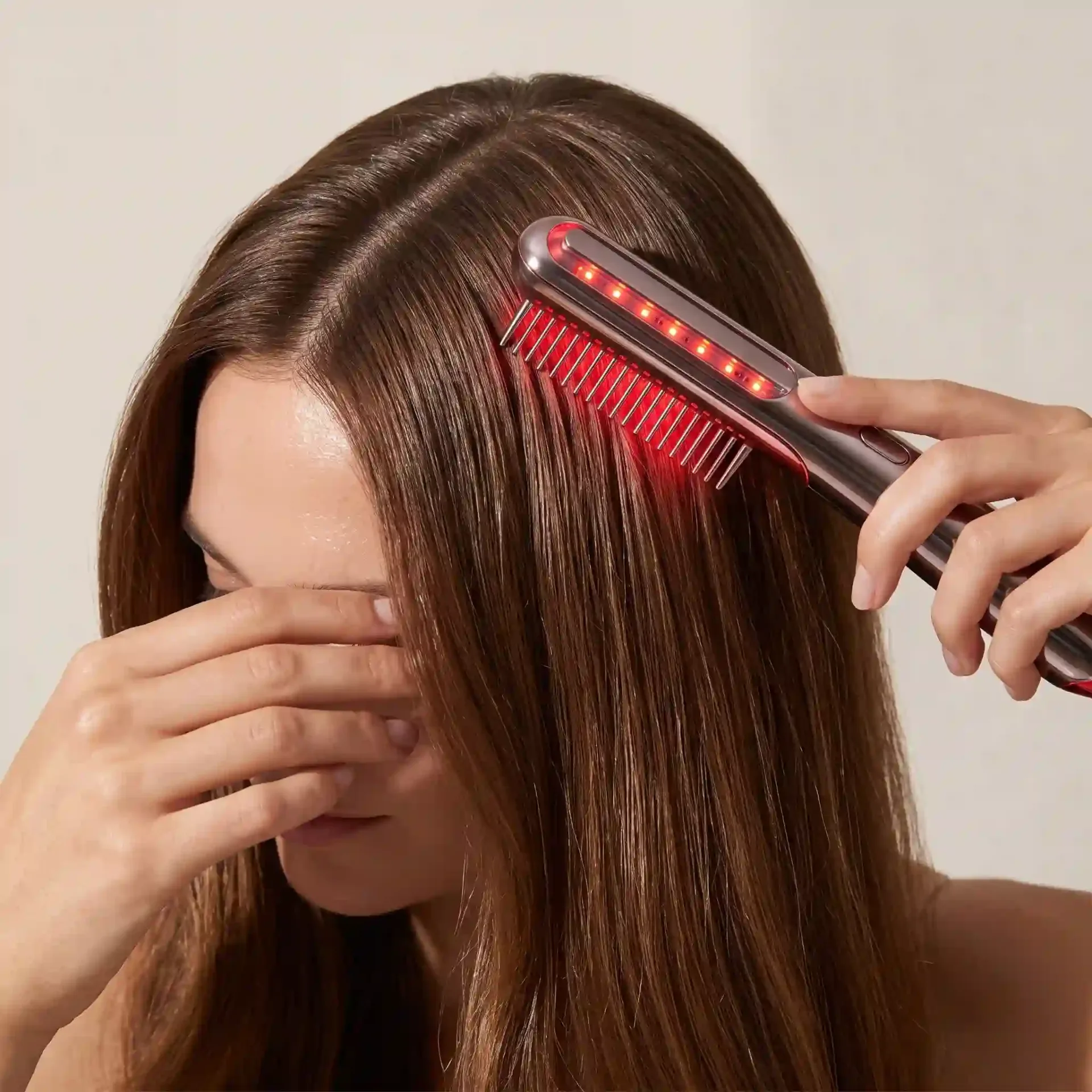
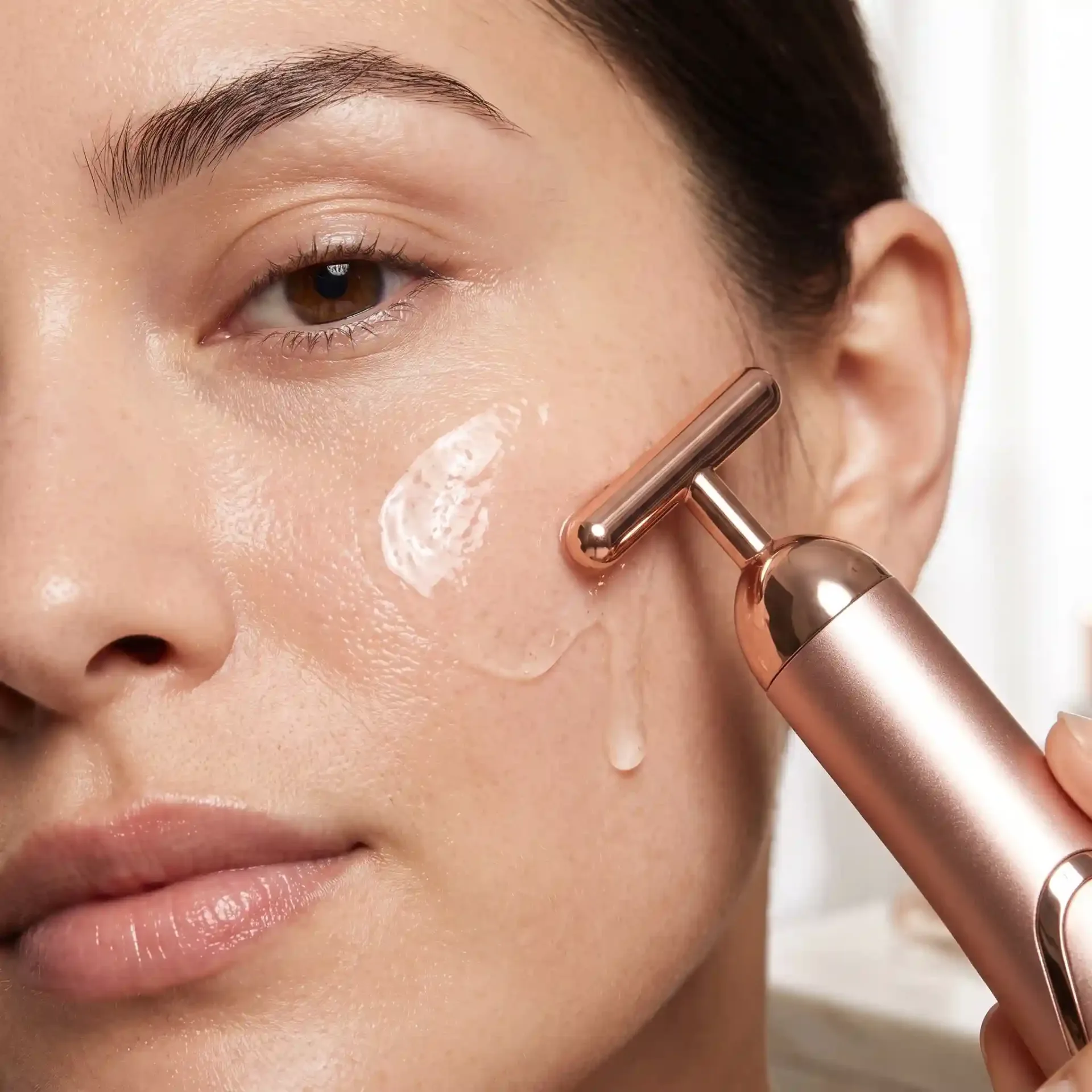
- Treatment/Targeted Serum: Apply your Retinol or AHA/BHA here. (Note: Never mix strong exfoliating acids with retinol on the same night. Cycle them). If you want to elevate this step, this is the perfect time to incorporate a beauty device. (Check out our guide to the best [internal link: at-home microcurrent devices] to pair with your evening serums).
- Eye Cream: Tap a specialized, gentle cream around the delicate orbital bone.
- Nourishing Night Cream: Seal it all in. You need something robust to prevent transepidermal water loss while you sleep. We often suggest Vanicream Daily Facial Moisturizer with Ceramides and Hyaluronic Acid because it intensely hydrates while remaining completely safe to use over potent retinoids.
Lifestyle Habits That Prevent Premature Skin Aging
Skincare stops at the epidermis. Figuring out how to prevent skin aging holistically requires looking at your daily habits.
An Anti-Inflammatory Diet
What you eat shows on your face. Try to limit advanced glycation end products (AGEs) found in highly processed sugars. Instead, load your plate with omega-3 fatty acids and antioxidant-rich greens to support cellular health from the inside out.
Prioritize Restorative Sleep
It is called “beauty sleep” for a very literal reason. While you sleep, cortisol levels drop and your body’s natural repair mechanisms kick into high gear. Chronic sleep deprivation stunts this healing window.
Stress Management
High stress means high cortisol. Sustained cortisol levels can trigger inflammation and accelerate aging at a cellular level. Find your baseline calm, whether that is through meditation, walking, or simply unplugging from screens an hour before bed.
When to See a Board-Certified Dermatologist
While a stellar at-home routine does heavy lifting, it has limits. Book an appointment with a board-certified dermatologist if:
- Your over-the-counter products aren’t delivering visible improvements after 3 to 6 months of consistent use.
- You experience severe, persistent redness, irritation, or signs of a compromised skin barrier.
- You are interested in exploring professional, in-office treatments. Procedures like neurotoxin injections, medical-grade chemical peels, or prescription-strength topical therapies offer results that OTC cosmetics simply cannot legally match.
Frequently Asked Questions (FAQs)
At what age should I start an anti-aging skincare routine? Prevention is dramatically easier than correction. Mid-20s is generally the ideal time to start incorporating mild preventative steps, primarily focusing on daily sun protection and antioxidants.
Can I reverse skin aging naturally? We need to manage expectations here. You cannot literally reverse time or completely erase fine lines and wrinkles naturally. However, through diligent sun protection, hydration, and cellular support, you can significantly improve the appearance of aging skin and slow future damage.
Is it safe to use Vitamin C and Retinol together? Using them at the exact same time is a recipe for severe irritation. The golden rule? Keep them separated. Apply your Vitamin C in the morning to fight free radicals, and save your Retinol for the evening when your skin is in repair mode.
Consistent habits build great skin. Protect it fiercely during the day, support its repair at night, and always listen to what your barrier is telling you.
Last Updated: August 2026